


Manage Diabetes and Weight Effectively with a Skilled Dietician and Nutritionist

Managing diabetes while maintaining a healthy weight can feel challenging, especially when daily food choices, blood sugar levels, and lifestyle habits all need careful attention. Working with a Dietician and Nutritionist in Dubai can make this process more manageable by providing personalized nutritional guidance based on your health needs, routine, and goals. With the right approach, balanced eating can become a practical part of everyday life rather than a restrictive task.
Understanding the Connection Between Diabetes and Weight
Diabetes and weight management are often closely connected. For people living with type 2 diabetes, excess body weight may make it more difficult for the body to use insulin effectively. Therefore, improving eating habits and gradually reaching a healthier weight can support better overall metabolic health.
However, weight management with diabetes is not simply about eating less. The quality, timing, and balance of meals can all influence blood glucose levels. A personalized nutrition plan considers carbohydrates, protein, healthy fats, fibre, portion sizes, and meal patterns while taking individual circumstances into account.
Why Personalized Nutrition Matters
Every person responds differently to food and lifestyle changes. A meal plan that works well for one individual may not be suitable for another, particularly when diabetes, medications, activity levels, or other health considerations are involved. This is why personalized nutritional support can be valuable.
A qualified nutrition professional can assess your current eating habits and identify areas that may be affecting blood sugar control or weight management. Instead of following generic diet trends, you can learn how to make realistic adjustments that fit your preferences and daily routine.
Dietician and Nutritionist support can also help you understand how to build balanced meals without completely giving up the foods you enjoy. This approach may make healthy eating easier to maintain over the long term.
Building a Diabetes-Friendly Eating Pattern
A diabetes-friendly diet does not have to be complicated. Rather than focusing on strict restrictions, the goal is often to create meals that provide steady nutrition and help support blood glucose management.
Some useful principles may include:
- Choosing high-fibre vegetables and whole-food carbohydrates
- Including lean sources of protein with meals
- Selecting healthier unsaturated fats in appropriate portions
- Limiting highly processed foods and added sugars
- Paying attention to portion sizes
- Eating meals at consistent times when appropriate
- Staying adequately hydrated throughout the day
Additionally, learning to read food labels can help you identify hidden sources of added sugar and understand carbohydrate content. Over time, these skills can make grocery shopping and meal planning more straightforward.
Supporting Healthy Weight Loss with Diabetes
If weight loss is part of your health goals, gradual and sustainable progress is generally more practical than extreme dieting. Very restrictive eating plans may be difficult to maintain and can make it harder to meet your nutritional needs.
A personalized plan can focus on creating a moderate energy deficit while still providing essential nutrients. Depending on your circumstances, this may involve adjusting portion sizes, improving food quality, increasing fibre intake, or changing meal composition.
Moreover, weight management is not determined by food alone. Physical activity, sleep quality, stress, and daily routines can also influence appetite and metabolic health. A nutrition professional can help you consider these lifestyle factors as part of a broader wellness strategy.
Managing Carbohydrates More Effectively
Carbohydrates have a significant impact on blood glucose, but they do not necessarily need to be eliminated from the diet. Instead, learning how different carbohydrate sources affect your body can help you make more informed choices.
Whole grains, legumes, vegetables, and other fibre-rich foods may be incorporated into a balanced eating pattern. At the same time, refined carbohydrates and sugary foods may need to be limited depending on individual needs.
Portion control is also important. Even nutritious carbohydrate sources can affect blood glucose when consumed in large amounts. Understanding appropriate portions and combining carbohydrates with protein, fibre, or healthy fats can help create more balanced meals.
Creating Practical Meal Plans for Everyday Life
One of the biggest challenges of diabetes and weight management is staying consistent when life becomes busy. Work schedules, family commitments, travel, and social occasions can all make healthy eating more difficult.
A practical meal plan should therefore be flexible rather than overly restrictive. It may include simple breakfast options, convenient lunches, balanced dinners, and healthier snack choices that fit your lifestyle.
Meal preparation can also make a difference. Preparing ingredients in advance, keeping nutritious foods available, and planning meals before busy days can reduce the temptation to rely on less balanced options. Small changes like these can gradually become part of your regular routine.
The Role of Lifestyle in Diabetes Management
Nutrition is an important part of diabetes care, but lifestyle habits also deserve attention. Regular physical activity can support overall fitness and may contribute to improved insulin sensitivity. However, exercise plans should be appropriate for your individual health situation.
Sleep and stress management are also relevant. Poor sleep and ongoing stress can influence appetite, energy levels, and daily food choices. Consequently, improving your overall routine may support your nutrition and weight management efforts.
For individuals taking diabetes medication or insulin, dietary changes should also be considered alongside medical guidance. Blood glucose patterns can change as eating habits and activity levels change, so coordination with your healthcare team is important.
Tracking Progress Beyond the Number on the Scale
Weight is only one measure of progress. Improvements in energy, food choices, physical activity, blood glucose patterns, and overall confidence can also indicate positive changes.
Keeping a food or lifestyle journal may help identify patterns between meals, hunger, energy, and blood glucose readings. If recommended by your healthcare professional, monitoring relevant health markers can provide additional information about how your approach is working.
Most importantly, progress does not always happen in a straight line. Setbacks are normal, and a sustainable approach allows room for adjustments without abandoning your goals.
When to Seek Professional Nutritional Guidance
Professional guidance can be especially useful if you are struggling to manage your blood sugar, finding it difficult to lose weight, or feeling confused by conflicting nutrition advice. It may also help if you have specific dietary preferences or additional nutritional needs.
A skilled dietician and nutritionist can help you develop practical strategies based on your individual circumstances. This may include meal planning, portion guidance, carbohydrate management, food education, and lifestyle recommendations.
Rather than following a one-size-fits-all diet, you can work toward habits that are realistic, flexible, and easier to maintain. Regular follow-ups may also help you identify challenges and adjust your approach as your needs change.
Conclusion
Managing diabetes and weight effectively requires consistency, patience, and the right nutritional strategy. With personalized guidance, you can learn how to make balanced food choices, manage portions, understand carbohydrates, and build healthier habits that fit your lifestyle. Professional support from Dynamic Clinic can help you take a structured approach to your nutrition goals while keeping your individual needs in focus. By combining informed dietary choices with appropriate lifestyle habits and ongoing healthcare guidance, you can work toward better long-term health and greater confidence in managing your daily nutrition.
Categories
- Artificial Intelligence (AI)
- Technology
- Business
- Education
- Science
- Lifestyle
- Healthcare
- Entertainment
- Politics
- Environment
- Travel
- Finance
- Automobile
- News
- Art
- Causes
- Crafts
- career
- Dance
- Drinks
- Film
- Fitness
- Food
- Games
- Gardening
- Health
- Home
- Literature
- Music
- Networking
- Other
- Party
- Religion
- Shopping
- Sports
- Theater
- Wellness
Read More
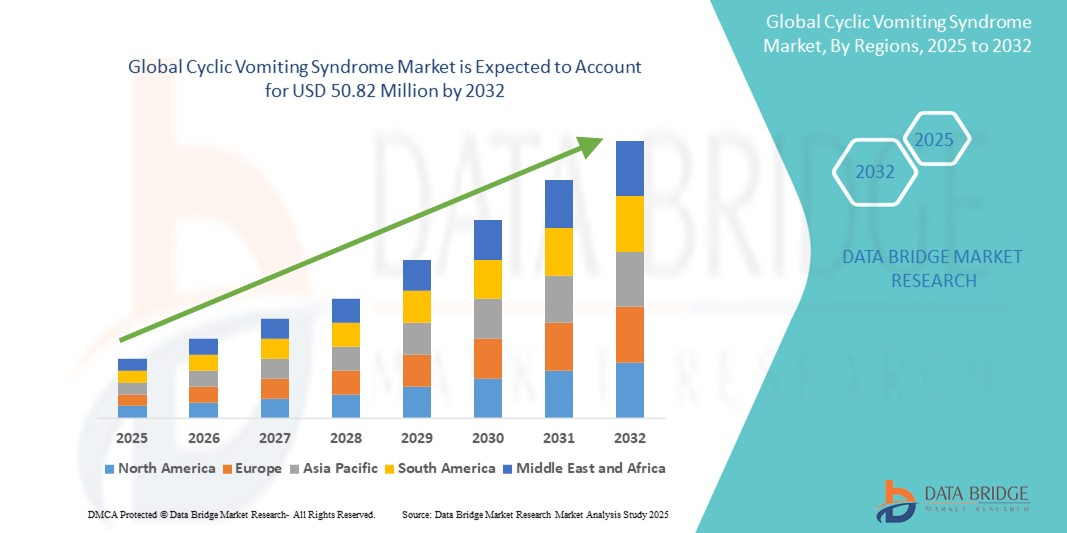
According to the latest report published by Data Bridge Market Research, the Cyclic Vomiting Syndrome Market The global cyclic vomiting syndrome market size was valued at USD 26.85 million in 2024 and is expected to reach USD 50.82 million by 2032, at a CAGR of 8.30% during the forecast period. The market research studies of Cyclic Vomiting Syndrome...
The Radioembolization Cancer Treatment Market is witnessing growing interest as healthcare providers increasingly adopt minimally invasive therapies for the treatment of liver cancer and metastatic liver tumors. Radioembolization, also known as Selective Internal Radiation Therapy (SIRT), delivers radioactive microspheres directly to tumors through the hepatic artery, enabling highly targeted...

A polished lobby can hide a clumsy first step. At a new online casino, the surprise is often the paperwork, not the games. If you’ve seen Casino Bigpirate mentioned in account-setup chatter, the pattern will sound familiar, sign up, verify, then wait for approval before you can cash out. Most players expect quick deposits and instant play. The snag usually shows up when identity checks...

The Solid Tumor Therapeutics Market is witnessing steady growth as the global burden of cancer continues to increase and pharmaceutical companies advance innovative treatment approaches. According to WiseGuyReports, the market was valued at USD 58.2 billion in 2025 and is projected to reach USD 85 billion by 2035, expanding at a CAGR of 3.9% during the forecast period. The market includes...
The global knee replacement market is poised for dramatic expansion, with a projected market size reaching approximately USD 33.23 billion by 2035. This rapid growth trajectory, denoted by a compound annual growth rate (CAGR) of 4.69%, highlights a significant shift in healthcare practices and patient demographics. Currently valued at USD 10.98 billion in 2024, the market is anticipated to grow...
