


The New Language of Interaction: The Global Gesture Recognition Industry Explained
A Paradigm Shift in Human-Computer Interaction
In a world increasingly saturated with digital devices, the way we interact with technology is undergoing a fundamental and profound revolution. The global Gesture Recognition industry is at the vanguard of this change, pioneering the technologies that allow machines to understand and respond to human movements. This dynamic sector is dedicated to developing the hardware and software that can interpret physical gestures—from a simple hand wave to the complex articulation of fingers—as commands, thereby moving us beyond the traditional limitations of keyboards, mice, and touchscreens. The core promise of this industry is to create a more natural, intuitive, and seamless form of human-computer interaction (HCI). It is an industry built on the idea that technology should adapt to us, not the other way around. By enabling us to control devices with simple movements, the gesture recognition industry is not just creating novel user interfaces; it is laying the groundwork for more immersive, accessible, and safer interactions across a vast spectrum of applications, from consumer electronics and automotive to healthcare and industrial automation.
The Core Technologies Powering the Revolution
The gesture recognition industry is underpinned by a diverse array of sophisticated technologies, each with its own strengths and applications. The most common approach is camera-based recognition, which can be divided into 2D and 3D systems. 2D systems use a standard camera to track movement on a flat plane, suitable for simple gestures like swiping. 3D systems, using technologies like stereo vision, structured light, or Time-of-Flight (ToF) sensors, can perceive depth and track hand and body movements in three-dimensional space, enabling much more complex interactions. Another major category is sensor-based recognition, which utilizes data from inertial sensors like accelerometers and gyroscopes, commonly found in wearables like smartwatches or controllers for gaming consoles, to detect motion and orientation. Other emerging technologies include infrared (IR) and ultrasonic sensors that can detect the presence and movement of a hand by emitting and receiving signals. Regardless of the input method, the process typically involves four stages: capturing the raw sensor data, processing and filtering this data to isolate the gesture, applying sophisticated algorithms (often powered by AI and machine learning) to classify the gesture, and finally, translating that classification into a specific command for the device.
The Diverse Ecosystem of Innovators and Enablers
The competitive landscape of the gesture recognition industry is a vibrant and collaborative ecosystem, not dominated by a single entity but comprised of a wide range of companies specializing in different parts of the value chain. At the foundational level are the semiconductor and sensor manufacturers, such as Intel (with its RealSense technology), Infineon Technologies, and STMicroelectronics, who design and produce the critical camera sensors, radar chips, and microcontrollers that serve as the "eyes and ears" of the system. In the middle layer are the software, algorithm, and platform developers. This includes major technology giants like Microsoft (building on its Kinect legacy), Google, and Apple, who develop the complex computer vision and machine learning algorithms that interpret the sensor data. These companies often provide Software Development Kits (SDKs) that allow other developers to integrate gesture control into their own applications. Finally, at the application level are the Original Equipment Manufacturers (OEMs) in various industries, such as automotive companies (BMW, Mercedes-Benz), consumer electronics giants (Samsung, LG), and gaming companies (Nintendo, Sony), who integrate these gesture recognition systems into their end products to create innovative user experiences. This layered ecosystem fosters rapid innovation and widespread adoption.
The Strategic Importance of a More Human-Centric Future
The growing importance of the gesture recognition industry lies in its potential to fundamentally redefine our relationship with the digital world, making it more intuitive, accessible, and integrated into our physical environment. Its strategic value is multifaceted. Firstly, it is a key enabler for the next generation of computing platforms, particularly Augmented Reality (AR) and Virtual Reality (VR). In these immersive environments, traditional input devices are impractical, and the ability to interact with virtual objects using natural hand gestures is essential for a convincing and user-friendly experience. Secondly, it is a critical technology for enhancing safety and convenience, especially in the automotive sector, where gesture controls allow drivers to manage infotainment and navigation systems without taking their eyes off the road or fumbling with touchscreens. Thirdly, the push for touchless interfaces, greatly accelerated by public health concerns, has made gesture recognition a vital technology for public-use devices like ticketing kiosks, ATMs, and elevators. Ultimately, the industry's strategic importance is its role in creating a more human-centric technological future—a future where our devices understand us through our natural language of movement, leading to safer, more efficient, and more magical interactions.
Top Trending Reports:
Categories
- Artificial Intelligence (AI)
- Technology
- Business
- Education
- Science
- Lifestyle
- Healthcare
- Entertainment
- Politics
- Environment
- Travel
- Finance
- Automobile
- News
- Art
- Causes
- Crafts
- career
- Dance
- Drinks
- Film
- Fitness
- Food
- Games
- Gardening
- Health
- Home
- Literature
- Music
- Networking
- Other
- Party
- Religion
- Shopping
- Sports
- Theater
- Wellness
Read More
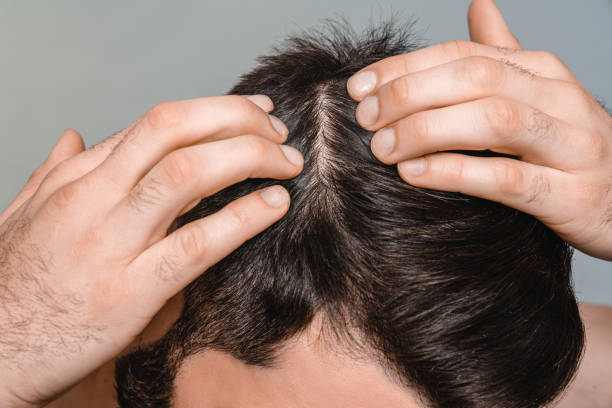
Hair loss is influenced by many factors, including genetics, aging, hormonal changes, stress, and the condition of individual hair follicles. Modern hair restoration increasingly focuses on treatments that support the body's natural regenerative processes. prp hair treatment in riyadh is one such approach, using platelet-rich plasma obtained from the patient's own blood to support...
The Neuromarketing Technology Market size is expanding steadily as organizations increasingly prioritize data-driven consumer intelligence and behavioral analytics to refine marketing strategies. Neuromarketing Technology Market Size was estimated at 25.91 USD Billion in 2024. The Neuromarketing Technology industry is projected to grow from 27.26 USD Billion in 2025 to 45.3 USD Billion by...

According to the latest report published by Data Bridge Market Research, the North America Internet of Things (IoT) Healthcare Market The north america internet of things (IoT) healthcare market size was valued at USD 12.50 billion in 2024 and is expected to reach USD 45.80 billion by 2032, at a CAGR of 17.6% during the forecast period The...
Introduction to Modern Aesthetic Transformation Cosmetic Surgery in Riyadh has become one of the most sought-after solutions for individuals looking to enhance their appearance and improve self-confidence. With advancements in medical aesthetics and refined surgical techniques, patients today have access to highly personalized treatments that focus on natural-looking results. The growing...

The design of modern passenger vehicles is undergoing an unprecedented structural evolution. Historically, vehicles relied on decentralized architectures where dozens of isolated Electronic Control Units (ECUs) were linked via legacy protocols like CAN, LIN, and FlexRay. However, the rise of software-defined vehicles, high-resolution camera arrays, and real-time sensor processing has pushed...
