


The Digital Derrick: Engineering the Future of the Oil Gas Upstream Equipment Industry
In the current landscape of 2026, the energy sector is no longer just a battle of brawn and heavy machinery; it is a sophisticated symphony of data, robotics, and advanced material science. The Oil Gas Upstream Equipment Industry is currently undergoing its most significant transformation in a generation. As easy-to-access reserves dwindle, the quest for hydrocarbons has moved into increasingly hostile environments—ultra-deepwater basins, high-pressure reservoirs, and remote arctic frontiers. To survive and thrive in these territories, the equipment that defines the "upstream" phase—the search for and extraction of crude oil and natural gas—has had to become smarter, more resilient, and more autonomous. This industrial evolution is not merely a response to geological challenges but a fundamental shift toward operational excellence in a world that demands energy be produced more safely and with a significantly lower carbon footprint.
The Rise of Autonomous Drilling and Robotics
The drilling floor of 2026 would be nearly unrecognizable to an engineer from a decade ago. We have entered the era of the autonomous rig. Modern drilling systems are now equipped with robotic pipe-handling arms and automated "iron roughnecks" that perform the heavy lifting and high-risk connections without human intervention. This shift has drastically improved safety, moving personnel away from the "red zones" where the most dangerous tasks occur.
These rigs are powered by sophisticated algorithms that analyze subsurface data in real-time, adjusting the weight on the drill bit and the rotation speed to optimize penetration while preventing equipment fatigue. In offshore environments, the industry is increasingly deploying autonomous underwater vehicles (AUVs) and robotic crawlers to inspect subsea wellheads and pipelines at depths that would be fatal to human divers. These machines can identify microscopic cracks or signs of corrosion long before they become catastrophic failures, ensuring the integrity of the marine ecosystem.
The Digital Twin: Virtualizing the Oilfield
Perhaps the most impactful technological advancement in the current market is the widespread adoption of the "Digital Twin." A digital twin is a high-fidelity, virtual replica of a physical asset—be it a single mud pump or an entire offshore production platform. By integrating sensors across every component, operators can stream real-time data into these virtual models.
In 2026, these digital twins allow engineers located in remote operation centers thousands of miles away to run "what-if" simulations. They can test how a wellhead will respond to a sudden pressure spike or how a compressor will perform under extreme heat without ever touching the physical hardware. This capability has turned maintenance into a science of prediction rather than a cycle of reaction. By identifying the specific vibration patterns that precede a bearing failure, companies can schedule repairs during natural production breaks, virtually eliminating unplanned downtime.
Subsea Processing and the "Factory on the Seafloor"
As the industry pushes into ultra-deepwater, the cost and complexity of building massive surface platforms have become prohibitive. The solution has been to move the equipment to the seafloor. The concept of the "Subsea Factory" has become a reality in 2026. These installations include subsea separators, pumps, and gas compressors that process the hydrocarbons directly at the wellhead before sending them to shore.
By removing the water and sand from the oil at the bottom of the ocean, operators reduce the energy required to lift the fluids thousands of feet to the surface. This not only increases the recovery rate from the reservoir but also significantly reduces the power consumption of the entire operation. These seafloor factories require cables and connectors designed with exotic alloys and advanced polymers capable of withstanding the crushing pressures of the abyss for thirty years or more, representing the pinnacle of modern mechanical engineering.
Sustainability and the Green Upstream Initiative
Decarbonization is no longer a peripheral goal; it is a core business strategy in 2026. The upstream equipment industry is leading this charge through the electrification of the oilfield. Many modern rigs have transitioned from diesel-powered engines to electric drive systems, often fed by dedicated microgrids that incorporate solar, wind, or even small modular nuclear reactors.
Furthermore, the industry has perfected "Closed-Loop" drilling systems that recycle almost 100% of the drilling fluids and water used in the process, drastically reducing the environmental footprint of onshore operations. Advanced vapor recovery units (VRUs) are now standard on most new wellheads, capturing methane that would otherwise be flared and turning it into a sellable product. This focus on "Zero-Flare" production is ensuring that the upstream sector remains viable in a global economy that is increasingly sensitive to greenhouse gas emissions.
Conclusion: A High-Tech Foundation for Energy Security
The oil gas upstream equipment industry is the silent engine of global energy security. It is a sector that masterfully balances the raw, physical power needed to pierce the earth with the delicate, digital precision required to manage a global supply chain. As we look toward the 2030s, the equipment on our rigs and on our seafloors will continue to grow in intelligence, becoming more autonomous and more environmentally efficient. By embracing the "Digital Derrick," the industry is proving that it can meet the world's energy needs while setting new standards for safety, technology, and sustainability.
Frequently Asked Questions
What exactly is "Upstream" in the oil and gas industry? The industry is divided into three segments: Upstream, Midstream, and Downstream. "Upstream" refers to the Exploration and Production (E&P) stage. This involves searching for underground or underwater crude oil and natural gas fields, drilling exploratory wells, and subsequently drilling and operating the wells that recover and bring the raw hydrocarbons to the surface.
How does "Predictive Maintenance" work in a modern oilfield? Predictive maintenance uses IoT sensors to monitor the "health" of machinery in real-time. By analyzing data such as heat, vibration, and acoustic noise, AI models can identify the specific "signatures" that occur right before a part fails. Instead of replacing a part based on a calendar schedule (preventative) or after it breaks (reactive), operators replace it exactly when it is needed, saving millions in repair costs and lost production time.
What is the "Subsea Factory" concept? A subsea factory is a collection of processing equipment located on the ocean floor rather than on a surface platform. This equipment can separate oil, water, and gas right at the wellhead. This is more efficient because it allows for faster extraction and reduces the energy needed to pump fluids to the surface. It also allows companies to produce oil from deepwater fields that would be too expensive or dangerous to reach with traditional surface-based technology.
More Trending Reports on Energy & Power by Market Research Future
Surge Protection Devices Market Outlook
Circulating Fluid Bed Boilers Market Outlook
Categories
- Artificial Intelligence (AI)
- Technology
- Business
- Education
- Science
- Lifestyle
- Healthcare
- Entertainment
- Politics
- Environment
- Travel
- Finance
- Automobile
- News
- Art
- Causes
- Crafts
- career
- Dance
- Drinks
- Film
- Fitness
- Food
- Games
- Gardening
- Health
- Home
- Literature
- Music
- Networking
- Other
- Party
- Religion
- Shopping
- Sports
- Theater
- Wellness
Read More
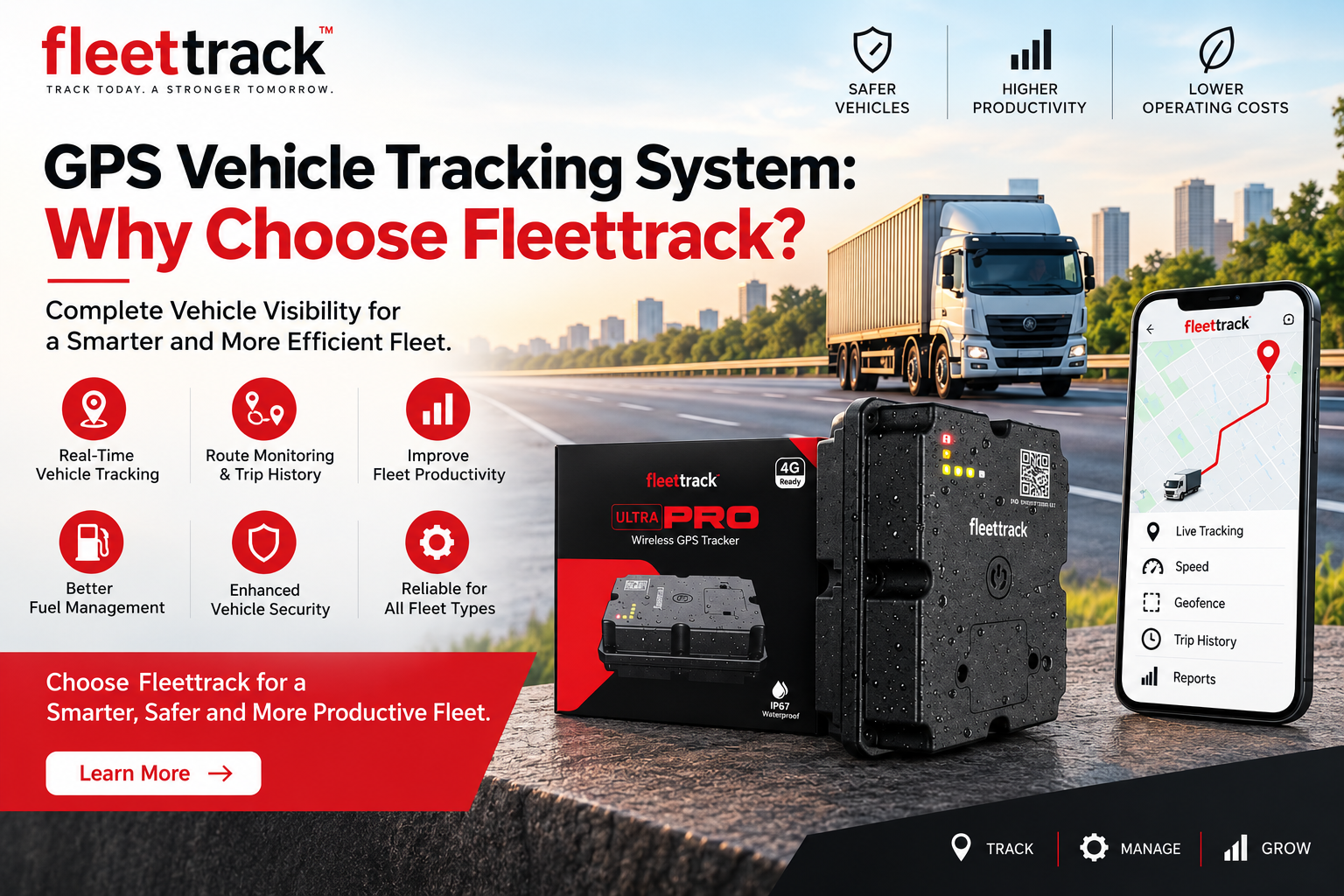
Managing vehicles efficiently requires more than knowing where a vehicle is on a map. Businesses need accurate location information, route visibility, driver insights, operational control, and actionable data that can help them manage every journey more effectively. At Fleettrack, we provide a comprehensive GPS Vehicle Tracking System designed to give businesses greater visibility into their...
India Road Freight Transport Market Summary As per MRFR analysis, the India Road Freight Transport Market Size was projected to reach USD 229.92 Billion by 2035, growing at a CAGR of 3.5% from 2025 to 2035. This growth will provide significant opportunities for the market during the forecast period, driven by increasing demand,...

Healthy, radiant skin has become a major beauty goal for people across Pakistan. As awareness about skincare continues to grow, more individuals are searching for treatments that deliver visible results without discomfort or lengthy recovery periods. Among the many options available today, Hydrafacial in Islamabad has emerged as one of the most talked-about skincare treatments. Its ability to...

The global market for advanced computational and analytical systems is experiencing a period of unprecedented expansion, driven by an insatiable demand for more processing power and deeper data insights. The remarkable High Performance Computing And High Performance Data Analytics Market Growth is not fueled by a single factor, but by a powerful confluence of technological revolutions...
Following SUNWIN at Audiomack is a simple way for people interested in the brand to discover new audio content, updates, and entertainment-focused material in one convenient place. As online platforms continue to connect brands with wider audiences, Audiomack offers an additional space where SUNWIN-related content can be shared and discovered. SUNWIN is presented as an online entertainment and...

