


Industrial Laundry Market Trends – Technological Advancements and Innovations
The industrial laundry market is witnessing significant transformation as technological advancements, automation, and innovative solutions reshape operations across hospitality, healthcare, manufacturing, and commercial sectors. Industrial laundry facilities handle large volumes of textiles including linens, uniforms, garments, and specialty fabrics. The demand for faster processing, energy efficiency, consistent hygiene standards, and sustainability has driven investment in advanced machinery, digital management systems, and eco-friendly practices. Understanding current market trends is essential for operators, investors, and service providers looking to optimize efficiency, reduce costs, and enhance service quality.
Overview of the Industrial Laundry Market
Industrial laundry facilities differ from domestic or commercial laundries by scale, equipment, and process complexity. These facilities process thousands of kilograms of textiles daily and require specialized machinery such as high-capacity washers, dryers, ironers, folding machines, and finishing equipment. The market serves various sectors including hotels, hospitals, food processing, manufacturing units, and uniforms for transportation or public services. Market growth is influenced by increasing outsourcing of laundry services, rising hygiene standards, regulatory requirements, and the need for operational efficiency.
Technological Advancements Driving the Market
Automation and Robotics
Automation is one of the most significant trends in the industrial laundry market. Robotic systems for loading, sorting, folding, and stacking textiles reduce manual labor, increase throughput, and ensure uniform quality. Automated sorting systems, equipped with barcodes or RFID technology, track textiles, segregate them based on type, color, or washing requirements, and minimize errors. Robotics for folding and packaging further streamline operations, especially in high-volume facilities such as hospitals or large hotels.
Automation also supports labor cost reduction and reduces human exposure to chemicals or heavy lifting, enhancing workplace safety. By integrating robotics with workflow management systems, industrial laundries can maintain continuous operations with minimal downtime.
Advanced Washing and Drying Technologies
Modern industrial washers and dryers are designed for high efficiency, precision, and water and energy savings. Technologies such as high-speed extractors, tunnel washers, and multi-chamber continuous washers allow faster cycles, lower water usage, and consistent fabric treatment. Variable-frequency drive (VFD) motors optimize energy consumption while maintaining machine performance.
Temperature-controlled washing, ozone-based cleaning, and steam injection systems are being adopted for specialized textile care, ensuring hygienic and damage-free results. These innovations are particularly relevant for hospitals, food industries, and specialized uniforms that require strict sterilization standards.
Eco-Friendly and Sustainable Practices
Sustainability is a growing trend in the industrial laundry market. Facilities are investing in water recycling systems, energy-efficient boilers, heat recovery systems, and chemical dosing automation to minimize environmental impact. The use of biodegradable detergents, low-temperature washing, and ozone or electrochemical cleaning technologies helps reduce chemical consumption and carbon footprint.
Green certifications and eco-labels are increasingly valued by clients, particularly in hospitality and healthcare sectors. Sustainable operations not only meet regulatory requirements but also improve brand reputation and market competitiveness.
Digital Management and IoT Integration
Digitalization is transforming industrial laundry operations. IoT-enabled machines, sensors, and cloud platforms provide real-time monitoring of water and energy consumption, machine performance, and operational efficiency. Laundry management software tracks work orders, asset usage, maintenance schedules, and inventory management, enabling proactive planning and predictive maintenance.
Data analytics helps optimize workflows, detect bottlenecks, and forecast resource requirements. These capabilities enhance productivity, reduce downtime, and improve overall operational efficiency, allowing operators to make informed decisions based on data-driven insights.
Innovations in Textile Tracking and Hygiene
RFID and Barcode Systems
Tracking textiles is a crucial component in industrial laundry management. RFID and barcode systems allow accurate identification of each textile item, enabling real-time tracking throughout washing, drying, and finishing processes. This minimizes loss, ensures proper processing, and supports billing transparency for outsourced laundry services.
Hospitals, hotels, and uniform suppliers benefit from tracking systems as they maintain inventory control, hygiene compliance, and client satisfaction. Advanced tagging also provides historical data for each item, allowing operators to monitor wear-and-tear, washing cycles, and replacement needs.
Hygienic Innovations
The COVID-19 pandemic reinforced the importance of hygiene in industrial laundry. Advanced sterilization technologies, high-temperature washing cycles, and chemical disinfection have become standard in healthcare and hospitality laundries. UV-based treatment, ozone sterilization, and steam injection systems further enhance microbial reduction. These innovations ensure compliance with regulatory standards, protect workers, and provide clients with high-quality, hygienic textile services.
Emerging Market Trends
Outsourcing of Laundry Services
Outsourcing of industrial laundry services is gaining traction as organizations seek cost efficiency, operational expertise, and access to advanced technology without significant capital investment. Hotels, hospitals, and manufacturing units prefer third-party providers who can deliver scalable, high-quality laundry solutions. Service providers that integrate technological advancements, eco-friendly practices, and digital management systems gain competitive advantages in this growing outsourcing market.
Customization and Specialized Solutions
Demand for customized services, such as delicate textile care, specialized uniform processing, or seasonal bulk processing, is increasing. Laundry operators are adopting flexible machine configurations and modular systems to cater to diverse client requirements. Customized services improve client satisfaction, retention, and market differentiation.
Globalization and Industrial Expansion
Expanding hospitality, healthcare, and manufacturing sectors in emerging economies contribute to the growth of industrial laundry services. Global hotel chains, international hospitals, and multinational corporations require standardized, high-capacity laundry solutions across multiple locations, driving investment in modern infrastructure and technology adoption.
Challenges in the Industrial Laundry Market
Despite significant technological advances, the industrial laundry market faces challenges. High upfront investment costs for advanced machinery and automation systems can be prohibitive for smaller operators. Skilled workforce requirements for operating and maintaining complex systems remain a concern. Water and energy scarcity in certain regions necessitate innovative resource management practices, adding operational complexity. Additionally, maintaining hygiene compliance, reducing chemical exposure, and meeting evolving client expectations require continuous training and process optimization.
Future Outlook
The industrial laundry market is expected to continue its trajectory of growth, driven by technological innovation, sustainability initiatives, and increased demand from healthcare, hospitality, and industrial sectors. Automation, IoT integration, eco-friendly systems, and digital management will define operational excellence. Robotics and smart textile tracking will improve productivity and reduce labor dependency. Sustainability-focused practices will strengthen compliance, reduce costs, and enhance market reputation. Industrial laundries that successfully integrate advanced technologies with efficient management strategies will emerge as leaders in a highly competitive and evolving industry.
Frequently Asked Questions
1. How is automation transforming the industrial laundry market?
Automation improves efficiency by handling repetitive tasks such as loading, sorting, folding, and stacking. It reduces labor costs, minimizes errors, and enhances safety by limiting human exposure to chemicals and heavy machinery.
2. What role does sustainability play in modern industrial laundries?
Sustainability initiatives like water recycling, energy-efficient equipment, chemical reduction, and green cleaning technologies help reduce environmental impact, lower operational costs, and meet regulatory and client expectations.
3. How are digital technologies impacting industrial laundry operations?
Digital platforms and IoT integration enable real-time monitoring, predictive maintenance, workflow optimization, and inventory tracking. These technologies enhance productivity, reduce downtime, and allow operators to make data-driven decisions.
More Related Reports:
Categories
- Artificial Intelligence (AI)
- Technology
- Business
- Education
- Science
- Lifestyle
- Healthcare
- Entertainment
- Politics
- Environment
- Travel
- Finance
- Automobile
- News
- Art
- Causes
- Crafts
- career
- Dance
- Drinks
- Film
- Fitness
- Food
- Games
- Gardening
- Health
- Home
- Literature
- Music
- Networking
- Other
- Party
- Religion
- Shopping
- Sports
- Theater
- Wellness
Read More
Labubu has become one of the most recognizable designer toy collections in the world, attracting collectors who appreciate creative art, premium craftsmanship, and limited-edition releases. As demand continues to grow throughout Germany, many buyers are searching for a trusted online store where they can purchase authentic Labubu figures with complete confidence. Shopping from a reliable...

Relocating an office requires proper planning, coordination, and professional support to ensure a smooth transition. Unlike home shifting, office relocation involves moving valuable business assets such as computers, servers, documents, workstations, office furniture, and other important equipment. A small mistake during the shifting process can affect business operations and...

Not every listing site pulls the same weight. I've spent time going through business directories Phoenix AZ business owners actually use, versus the ones they've signed up for once and completely forgotten about, and honestly the gap between the two groups is bigger than most people assume walking into this. The desert heat isn't the only thing that separates Phoenix from other markets. Local...

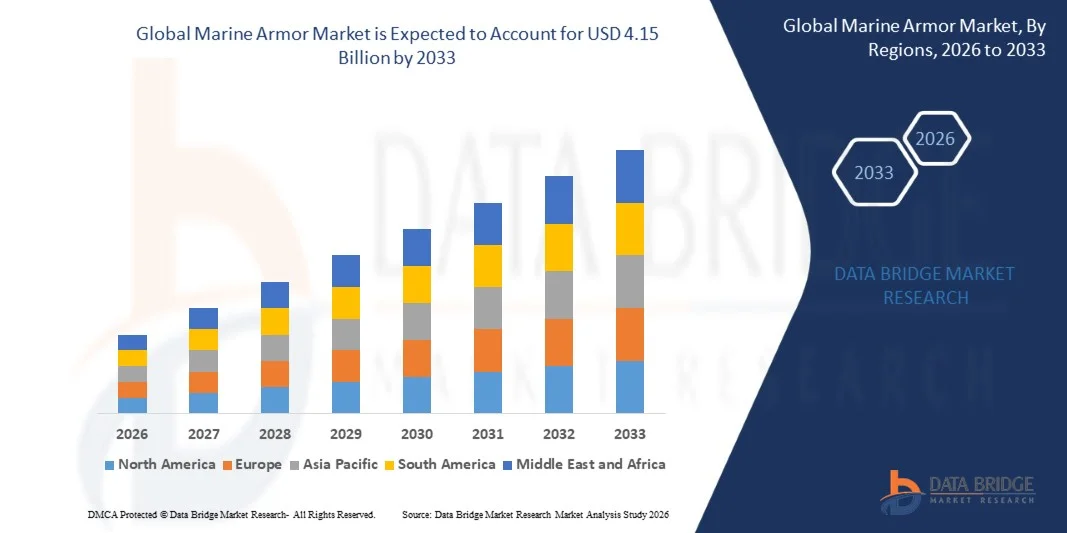
According to the latest report published by Data Bridge Market Research, the Marine Armor Market CAGR Value The global marine armor market was valued at USD 2.79 Billion in 2025 and is projected to reach USD 4.15 Billion by 2033, growing at a CAGR of 5.1% from 2026 to 2033. The Marine Armor Market document contains precise and up to date information about the...
The Cell Regeneration Medicine Market is emerging as a significant area within the global healthcare and biotechnology industry, driven by advances in stem cell research, tissue engineering, gene therapy, and personalized medicine. WiseGuyReports estimates that the market was valued at USD 14.0 billion in 2024 and USD 15.2 billion in 2025, with projections indicating growth to...

