What Is Recovery Like After Liposuction?
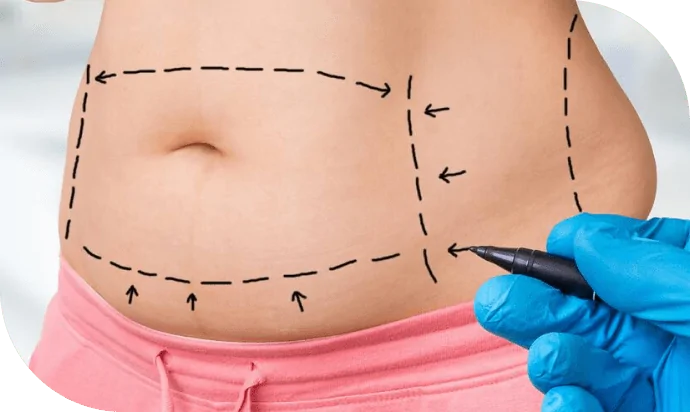
Recovery is an important part of the liposuction journey, and understanding what to expect can make the process feel much easier. For people considering Liposuction in Dubai, knowing how swelling, bruising, discomfort, activity restrictions, and results typically progress can help them prepare realistically. While recovery varies from person to person, most patients gradually return to normal activities as their body heals.
What Happens Immediately After Liposuction?
After liposuction, the treated areas may feel swollen, tender, tight, or bruised. These effects are normal parts of the healing process and usually become more noticeable during the first few days.
A compression garment may be recommended to support the treated areas and help manage swelling. Patients are also generally encouraged to begin gentle movement as advised, because prolonged inactivity can increase the risk of complications.
During the first stage of recovery, rest is important, but complete bed rest is usually not the goal. Light walking can support circulation while avoiding unnecessary strain on the treated areas.
The First Week of Liposuction Recovery
The first week is often when swelling and bruising are most noticeable. Discomfort may gradually improve, although the treated areas can remain sensitive or feel firm.
Many people can move around carefully within a short period, depending on the extent of the procedure and their individual recovery. However, strenuous exercise, heavy lifting, and activities that put pressure on the treated areas should generally be avoided until cleared by the treating medical professional.
Common experiences during the first week may include:
- Swelling and bruising around treated areas
- Mild to moderate soreness or tenderness
- Temporary numbness or altered skin sensation
- A feeling of tightness in the skin
- Reduced energy during the initial healing period
Following postoperative instructions carefully can help support a smoother recovery. Medication should also be taken only as directed by the healthcare professional.
How Long Does Swelling Last After Liposuction?
Swelling is one of the most common concerns during liposuction recovery. Although some swelling may begin decreasing within the first few weeks, residual swelling can take considerably longer to disappear completely.
The exact timeline depends on factors such as the treatment area, amount of fat removed, individual healing response, and whether multiple areas were treated. Consequently, early changes should not be mistaken for the final contour.
During the recovery period, the body continues repairing tissues beneath the skin. As inflammation decreases, the treated areas generally become softer and more defined.
Compression garments may be recommended during this stage. If used according to professional instructions, they can provide support while the tissues heal and swelling settles.
Returning to Work and Normal Activities
The timing for returning to work depends largely on the type of work a person performs and the extent of the procedure. Someone with a desk-based job may be able to return sooner than someone whose work involves lifting, prolonged standing, or physical exertion.
Patients should avoid rushing back into demanding activities simply because they feel better. Internal healing can continue even when external symptoms have started improving.
A gradual return to normal activities is usually more appropriate. Walking can often be increased progressively, while more strenuous exercise should wait until the treating professional confirms that it is safe.
For anyone considering Liposuction in Dubai, discussing work responsibilities and daily routines during the consultation can help create more realistic expectations about recovery.
Exercise and Physical Activity After Liposuction
Exercise is an important consideration because the body needs time to heal before it can tolerate intense physical activity. Gentle walking is commonly encouraged early in recovery, but the timing for more demanding exercise varies.
High-impact workouts, heavy lifting, running, and intense abdominal exercises can place unnecessary stress on healing tissues if resumed too soon.
A gradual progression may involve:
- Gentle walking during the early recovery period, as permitted.
- Increasing everyday movement as discomfort and swelling improve.
- Returning to light exercise only after receiving appropriate clearance.
- Progressively resuming more demanding workouts as healing allows.
Patients should pay attention to their body's response rather than using someone else's recovery timeline as a benchmark. Increased pain, swelling, or other concerning symptoms after activity should be discussed with a healthcare professional.
When Will Liposuction Results Become Visible?
One of the biggest misconceptions about liposuction is expecting the final body contour immediately after the procedure. In reality, swelling can temporarily obscure the changes created by fat removal.
As inflammation settles, the treated areas generally begin to look more defined. However, the final appearance may take several months to become fully apparent because tissues need time to heal and adapt.
This gradual process is particularly relevant when evaluating liposuction recovery. Early photographs may show changes, but they do not necessarily represent the final outcome.
Maintaining a stable weight after recovery can also help preserve the body contour achieved through the procedure. Liposuction removes targeted fat cells, but it does not prevent remaining fat cells from increasing in size if significant weight gain occurs.
Tips for a Smoother Liposuction Recovery
Good postoperative care can make the recovery period more manageable. Patients should follow their individualized instructions rather than relying solely on general advice found online.
Helpful recovery practices may include:
- Follow all postoperative instructions carefully.
- Wear compression garments if they have been recommended.
- Stay adequately hydrated unless medically advised otherwise.
- Eat balanced, nutritious meals to support normal healing.
- Take prescribed or recommended medication according to instructions.
- Walk gently when permitted rather than remaining inactive for prolonged periods.
- Avoid smoking or other behaviors that can interfere with healing.
- Attend scheduled follow-up appointments.
- Wait for professional clearance before returning to strenuous exercise.
It is also important to maintain realistic expectations. Recovery does not always progress in a perfectly linear way, and swelling or tenderness can fluctuate during the healing process.
When Should You Contact Your Healthcare Professional?
Some discomfort, swelling, bruising, and temporary changes in sensation can occur after liposuction. However, patients should not ignore symptoms that seem unusual, severe, or progressively worse.
Prompt medical advice is appropriate if there is significant or worsening pain, unexpected swelling, signs of infection, difficulty breathing, chest pain, or other concerning symptoms. The treating medical team can determine whether these symptoms are part of normal healing or require further assessment.
Choosing an appropriately qualified medical professional and following postoperative guidance are important parts of maintaining a safe recovery.
Conclusion
Liposuction recovery is a gradual process rather than an overnight transformation. Swelling, bruising, tenderness, and temporary numbness are common during the early stages, while more visible contour improvements develop as the body heals.
For those considering Liposuction in Dubai, understanding the recovery timeline can make it easier to plan work, exercise, rest, and follow-up care. Every patient heals differently, so personalized medical guidance should always take priority over a standard timeline. With appropriate aftercare and realistic expectations, Liposuction treatment can be approached with a clearer understanding of what the healing journey involves.
Categories
- Artificial Intelligence (AI)
- Technology
- Business
- Education
- Science
- Lifestyle
- Healthcare
- Entertainment
- Politics
- Environment
- Travel
- Finance
- Automobile
- News
- Art
- Causes
- Crafts
- career
- Dance
- Drinks
- Film
- Fitness
- Food
- Games
- Gardening
- Health
- Home
- Literature
- Music
- Networking
- Other
- Party
- Religion
- Shopping
- Sports
- Theater
- Wellness
Read More
The Neonatal PICC Catheter Market is experiencing steady growth as healthcare systems worldwide continue to prioritize advanced neonatal care and improve outcomes for premature and critically ill infants. Peripherally Inserted Central Catheters (PICCs) are essential medical devices used in neonatal intensive care units (NICUs) to provide long-term venous access for administering medications,...

IVF Cost in Ahmedabad: Treatment Expenses, Pricing Factors & What to Consider For couples exploring fertility treatment, understanding the IVF cost in Ahmedabad is an important part of planning the journey toward parenthood. In-vitro fertilization (IVF) is an assisted reproductive treatment in which eggs and sperm are brought together in a laboratory to facilitate fertilization, followed by...

According to the latest report published by Data Bridge Market Research, the Film Adhesives Market The global adhesive films market size was valued at USD 96.64 billion in 2025 and is expected to reach USD 149.78 billion by 2033, at a CAGR of 5.63% during the forecast period. Film Adhesives Market report has been framed by chewing over an array of...

The photonic sensor market is expanding rapidly as continuous innovations in fiber optics, silicon photonics, integrated photonic circuits, laser technologies, and artificial intelligence enhance sensing performance and operational efficiency. Advancements such as miniaturized optical sensors, distributed fiber optic sensing, quantum photonic sensing, and IoT-enabled monitoring platforms are...
Gynecomastia can change the shape and proportions of the male chest, sometimes creating unwanted fullness around the nipples or across the chest. For men considering Gynecomastia Surgery in Riyadh (تصغير الثدي عند الرجال في الرياض), understanding how surgeons approach tissue removal and chest contouring can help explain how a balanced, natural-looking appearance may be achieved. Assessing...