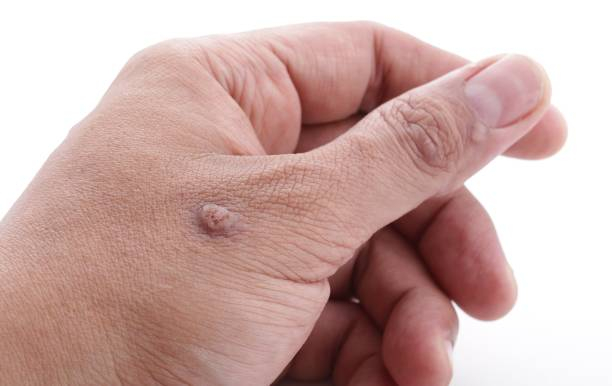
Warts are common skin growths caused by certain strains of human papillomavirus (HPV). While some disappear naturally, others can remain for a long time or return after treatment. These stubborn and recurring warts can be particularly frustrating when they become noticeable, uncomfortable, or resistant to previous treatment. For individuals considering warts removal in riyadh, professional assessment can help identify why a wart is persisting and determine an appropriate treatment approach.
Why Do Some Warts Become Stubborn?
Not every wart responds to treatment in the same way. Some may be thicker, deeper, or located in areas exposed to frequent friction and pressure. The body's immune response to HPV can also influence how quickly a wart resolves. Previous treatment history may further affect the choice of treatment. Warts Removal in Riyadh can be personalized according to the wart's characteristics, location, and response to earlier treatments.
Long-Lasting Warts
A wart that remains for an extended period may require a more targeted treatment approach. Persistent warts can sometimes become thicker or more noticeable over time. Professional evaluation can help determine whether the growth is still consistent with a wart and whether additional treatment may be appropriate.
Why Can Warts Come Back?
Recurrence is possible because removing the visible wart does not always eliminate HPV from the surrounding skin. The virus may remain inactive and later contribute to another growth. A new wart can also develop because of continued exposure to HPV.
Recurrence Does Not Always Mean Treatment Failed
If a wart returns, it does not necessarily mean the previous treatment was ineffective. Some warts are naturally more resistant, and recurrence can happen even after successful removal of the visible growth. A follow-up assessment can help determine whether the growth is a recurrence or a new wart.
When Should Stubborn Warts Be Professionally Evaluated?
Professional assessment is particularly useful when a wart remains despite previous treatment, repeatedly returns, becomes painful, or spreads to nearby areas. A professional can examine the growth and surrounding skin before recommending another treatment.
Signs That Treatment May Be Needed
Persistent growth, repeated irritation, discomfort, rapid spread, or noticeable changes in appearance may all be reasons to seek professional advice. If a growth bleeds unexpectedly or looks unusual, it should be evaluated rather than automatically assumed to be a wart.
Modern Treatment Options for Persistent Warts
Several professional treatment methods may be considered for stubborn or recurring warts. These can include cryotherapy, laser-based procedures, electrosurgery, or other clinically appropriate approaches. The selected method depends on the wart's type, size, location, thickness, and previous treatment response.
Cryotherapy
Cryotherapy uses controlled freezing to damage targeted wart tissue. The treated area can then gradually heal as the wart breaks down. Some persistent warts may require more than one session, depending on their response.
Laser-Based Treatment
Laser treatment uses concentrated energy to target selected wart tissue. It may be considered for certain persistent or difficult-to-treat growths, particularly when previous approaches have not provided satisfactory improvement. Professional assessment is necessary to determine whether this option is suitable.
Electrosurgery
Electrosurgery uses controlled electrical energy to treat targeted wart tissue. It may be considered for selected stubborn warts that have not responded adequately to other approaches. The procedure should be performed by a qualified professional with appropriate aftercare.
Why Professional Treatment Is Important
Repeatedly trying to remove a stubborn wart at home can irritate the skin and may increase the risk of injury or spreading the virus. Professional treatment allows the wart to be evaluated and addressed using a controlled technique.
Protecting Healthy Skin
A suitable treatment approach considers not only the wart but also the surrounding skin. This is particularly important when the wart is located on the face, around the nails, or in another sensitive area. Professional care can help reduce unnecessary trauma to healthy tissue.
What to Expect During Treatment
The experience depends on the treatment method selected. The area is generally assessed and prepared before treatment, and the chosen procedure is carefully applied to the wart. Some temporary sensations such as tingling, pressure, warmth, or mild discomfort may occur.
Aftercare and Healing
Temporary redness, swelling, tenderness, blistering, or peeling can occur depending on the treatment. Following aftercare instructions is important for supporting recovery. Avoid picking or scratching the treated area, and keep it clean according to professional recommendations.
Can Lifestyle Habits Help Prevent Recurrence?
Although recurrence cannot always be prevented, certain habits can reduce the risk of spreading HPV. Avoid touching or picking at warts, wash your hands after contact, and do not share personal items such as towels, razors, nail tools, socks, or footwear.
Protecting Damaged Skin
Cuts and scratches can provide an entry point for HPV. Keeping minor injuries clean and covered can help protect the skin. Avoid biting your nails or picking at the skin around them, particularly if you have previously experienced warts in those areas.
How Long Does Treatment Take?
Treatment duration varies according to the method used and the characteristics of the wart. Some growths may respond after one treatment, while stubborn or recurring warts may require multiple sessions. Healing time also differs between individuals and treatment types.
What Results Can You Expect?
The goal of professional treatment is to remove the visible wart and support healthier-looking skin. Results vary depending on the wart and individual response. Warts Removal in Riyadh can provide a structured approach for people dealing with persistent growths, with treatment selected according to their specific circumstances.
When to Seek Further Evaluation
If a wart continues to return despite professional treatment, becomes increasingly painful, changes significantly, or develops unusual features, further evaluation may be necessary. Not every recurring skin growth is a wart, so proper assessment is important before continuing treatment.
Book an Appointment at Royal Clinic Saudia
If you are dealing with stubborn or recurring warts, Royal Clinic Saudia can evaluate the affected area and discuss suitable professional treatment options. Book an appointment to receive personalized guidance and take a step toward clearer, smoother, and healthier-looking skin.
FAQs:
Why do some warts keep coming back?
HPV can remain in the surrounding skin, allowing warts to recur or new ones to develop.
Can stubborn warts require multiple treatments?
Yes, persistent warts may require more than one treatment session.
Is professional treatment better for recurring warts?
Professional assessment can help identify a suitable treatment when warts persist or return.
Can I prevent recurring warts?
Good hygiene, avoiding picking, and not sharing personal items can help reduce the risk.