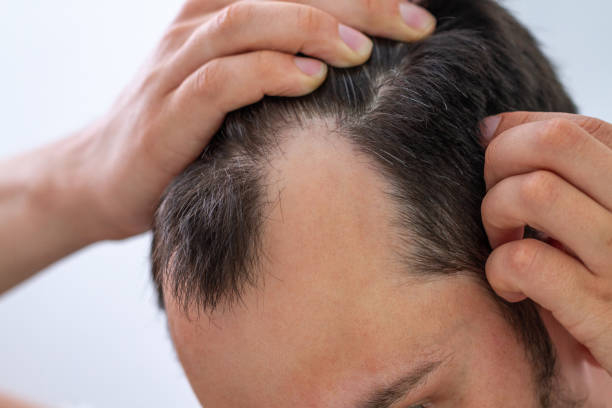
Healthy hair starts beneath the surface, and nutrition plays an important role in supporting normal hair growth. Hair follicles require energy, protein, vitamins, minerals, and other nutrients to function properly. When the body does not receive enough essential nutrients, the hair-growth cycle may be disrupted, potentially leading to increased shedding or weaker-looking hair. Understanding the connection between diet and hair health can help you make informed decisions when considering hair loss treatment.
A poor or highly restrictive diet is not the only possible cause of hair loss. Stress, genetics, hormonal changes, medical conditions, medications, and scalp problems can also contribute to thinning. If you are experiencing persistent shedding, improving your diet may support overall hair health, but it should not replace professional evaluation. For people exploring Hair Loss Treatment in Riyadh, identifying whether nutritional factors are actually contributing to the problem is an important part of choosing an appropriate approach.
Why Nutrition Matters for Hair Growth
Hair follicles are among the body's most metabolically active structures, meaning they require a consistent supply of nutrients to support the hair-growth process. When nutritional intake is inadequate, the body may prioritize essential functions over processes such as hair production.
This can affect the normal growth cycle and may cause more hairs to enter the resting or shedding phase. The result can be increased hair fall, reduced density, or changes in hair quality.
Protein and Hair Health
Why Protein Is Important
Hair is primarily made of a protein called keratin. Adequate protein intake provides the building blocks needed for healthy hair production. Consistently low protein intake may contribute to weakened hair and increased shedding in some individuals.
Protein-Rich Foods
Eggs, fish, poultry, dairy products, beans, lentils, nuts, and seeds can provide useful sources of protein. A balanced diet should include an appropriate amount based on individual nutritional needs.
Iron and Hair Loss
Iron is involved in oxygen transport and various processes that support normal cellular function. Low iron levels may be associated with increased hair shedding, particularly in some women.
If iron deficiency is suspected, professional testing is preferable to taking supplements without guidance. Excessive iron supplementation can also be harmful, so supplementation should be based on appropriate medical advice.
Vitamin D and Hair Growth
Vitamin D is involved in several biological processes, and researchers have studied its relationship with hair-follicle function. Low vitamin D levels have been observed in some people with certain hair-loss conditions, although the relationship is not the same for every individual.
If deficiency is suspected, testing can help determine whether supplementation is appropriate.
Zinc and Other Minerals
Zinc supports numerous processes in the body, including those involved in tissue growth and repair. Inadequate zinc intake may affect normal hair health in some individuals.
Other nutrients, including selenium and copper, are also involved in normal physiological processes. However, more is not necessarily better, and excessive supplementation can sometimes cause problems.
Vitamins That Support Hair Health
B Vitamins
Several B vitamins contribute to normal energy metabolism and cellular function. A balanced diet generally provides adequate amounts, while supplementation may only be necessary when a deficiency exists.
Vitamin C
Vitamin C supports collagen production and helps the body absorb iron from plant-based foods. Fruits and vegetables such as citrus fruits, berries, peppers, and leafy greens are useful dietary sources.
Vitamin A
Vitamin A is important for normal cell growth, including skin and follicle function. However, excessive intake of vitamin A supplements can actually contribute to hair loss, making balanced intake important.
Healthy Fats and Hair
Omega-3 fatty acids and other healthy fats can form part of a balanced diet that supports overall health. Foods such as oily fish, walnuts, chia seeds, and flaxseeds can provide beneficial fats.
Although a healthy diet supports general well-being, specific foods should not be considered a guaranteed treatment for hair loss.
How Crash Diets Can Affect Hair
Rapid weight loss and highly restrictive diets can reduce the body's supply of essential nutrients and calories. This may trigger increased shedding in some people, particularly when the change is sudden.
Maintaining a balanced diet and avoiding unnecessary extreme restrictions can help support normal hair growth. If significant shedding occurs after weight loss, professional evaluation can help determine whether nutritional factors are involved.
Can Supplements Stop Hair Loss?
Supplements can be useful when a genuine nutritional deficiency is present, but they are not a universal solution for hair loss. Taking high doses of vitamins or minerals without professional guidance may be ineffective or even harmful.
Before starting supplements, it is better to identify whether a deficiency exists and determine the appropriate amount based on individual needs.
Nutrition and Different Types of Hair Loss
Nutrition may play a larger role in some types of temporary shedding than in hereditary hair loss. For example, nutritional deficiencies can contribute to increased shedding, while genetic hair loss is primarily influenced by inherited follicle sensitivity.
This distinction matters because improving diet alone may not address every type of hair loss. A professional assessment can help determine whether nutrition, genetics, hormones, or another factor is responsible.
Combining Nutrition With Hair Loss Treatment
A healthy diet can support hair health alongside professional treatment when appropriate. Depending on the cause of thinning, treatment options may include topical approaches, PRP therapy, microneedling, or hair transplantation.
People considering Hair Loss Treatment in Riyadh should first understand the cause of their hair loss. A professional can assess the scalp, review relevant health and lifestyle factors, and determine whether nutritional concerns may need to be addressed as part of the overall plan.
When Should You Seek Professional Advice?
Consider professional evaluation if hair loss is persistent, sudden, rapidly progressing, or accompanied by bald patches or scalp changes. You should also seek advice if significant shedding follows a restrictive diet, rapid weight loss, illness, or another major health change.
Nutrition is an important foundation for healthy hair, but it is only one part of the picture. A balanced diet, adequate nutrient intake, healthy lifestyle habits, and appropriate professional care can work together to support stronger-looking hair and a healthier scalp.
Book an Appointment
If you are experiencing persistent hair shedding or thinning, Royal Clinic Saudia can help you explore suitable hair and scalp treatment options. Book an appointment for a professional consultation and discuss your concerns to determine an approach tailored to your individual needs.
FAQs:
Can poor nutrition cause hair loss?
Yes, certain nutritional deficiencies and restrictive diets can contribute to increased hair shedding.
Which nutrients are important for healthy hair?
Protein, iron, zinc, vitamin D, and several vitamins can support normal hair growth when consumed in appropriate amounts.
Can supplements make hair grow faster?
Supplements mainly help when a deficiency exists. Taking unnecessary high doses does not guarantee faster hair growth.
Can a healthy diet reverse genetic hair loss?
A healthy diet supports overall hair health but cannot eliminate the genetic factors responsible for hereditary hair loss.