


What Is the Process Behind Endoscopic Balloon Extraction?
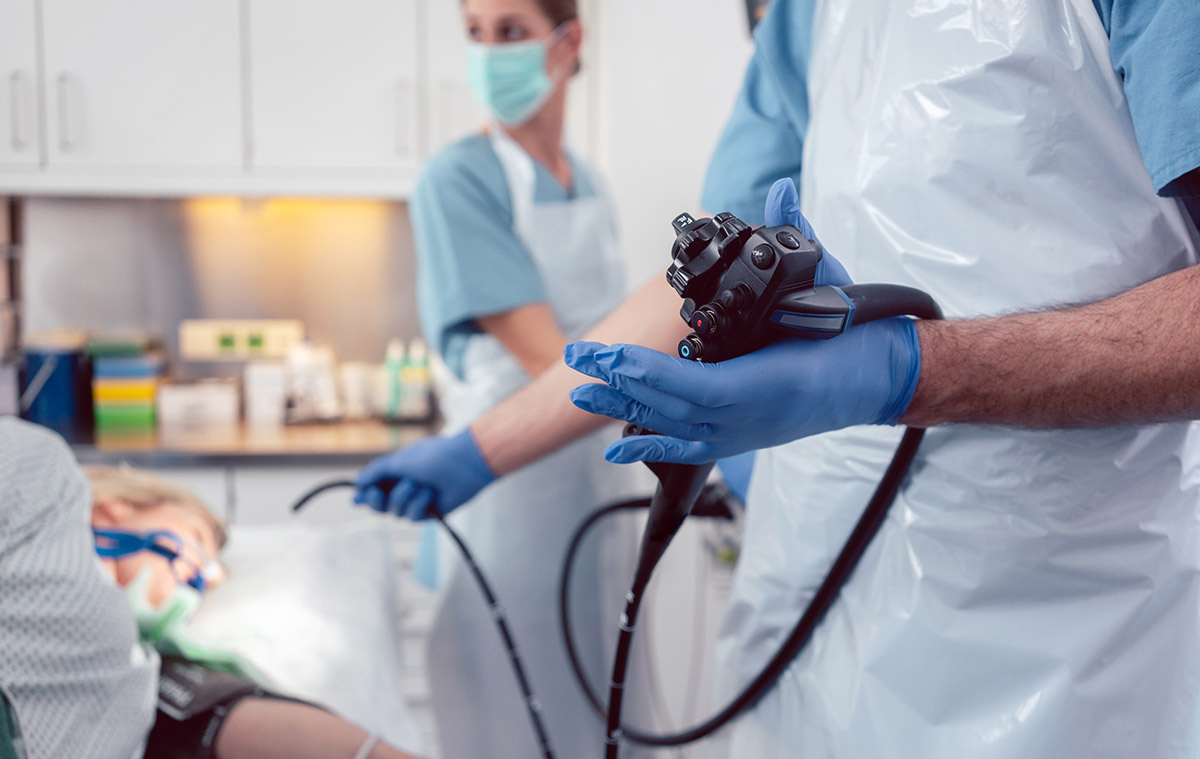
Digestive problems can sometimes require a minimally invasive procedure to remove an obstruction, retained object, or material from the gastrointestinal tract. Endoscopic Balloon Extraction in Dubai is one technique that may be used in carefully selected cases, allowing specialists to access and retrieve certain materials through an endoscope rather than relying on more invasive surgical approaches.
For beginners, the idea of an endoscope and an extraction balloon may sound complicated. However, the basic concept is straightforward: a flexible tube with a camera is used to visualize the relevant area, while a specially designed balloon-based device may help capture, mobilize, or support the removal of the targeted material. The exact approach depends on the patient's condition, the location of the obstruction or material, and other clinical factors.
Understanding how endoscopic balloon extraction works can make the procedure easier to approach. Below is a step-by-step explanation of the process, including preparation, the procedure itself, recovery, and the factors that can influence treatment planning.
Understanding the Role of Endoscopic Balloon Extraction
Endoscopy is a medical technique that allows a specialist to examine parts of the digestive tract using a thin, flexible instrument called an endoscope. The endoscope contains a camera and may include channels through which specialized instruments can be introduced.
In an endoscopic balloon extraction procedure, a balloon catheter or related extraction device may be passed through the endoscope to assist with the management and removal of selected materials. Depending on the clinical situation, the balloon can be positioned beyond or near the target, inflated appropriately, and used to help move the material toward a location where it can be safely retrieved.
This technique may be considered in different gastrointestinal situations, but the exact indication varies. It is important to understand that not every blockage or foreign material can be treated using the same endoscopic method. Specialists first assess the size, position, nature, and accessibility of the target before deciding whether balloon-assisted extraction is suitable.
The main goal is to provide controlled access and removal while minimizing unnecessary trauma to surrounding tissues.
How Patients Are Assessed Before the Procedure
Before an endoscopic extraction is planned, the healthcare team carries out a detailed assessment. This helps determine whether an endoscopic foreign body removal or balloon-assisted approach is appropriate and identifies factors that may affect safety.
The evaluation may include:
- A review of symptoms and medical history
- Physical examination
- Blood tests when clinically necessary
- Imaging or previous diagnostic results
- Assessment of medications and allergies
- Instructions regarding eating and drinking before the procedure
- Evaluation of sedation or anesthesia requirements
The location and characteristics of the material are especially important. Some objects or obstructions can be easier to manage endoscopically, while others may require a different technique or additional intervention.
Patients should also inform the medical team about medications they take regularly. Certain medicines can influence bleeding risk, sedation planning, or other aspects of the procedure, so individualized instructions may be provided before treatment.
Preparation instructions should always be followed carefully. Depending on the type and location of the procedure, patients may need to avoid food and drink for a specific period beforehand.
Step-by-Step: How the Balloon-Assisted Extraction Process Works
Although the precise technique varies according to the clinical situation, the balloon-assisted endoscopy process generally follows a structured sequence.
1. Preparation and Sedation
The patient is positioned appropriately for the procedure, and monitoring equipment is used to observe vital signs. Sedation, anesthesia, or another suitable method of comfort management may be used depending on the complexity of the procedure and the patient's individual needs.
The aim is to ensure that the procedure can be performed as safely and comfortably as possible. The medical team also remains prepared to respond if the treatment plan needs to change based on what is observed during endoscopy.
2. Insertion of the Endoscope
A flexible endoscope is carefully introduced to reach the area requiring examination or treatment. The camera provides real-time visualization, allowing the specialist to identify the target and assess the surrounding tissue.
This direct view is one of the key advantages of therapeutic endoscopy. It allows the specialist to make decisions based on the exact position and appearance of the material rather than relying solely on symptoms or external imaging.
3. Positioning the Balloon Device
Once the target has been identified, a balloon catheter or suitable extraction device may be advanced through the working channel of the endoscope. The device is positioned according to the specific extraction technique being used.
In some situations, the balloon may be guided beyond the material before inflation. This positioning can create a supportive mechanism for carefully mobilizing the target toward a location where removal can be completed.
The amount of inflation and the handling technique depend on the device and clinical circumstances. Careful control is essential to reduce unnecessary pressure and support safe manipulation.
4. Mobilizing the Target Material
After appropriate positioning, the balloon may be used to help move the targeted material. The specialist monitors the process continuously through the endoscopic camera.
Additional endoscopic tools may also be used when necessary. Retrieval baskets, graspers, nets, or other instruments can sometimes support the extraction process, depending on the nature of the material being removed.
This stage requires precision because the approach must be adapted to the shape, size, and location of the target.
5. Removing the Material and Rechecking the Area
Once the material has been successfully extracted or moved as planned, the specialist examines the area again. This final inspection helps identify any remaining material or visible tissue concerns.
The endoscope and instruments are then withdrawn carefully. Afterward, the patient is moved to a recovery area for observation, particularly if sedation or anesthesia was used.
The duration of the procedure can vary significantly. A relatively straightforward extraction may take less time than a complex case involving difficult positioning or multiple treatment steps.
Why Balloon-Assisted Endoscopic Removal May Be Considered
A minimally invasive approach can offer important advantages when it is clinically appropriate. Because the procedure is performed through an endoscope, it may avoid the need for a larger surgical incision in selected situations.
Potential benefits of minimally invasive endoscopic extraction may include:
- Direct visualization of the treatment area
- Precise use of specialized instruments
- No large external incision in suitable cases
- The ability to diagnose and treat during the same endoscopic session
- A potentially shorter recovery process compared with some open surgical procedures
- Careful inspection of the area after extraction
However, these benefits depend heavily on the patient's condition. A balloon-assisted method is not automatically the best option for every person or every type of gastrointestinal obstruction.
The decision is based on clinical assessment. Factors such as the location of the problem, the characteristics of the material, tissue condition, previous procedures, and overall health can all influence the recommended approach.
What Happens During Recovery and Aftercare?
Recovery after an endoscopic procedure depends on the type of sedation used and the complexity of the extraction. Patients who receive sedation may need to remain under observation until they are sufficiently alert.
It is common for the healthcare team to provide specific instructions about when to resume drinking and eating. The recommendations may vary depending on the treatment area and what was found during the procedure.
Patients may also be advised to have someone accompany them home if sedating medication was used. Driving or operating machinery may be restricted for a period following sedation.
Aftercare instructions may include guidance on:
- Returning to normal meals as advised
- Taking prescribed medications correctly
- Avoiding certain activities for a recommended period
- Monitoring for unusual symptoms
- Attending follow-up appointments if required
Some mild temporary effects, such as throat discomfort after upper endoscopy, can occur depending on the route and type of procedure. However, patients should seek medical attention promptly if they experience severe or worsening symptoms, significant bleeding, persistent vomiting, severe pain, difficulty breathing, fever, or any other concerning changes.
The treating medical team provides the most relevant aftercare guidance because recovery can differ from one case to another.
Factors That Can Affect the Success of the Procedure
The outcome of an Endoscopic Balloon Extraction in Dubai procedure can depend on several factors. The type of material being managed is one of the most important considerations.
Size, shape, location, and how long the material has been present may influence whether endoscopic removal is practical. The presence of swelling, narrowing, inflammation, or other anatomical factors may also affect the procedure.
In some cases, the specialist may discover during endoscopy that another method is more appropriate. This does not necessarily mean the procedure has failed; rather, it reflects the importance of adapting treatment to real-time clinical findings.
Successful treatment also depends on proper preparation, suitable equipment, specialist expertise, and appropriate patient selection. A thorough assessment before the procedure helps establish the safest and most effective treatment pathway.
Conclusion
Endoscopic balloon extraction is a specialized technique that uses direct visualization and carefully controlled instruments to help manage selected materials within the gastrointestinal tract. The process generally involves assessment, preparation, endoscope placement, positioning of the balloon device, controlled mobilization or retrieval, and post-procedure observation.
For anyone considering Endoscopic Balloon Extraction in Dubai, understanding the procedure can help reduce uncertainty and support more informed discussions with a qualified healthcare professional. The exact steps may differ depending on the medical reason for extraction, so treatment should always be planned according to individual findings and clinical needs.
If you are advised to undergo Endoscopic Balloon Extraction Treatment, discuss the expected process, preparation requirements, possible alternatives, recovery instructions, and any procedure-specific risks with your treating specialist to understand what applies to your situation.
Categories
- Artificial Intelligence (AI)
- Technology
- Business
- Education
- Science
- Lifestyle
- Healthcare
- Entertainment
- Politics
- Environment
- Travel
- Finance
- Automobile
- News
- Art
- Causes
- Crafts
- career
- Dance
- Drinks
- Film
- Fitness
- Food
- Games
- Gardening
- Health
- Home
- Literature
- Music
- Networking
- Other
- Party
- Religion
- Shopping
- Sports
- Theater
- Wellness
Read More
The Aircraft Nacelle System Market is covered by Business Market Insights with 2025 as the base year and 2026–2033 as the forecast period. The retrieved public source material for this batch did not expose all three headline values required for a verified numerical opening, so no market-size figure or CAGR is inferred. Market growth is best understood as the interaction between customer...

The Aerospace and Defense Electronics Market was valued at US$ 189.1 Billion in 2025 and is projected to reach US$ 285.4 Billion by 2033, registering a CAGR of 5.28% during 2026–2033. Aerospace and Defense Electronics Market sits at the intersection of structural demand and ongoing technology investment. What is driving the market? Demand is being driven primarily by defense...
Although recovered carbon black offers substantial sustainability benefits, product consistency remains one of the industry's most important challenges. Improving quality and standardization will be essential for broader adoption across the Recovered Carbon Black Market. Recovered carbon black properties can vary depending on tire composition, feedstock preparation, pyrolysis conditions,...
The submarine power cable market is expanding rapidly as technological advancements improve cable efficiency, durability, and transmission capacity. Innovations in high-voltage direct current (HVDC) technology, high-performance insulation materials, and advanced cable installation methods are enabling more reliable and cost-effective underwater power transmission. According to Business Market...
The global automotive industry is undergoing a transformative shift toward electrification, and thermal management technologies are becoming increasingly critical to vehicle performance. Among these technologies, electric vehicle heating systems play a pivotal role in ensuring passenger comfort, battery efficiency, and optimal vehicle operation under varying climate conditions....
