

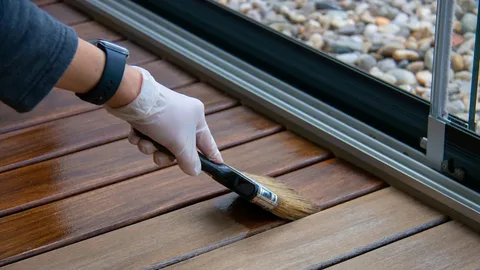

Wood features add warmth, character, and natural beauty to a home. However, regular exposure to sunlight, moisture, dirt, and everyday use can gradually affect their appearance. Faded colors, peeling finishes, scratches, and surface wear can make wood look neglected. Professional painting and staining can refresh suitable surfaces while helping preserve their appearance.
Understanding Wood Painting
Painting wood requires proper preparation to achieve a smooth and lasting finish. Depending on the surface, professionals may clean, sand, scrape, repair, and prime the wood before applying paint. These steps help improve adhesion and reduce common problems such as peeling, cracking, and uneven coverage.
Benefits of a Wood Painter In Aiken SC
Hiring a professional Wood Painter In Aiken SC can help homeowners refresh doors, trim, siding, railings, fences, and other suitable wood surfaces. Experienced painters understand that different wood types and existing finishes may require different preparation methods. Careful application helps create an even appearance while complementing the property's overall design.
Why Wood Staining Is Different
Staining provides an alternative to completely covering wood with paint. Instead of hiding the natural grain, stain can enhance the texture and character of suitable wood. The final appearance depends on the wood species, existing finish, stain color, and preparation. Choosing the right combination can create a natural and attractive result.
Benefits of Staining Services In Aiken SC
Professional Staining Services In Aiken SC can refresh suitable wood surfaces while highlighting their natural grain and color. Professionals can evaluate the existing condition, prepare the surface, select an appropriate stain, and apply it evenly. Staining can be useful for decks, doors, furniture, trim, railings, and other wood features.
Preparing Wood Before Painting
Proper preparation is essential when painting wood. Dirt, loose paint, mildew, and damaged areas should be addressed before a new coating is applied. Sanding can help smooth rough areas, while primer may improve adhesion and coverage. Taking time to prepare the surface can significantly improve the final appearance.
Preparing Wood Before Staining
Staining also requires careful preparation. Existing coatings may need to be removed or reduced so the stain can interact properly with the wood. Cleaning and sanding help create a more consistent surface. Professionals should also consider the natural characteristics of the wood because different materials can absorb stain differently.
Choosing Between Paint and Stain
The best option depends on the desired appearance, surface condition, and maintenance preferences. Paint provides greater flexibility with color and creates a more uniform appearance. Stain allows more of the natural wood grain to remain visible. Homeowners should consider the location and condition of the surface before choosing a finish.
Common Wood Painting Mistakes
Painting over dirty, damp, or poorly prepared wood can cause adhesion problems and premature peeling. Using an unsuitable product for an exterior surface may also reduce durability. Applying overly thick coats can create drips and uneven areas. Proper preparation and appropriate products help prevent these issues.
Common Staining Mistakes
Applying stain without preparing the wood can result in uneven color. Using too much product or failing to follow recommended application methods may also affect the finish. Another mistake is choosing a stain without considering the existing wood tone, which can produce an unexpected final color.
Protecting Finished Wood
Newly painted or stained wood should be protected while the finish dries and cures. Homeowners should avoid excessive moisture, harsh cleaning chemicals, and unnecessary contact during this period. Regular cleaning and prompt attention to scratches or damage can help preserve the finish afterward.
Long-Term Benefits of Professional Wood Finishing
Professional painting and staining can improve the appearance of suitable wood features without requiring complete replacement. A well-maintained painted surface can provide a refreshed look, while a quality stain can preserve and enhance natural wood character. Regular maintenance helps extend the useful life of both finishes.
Choosing Experienced Professionals
Homeowners should consider experience, preparation techniques, product knowledge, workmanship, and communication when choosing a wood finishing professional. Discussing the wood type, current condition, previous coatings, preferred color, and expected finish helps professionals determine the most appropriate approach.
Conclusion
Professional wood painting and staining can make a noticeable difference in the appearance of an Aiken home. Careful preparation, suitable products, proper application, and regular maintenance all contribute to lasting results. By choosing experienced professionals, homeowners can refresh their wood surfaces while preserving their beauty and improving the overall appearance of their property.

