


Paternity Test Guide: Everything You Need to Know
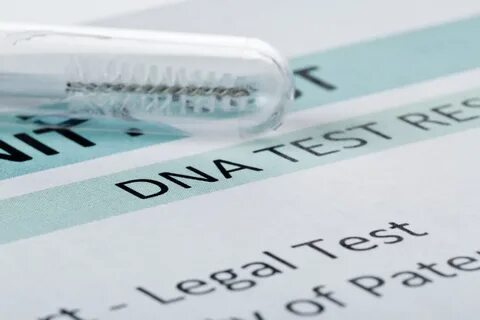
Questions about biological fatherhood can arise for many reasons, from personal uncertainty to family planning and official documentation. A Paternity Test Dubai offers a scientific method for determining whether a man is the biological father of a child by comparing their DNA.
Although DNA testing is now widely understood, many people still have questions about how paternity testing works, which samples are required, how results are interpreted, and whether a test performed for personal reasons is different from one intended for legal use.
This complete paternity test guide explains the process from beginning to end, including DNA collection, genetic analysis, testing options, accuracy, results, and important considerations before choosing a test.
What Is a Paternity Test?
A paternity test is a type of DNA relationship test used to evaluate whether an alleged father is the biological father of a child.
A child inherits genetic material from both biological parents. Because DNA contains inherited characteristics that can be compared between individuals, laboratories can examine specific genetic markers in a child's DNA and compare them with those of the alleged father.
The purpose is not simply to find similarities. A professional DNA laboratory evaluates multiple genetic markers and uses statistical analysis to determine whether the genetic evidence supports or excludes biological fatherhood.
Why DNA Is Used to Establish Paternity?
Physical appearance can sometimes create an impression of family resemblance, but it cannot scientifically establish biological parentage.
DNA provides a much stronger basis because genetic material is inherited from biological parents. During parentage testing, laboratories examine selected regions of DNA that vary between individuals.
If a man is the biological father, the child's genetic profile should contain markers that can be explained by inheritance from him. When the alleged father's DNA does not provide the expected genetic contribution across sufficient markers, paternity may be excluded.
This combination of genetic inheritance and statistical evaluation is what makes DNA paternity testing useful for establishing biological relationships.
How Does a Paternity Test Work?
A typical paternity test follows several carefully controlled stages.
DNA Sample Collection:
The process begins by obtaining biological samples from the people being tested.
A buccal swab, commonly called a cheek swab, is frequently used. It collects cells from inside the mouth that contain DNA and is generally simple and non-invasive.
Depending on the testing arrangement, samples may come from:
-
The child
-
The alleged father
-
The biological mother
The mother is not always required, although her participation can provide additional genetic information.
Laboratory DNA Extraction:
After the samples are received, laboratory personnel extract DNA from the collected cells.
The extracted material is prepared for genetic analysis. Proper sample identification and laboratory quality controls are important at this stage because accurate testing depends on analyzing the correct biological material.
Genetic Marker Analysis:
The laboratory creates a genetic profile from the DNA samples.
Modern relationship testing examines multiple genetic markers rather than relying on one characteristic. The child's profile is then compared with the alleged father's profile to determine whether the observed genetic inheritance is compatible with biological paternity.
Statistical Interpretation:
The laboratory evaluates the genetic evidence statistically.
Measures such as the paternity index can help determine how strongly the DNA findings support the alleged father being the biological parent compared with an unrelated individual.
The combined genetic evidence is then used to reach the laboratory's reported conclusion.
What Samples Are Used for a Paternity Test?
Cheek swabs are among the most common samples used for postnatal paternity testing.
Because cells from the inside of the mouth contain DNA, a buccal swab can provide suitable genetic material without requiring a blood draw.
In some circumstances, other biological specimens may be considered. However, the appropriate sample depends on the testing situation, the laboratory's validated procedures, and whether the test is intended for personal or legal purposes.
The most important consideration is not simply the type of sample but whether it is collected, identified, preserved, and analyzed correctly.
Does the Mother Need to Take Part?
Not necessarily.
A test involving the child and alleged father is often described as a duo paternity test. When the biological mother is also tested, it may be called a trio paternity test.
Including the mother can make the genetic interpretation more informative because the laboratory can distinguish genetic characteristics inherited from the mother from those potentially inherited from the father.
However, laboratories can perform many paternity tests without a maternal sample. The appropriate testing approach depends on the circumstances.
How Accurate Is a Paternity Test?
DNA paternity testing can provide highly reliable evidence of biological parentage when samples are properly collected and tested using validated laboratory procedures.
However, there is no single accuracy figure that applies to every possible testing situation. Reliability depends on factors such as:
-
The quality of the biological samples
-
Correct identification of participants
-
The genetic markers examined
-
Laboratory methodology
-
Quality-control procedures
-
Statistical interpretation
-
Whether relevant individuals are included in the test
This is why the qualifications, procedures, and quality standards of the testing laboratory matter.
A high-quality DNA paternity test is based on comprehensive genetic analysis rather than a simple comparison of visible characteristics.
Understanding Paternity Test Results:
Paternity reports can contain technical terminology, but the overall conclusion usually falls into one of two categories.
Paternity Is Supported:
If the genetic evidence is consistent with the alleged father being the biological father, the report may provide a probability of paternity or another statistical measure showing the strength of the evidence.
A high probability indicates strong genetic support for the claimed biological relationship.
The exact format of the result can vary between laboratories, so the complete report should be considered rather than focusing on one number alone.
Paternity Is Excluded:
An exclusion means the genetic evidence is inconsistent with the tested man being the biological father.
Multiple genetic incompatibilities can provide strong evidence against biological paternity. A professional laboratory evaluates the complete genetic profile before issuing its conclusion.
What Is a Legal Paternity Test?
Not every DNA paternity test is intended for official use.
An informational paternity test may be performed to provide individuals with personal knowledge about a biological relationship. A legal paternity test, by contrast, follows additional procedures designed to establish the identity of the tested individuals and maintain a documented chain of custody.
Legal testing may involve:
-
Identity verification
-
Controlled sample collection
-
Witnessed procedures
-
Documentation
-
Secure sample handling
-
Chain-of-custody records
If the results may be submitted to a court or used for another official purpose, it is important to determine the applicable requirements before testing begins.
Personal Paternity Test vs Legal Paternity Test:
The DNA analysis itself may be similar, but the collection and documentation procedures can differ.
| Feature | Personal Test | Legal Test |
|---|---|---|
| Main purpose | Personal information | Official or legal use |
| Identity verification | May be limited | Typically required |
| Controlled collection | May not be required | Required under applicable procedures |
| Chain of custody | Generally not established | Documented |
| Official acceptance | Depends on circumstances | Designed for qualifying official use |
A person who needs DNA evidence for a legal proceeding should not automatically assume that an independently collected personal test will satisfy legal requirements.
Can a Paternity Test Be Done Before Birth?
Certain forms of prenatal paternity testing can be performed during pregnancy.
Prenatal testing differs from a standard postnatal cheek-swab test because it involves pregnancy-specific procedures and considerations. The available method can determine which biological samples are required and how fetal genetic information is obtained.
Anyone considering prenatal paternity testing should understand the procedure, timing, potential considerations, and professional requirements before proceeding.
What Can Affect a Paternity Test?
Several factors can interfere with the testing process or complicate interpretation.
Sample Identification Errors:
A laboratory must know which individual provided each sample. Accurate labeling and identification are therefore essential.
Contamination:
Biological samples should be collected and handled carefully to prevent unwanted DNA from affecting the specimen.
Insufficient DNA:
A sample that does not contain enough usable genetic material may require further collection or laboratory assessment.
Incorrect Testing Assumptions:
The laboratory needs accurate information about who is being tested. Testing additional biological relatives or other individuals can sometimes affect the statistical interpretation.
Inappropriate Collection Procedures:
For legal testing, sample collection must follow the required procedures so that the identity and chain of custody can be documented.
When Might Someone Need a Paternity Test?
There is no single reason people seek DNA parentage testing.
A paternity test may be considered when someone wants to:
-
Establish biological fatherhood
-
Resolve uncertainty about parentage
-
Obtain personal information about a family relationship
-
Support certain legal proceedings
-
Provide biological relationship evidence for an official process
-
Clarify genetic relationships within a family
Because the implications of the results can be significant, people should consider the personal and legal consequences before testing.
Common Paternity Test Questions:
Is a blood sample required?
Usually not. Cheek swabs are commonly used for DNA collection in postnatal paternity testing.
Can a paternity test be done without the mother?
Yes. A child and alleged father may be sufficient for many paternity tests, although including the mother can provide additional information.
How long does a paternity test take?
The processing timeline depends on the laboratory, sample quality, testing method, and type of service selected. Individuals should ask the testing provider for the expected reporting timeframe.
Can a paternity test be wrong?
A properly conducted DNA relationship test is highly reliable, but the testing process still depends on accurate sample identification, appropriate collection, validated laboratory methods, and correct interpretation.
Does physical resemblance prove paternity?
No. Resemblance cannot scientifically establish biological fatherhood. DNA testing provides substantially stronger evidence.
What if the alleged father is unavailable?
Depending on the circumstances, alternative relationship-testing approaches may sometimes be considered. These can involve testing biological relatives, but the interpretation may differ from a standard father-child test.
How to Prepare Before Taking a Paternity Test?
Before arranging testing, clarify why the test is needed.
If the purpose is personal, an informational test may be appropriate. If the results could be used for a legal, immigration, custody, inheritance, or other official matter, identify the applicable requirements first.
It is also useful to understand who needs to provide samples, whether the mother should participate, what identification is required, and how the samples will be collected.
Taking these steps beforehand can prevent the need to repeat testing because of an incorrect collection or documentation process.
A Simple Way to Understand the Entire Process:
The paternity testing process can be summarized as:
Each stage contributes to the reliability of the final conclusion.
The science is based on inheritance, but the conclusion depends on more than simply finding matching DNA. Multiple genetic markers and statistical analysis work together to determine whether the alleged father is genetically consistent with the child's biological father.
Final Thoughts:
A paternity Lab tests is a scientific method for evaluating biological fatherhood through DNA analysis. From a simple cheek swab to detailed genetic profiling, the process uses inherited DNA markers and statistical calculations to assess the claimed parent-child relationship.
Understanding the difference between DNA collection, laboratory analysis, statistical interpretation, and legal chain of custody is essential when deciding which type of test is appropriate.
Whether the goal is personal knowledge or evidence for an official matter, the most important step is to choose a testing process that matches the intended purpose and follows appropriate sample collection and laboratory procedures. With the right testing approach, DNA analysis can provide clear and scientifically grounded evidence about biological parentage.
Categories
- Artificial Intelligence (AI)
- Technology
- Business
- Education
- Science
- Lifestyle
- Healthcare
- Entertainment
- Politics
- Environment
- Travel
- Finance
- Automobile
- News
- Art
- Causes
- Crafts
- career
- Dance
- Drinks
- Film
- Fitness
- Food
- Games
- Gardening
- Health
- Home
- Literature
- Music
- Networking
- Other
- Party
- Religion
- Shopping
- Sports
- Theater
- Wellness
Read More
How Ayurvedic Heart Care Products Support Daily Wellness Heart health is closely connected with the way we live each day. Busy schedules, irregular meals, limited movement and everyday stress can make it easy to overlook simple wellness habits. For people exploring ayurvedic heart care products, the interest often comes from wanting to include traditional Indian wellness practices in a more...

The Hematology Diagnostics Market is expanding as healthcare laboratories increase investment in automation, high-throughput testing, and connected diagnostic platforms. MRFR estimates that the market reached USD 4.49 billion in 2025 and is projected to reach USD 8.71 billion by 2035, registering a CAGR of 7.16%. Laboratory automation is one of the strongest forces shaping market development....

Polaris Market Research has introduced the latest market research report titled Space Debris Monitoring and Removal Market Share, Size, Trends, Industry Analysis Report, By Application (Space Debris Monitoring, and Space Debris Removal); By Debris Size Range; By Orbit Type; By End-Use; By Region; Segment Forecast, 2023 - 2032 that highlights the major revenue stream for the forecast...
Electric vans are commercial or passenger vehicles that use electric power as their primary or supporting source of propulsion to transport goods, passengers, or both. These vehicles typically operate with an electric motor powered by a rechargeable battery, while plug-in hybrid and hybrid electric models combine electric propulsion with an internal combustion engine. Electric vans are...
The Wearable Patch Market covers advanced skin-adhering devices used for continuous physiological monitoring, disease management, diagnostic applications, and transdermal drug delivery. According to Business Market Insights, the global Wearable Patch Market Size is expected to witness sustained growth during the forecast period, reaching US$ 26.87 billion by 2033 from US$ 10.15 billion in 2025....
