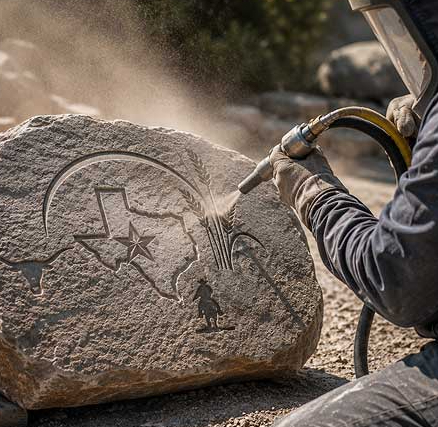
Natural stone has a distinctive presence that makes it a popular choice for outdoor environments. custom engraved stones combine that natural character with personalized lettering, numbers, names, dates, or messages to create features that are both functional and meaningful. They can be incorporated into residential gardens, commercial entrances, pathways, memorial areas, and landscaped properties. Because every natural stone has its own shape, color, and texture, each finished piece can have a unique appearance that blends naturally with its surroundings.
For homeowners, businesses, and property managers, custom engraved stones provide a versatile alternative to conventional signs and decorative features. They can identify a property, display an address, commemorate an important event, mark a garden, or enhance an entrance. However, achieving a successful result requires careful attention to stone selection, lettering, visibility, placement, landscaping, and maintenance. A well-planned design should provide useful information while complementing the character of the property.
Selecting the Right Stone
The stone itself establishes the foundation for the finished design. Natural rocks differ in size, shape, hardness, texture, and color, so the best option depends on the intended application. A relatively flat surface can make lettering easier to arrange, while an irregular rock may create a more rustic appearance. The stone should also be appropriately scaled to the surrounding property. A small garden may benefit from a compact marker, while a commercial entrance may require a larger feature that can be recognized from a distance. Selecting a stone that complements nearby materials can help create a cohesive landscape.
Planning the Engraving
The inscription should be planned before the engraving process begins. Consider the amount of text, letter size, font style, spacing, and overall arrangement. Longer messages require more surface area and careful organization to remain readable. Short names, dates, and addresses generally allow greater flexibility. Font selection should reflect the purpose of the stone while maintaining clarity. A straightforward typeface may be ideal for a business or address marker, whereas a more decorative style could work for a garden or commemorative feature. Reviewing the proposed layout against the actual stone can help avoid overcrowding.
Improving Readability
Natural stone often contains variations in color and texture that can affect how lettering appears. The engraving should therefore be designed with the stone's surface in mind. Letter size should correspond to the distance from which visitors are expected to read the information. A business name near a roadway may require substantially larger lettering than a small garden message viewed from a nearby path. Appropriate contrast can further improve visibility. The objective is to make the inscription easy to understand while retaining the natural appearance that makes stone attractive in the first place.
Using Engraved Stones for House Numbers
A personalized stone can serve as an attractive and practical property marker. Positioned near a driveway or entrance, an engraved address stone can help visitors identify the correct property while complementing the surrounding landscape. Numbers should be sufficiently large and placed on a visible surface. Homeowners should account for seasonal vegetation, parked vehicles, fences, snow, and other potential obstructions. Proper placement can improve visibility without making the stone appear disconnected from the landscape. Subtle exterior lighting can also help maintain visibility after sunset.
Enhancing Gardens and Outdoor Spaces
Gardens provide many opportunities for personalized stone features. An engraved stone can identify a garden, display a family name, commemorate an occasion, or add a short meaningful message to an outdoor area. Surrounding plants can frame the rock and soften its appearance while maintaining attention on the inscription. Low-growing vegetation, mulch, and decorative gravel can work particularly well around stone features. Plant growth should be considered over time because mature shrubs and groundcover can eventually conceal portions of the engraving if they are planted too closely.
Creating Memorial Features
Stone can provide a meaningful foundation for memorials because of its substantial and enduring appearance. A personalized stone may be used to remember a loved one, pet, special place, or significant event. Names, dates, and brief messages can be arranged to create a respectful feature without requiring excessive text. The surrounding landscape can contribute to the setting through flowers, trees, benches, or other appropriate elements. The design should remain balanced and understated, allowing the inscription and natural material to communicate the intended meaning.
Supporting Commercial Properties
Businesses can incorporate engraved stones into entrances, landscaped areas, campuses, and property boundaries. A stone displaying a company name can provide a substantial identification feature that complements architectural materials and landscaping. Commercial applications should emphasize readability, appropriate proportions, and visibility from expected viewing distances. The stone's natural color and texture can also be selected to coordinate with the building's exterior. When these elements are considered together, the sign can become an integrated part of the property's visual identity rather than simply another advertising feature.
Considering Installation and Placement
The location of an engraved stone affects both its appearance and practical performance. Before installation, property owners should evaluate drainage, irrigation, underground utilities, pedestrian routes, vehicle access, and future landscaping growth. Larger stones may require specialized equipment for safe handling and positioning. The installation area should be stable enough to prevent shifting over time. The stone should also be positioned so that it does not interfere with lawn equipment, vehicles, or pedestrian movement. Thorough planning can reduce installation complications and help protect the surrounding landscape.
Maintaining Stone Features
Natural stone is generally durable, but outdoor exposure can still affect its appearance. Dirt, dust, leaves, moss, and nearby plant growth may gradually make lettering less visible. Gentle cleaning can help restore the surface, while regular trimming can keep vegetation from covering the inscription. Property owners should also check for erosion or movement around the stone, particularly in areas exposed to heavy rainfall or changing soil conditions. If the engraving includes a contrasting finish, periodic inspection can determine whether additional maintenance is needed.
Creating a Timeless Design
An engraved stone is often intended to remain in place for many years, making timeless design an important consideration. Natural stone already provides texture and visual interest, so simple lettering, balanced proportions, and restrained decorative elements can create a lasting appearance. Neutral finishes and clear typography can remain compatible with changing landscaping and architectural styles. A well-designed feature should complement its environment rather than depend on short-lived trends. This approach can help the stone remain attractive even as other elements of the property are updated.
Conclusion
custom engraved stones offer a distinctive way to combine personalization, functionality, and natural beauty in outdoor environments. Whether used for house numbers, business identification, garden markers, memorials, or entrance features, they can become lasting elements of a property's landscape. Choosing the right stone, planning readable lettering, considering visibility, preparing the installation site, and maintaining the surrounding area are all essential to a successful result. With thoughtful design and appropriate care, a personalized stone can provide meaningful information and visual character while retaining its natural appeal for years to come.