


Drug Licence for Medical Devices: Eligibility, Documents & Process
Medical devices are regulated products in India, and businesses involved in their manufacture, import, sale, or distribution may need to comply with specific regulatory requirements. In India, medical devices are regulated under the Drugs and Cosmetics Act, 1940 and the Medical Devices Rules, 2017.
A drug licence for medical devices is commonly used as a search term for the regulatory approvals applicable to medical devices. However, the exact approval depends on the activity, device classification, and whether the business is manufacturing, importing, selling, or distributing the device.
Agile Regulatory provides professional assistance with medical device licensing, documentation, application support, and regulatory compliance.
What Is a Drug Licence for Medical Devices?
Medical devices include instruments, apparatus, appliances, implants, materials, software, and accessories intended for specified medical purposes. Under India's regulatory framework, medical devices are classified according to risk into four categories: Class A, Class B, Class C, and Class D. Class A represents low-risk devices, while Class D represents high-risk devices.
The applicable regulatory route depends on the device classification and the proposed business activity. Therefore, businesses should identify their device category and intended activity before applying for a licence or registration.
Who Needs Medical Device Licensing?
The requirements can apply to businesses involved in activities such as:
- Manufacturing medical devices
- Manufacturing devices for sale or distribution
- Importing medical devices
- Selling or distributing medical devices
- Manufacturing under a loan licence
- Conducting certain testing or evaluation activities
For example, applications for manufacturing licences for sale or distribution of Class A and Class B devices are handled through the State Licensing Authority, while Class C and Class D manufacturing applications are handled through the Central Licensing Authority.
Medical Device Risk Classification
Risk classification is an important part of the licensing process. CDSCO classifies medical devices based on the level of risk associated with their use:
Class A
Class A devices are considered low-risk medical devices.
Class B
Class B devices are considered low-to-moderate risk devices.
Class C
Class C devices are considered moderate-to-high risk devices.
Class D
Class D devices are considered high-risk devices.
The classification affects the applicable regulatory authority, application form, documentation, and approval process.
Eligibility for Medical Device Licence
Eligibility depends on the nature of the business and the medical device being handled. Applicants should generally have an appropriate business structure, suitable premises, relevant technical or qualified personnel where required, and documentation supporting the proposed activity.
For manufacturing activities, businesses may also need to demonstrate compliance with applicable quality management and manufacturing requirements. The regulatory authority can review the manufacturing premises and other technical information before granting the applicable licence.
Because requirements differ according to the device and activity, businesses should determine the correct regulatory pathway before preparing an application.
Documents Required for Medical Device Licensing
The exact documentation can vary according to the licence category, device classification, and business activity.
Depending on the application, documents may include:
- Business registration documents
- PAN and identity documents
- Address proof
- Premises ownership or lease documents
- Site or layout plan
- Details of manufacturing premises
- Details of qualified technical personnel
- Qualification and experience documents
- Device specifications
- Product information
- Quality management documentation
- Technical documentation
- Test or evaluation reports, where applicable
- Details of manufacturing equipment
- Other documents prescribed by the regulatory authority
Preparing complete and accurate documentation is important because missing or inconsistent information can delay regulatory processing.
Medical Device Licence Application Process
The general process can be explained through the following steps.
Step 1: Identify the Medical Device
First, identify the exact medical device and determine whether it falls within the regulatory definition of a medical device.
Step 2: Determine Risk Classification
The device should be classified as Class A, B, C, or D based on the applicable classification rules. This classification helps determine the relevant licensing pathway.
Step 3: Identify the Applicable Licence
The required approval depends on whether the applicant intends to manufacture, import, sell, or distribute the medical device.
For manufacturing for sale or distribution, CDSCO identifies different application forms depending on classification. Class A and B manufacturing applications use MD-3/MD-5, while Class C and D applications use MD-7/MD-9. Loan licence routes use MD-4/MD-6 for Class A/B and MD-8/MD-10 for Class C/D.
Step 4: Prepare Documents
Collect the business, premises, technical, product, quality, and personnel documents applicable to the proposed licence.
Step 5: Submit the Application
The application is submitted through the prescribed online regulatory system along with the applicable supporting documents and fees. CDSCO provides online application processes for various medical device licensing activities.
Step 6: Scrutiny and Inspection
The regulatory authority may scrutinize the application and, depending on the licence category, inspect the manufacturing premises. For Class C and D manufacturing licences, CDSCO's published citizen charter specifies scrutiny, inspection, and licence-grant stages.
Step 7: Licence Grant
After successful scrutiny, compliance verification, and fulfilment of applicable requirements, the competent authority may grant the relevant Drug licence.
Import Licence for Medical Devices
Businesses importing medical devices into India follow a different regulatory route from domestic manufacturing. CDSCO states that an application in Form MD-14 is used for grant of an import licence in Form MD-15.
Therefore, businesses should not assume that a manufacturing licence is suitable for importing medical devices. The appropriate approval should be identified according to the proposed activity.
Sale and Distribution of Medical Devices
Businesses involved in the sale or distribution of medical devices must also comply with applicable regulatory requirements. The Medical Devices Rules include provisions relating to sale of medical devices, including registration of premises under the applicable framework.
The exact requirements can depend on the type and classification of the medical device and the nature of the business activity.
Why Choose Agile Regulatory?
Agile Regulatory provides professional regulatory consultancy for businesses dealing with medical devices. Our team helps clients understand the applicable licensing route, prepare documents, organise application information, and navigate regulatory procedures.
From initial classification and documentation to application support and compliance guidance, Agile Regulatory aims to simplify the medical device licensing process for businesses.
Benefits of Professional Consultancy
Working with experienced regulatory consultants can help businesses:
- Understand applicable regulatory requirements
- Identify the appropriate licence category
- Organise required documentation
- Reduce common application errors
- Understand classification requirements
- Receive application filing support
- Prepare for regulatory scrutiny or inspection
- Manage ongoing compliance requirements
However, the final approval remains subject to the applicable regulatory authority and fulfilment of its requirements.
Conclusion
Obtaining the appropriate approval for medical devices requires careful consideration of the product, risk classification, business activity, documentation, and applicable regulatory pathway. Since medical devices are regulated under the Drugs and Cosmetics Act and Medical Devices Rules, businesses should ensure that they follow the correct procedure.
If you are looking for assistance with a drug licence for medical devices, Agile Regulatory can help you understand the applicable licensing requirements and provide support with documentation, application procedures, and regulatory compliance.
Frequently Asked Questions
1. What is a drug licence for medical devices?
The term is commonly used to search for medical device regulatory licensing in India. The exact licence or approval depends on whether the business manufactures, imports, sells, or distributes medical devices.
2. How are medical devices classified in India?
Medical devices are classified into four risk categories: Class A, Class B, Class C, and Class D, ranging from low risk to high risk.
3. What documents are required for a medical device licence?
Requirements vary by licence and activity but may include business documents, premises details, technical information, quality documentation, personnel qualifications, product information, and applicable test reports.
4. Is CDSCO approval required for medical devices?
Depending on the medical device, classification, and activity, approval may involve CDSCO or the relevant State Licensing Authority. The applicable authority should be determined based on the regulatory pathway.
5. What form is used for importing medical devices?
CDSCO states that applicants use Form MD-14 to apply for an import licence, with the licence granted in Form MD-15.
6. Can Agile Regulatory help with medical device licensing?
Yes. Agile Regulatory provides assistance with regulatory classification, documentation, application support, licensing procedures, and compliance guidance for medical device businesses.
7. Is inspection required for medical device licensing?
Inspection requirements depend on the licence category and regulatory pathway. Manufacturing applications may involve inspection of the manufacturing premises.
Categories
- Artificial Intelligence (AI)
- Technology
- Business
- Education
- Science
- Lifestyle
- Healthcare
- Entertainment
- Politics
- Environment
- Travel
- Finance
- Automobile
- News
- Art
- Causes
- Crafts
- career
- Dance
- Drinks
- Film
- Fitness
- Food
- Games
- Gardening
- Health
- Home
- Literature
- Music
- Networking
- Other
- Party
- Religion
- Shopping
- Sports
- Theater
- Wellness
Read More
According to the latest report published by Data Bridge Market Research, the Acute Respiratory Distress Syndrome (ARDS) Treatment Market The global acute respiratory distress syndrome (ARDS) Treatment market size was valued at USD 5.44 billion in 2024 and is expected to reach USD 12.18 billion by 2032, at a CAGR of 10.6% during the forecast period. A...

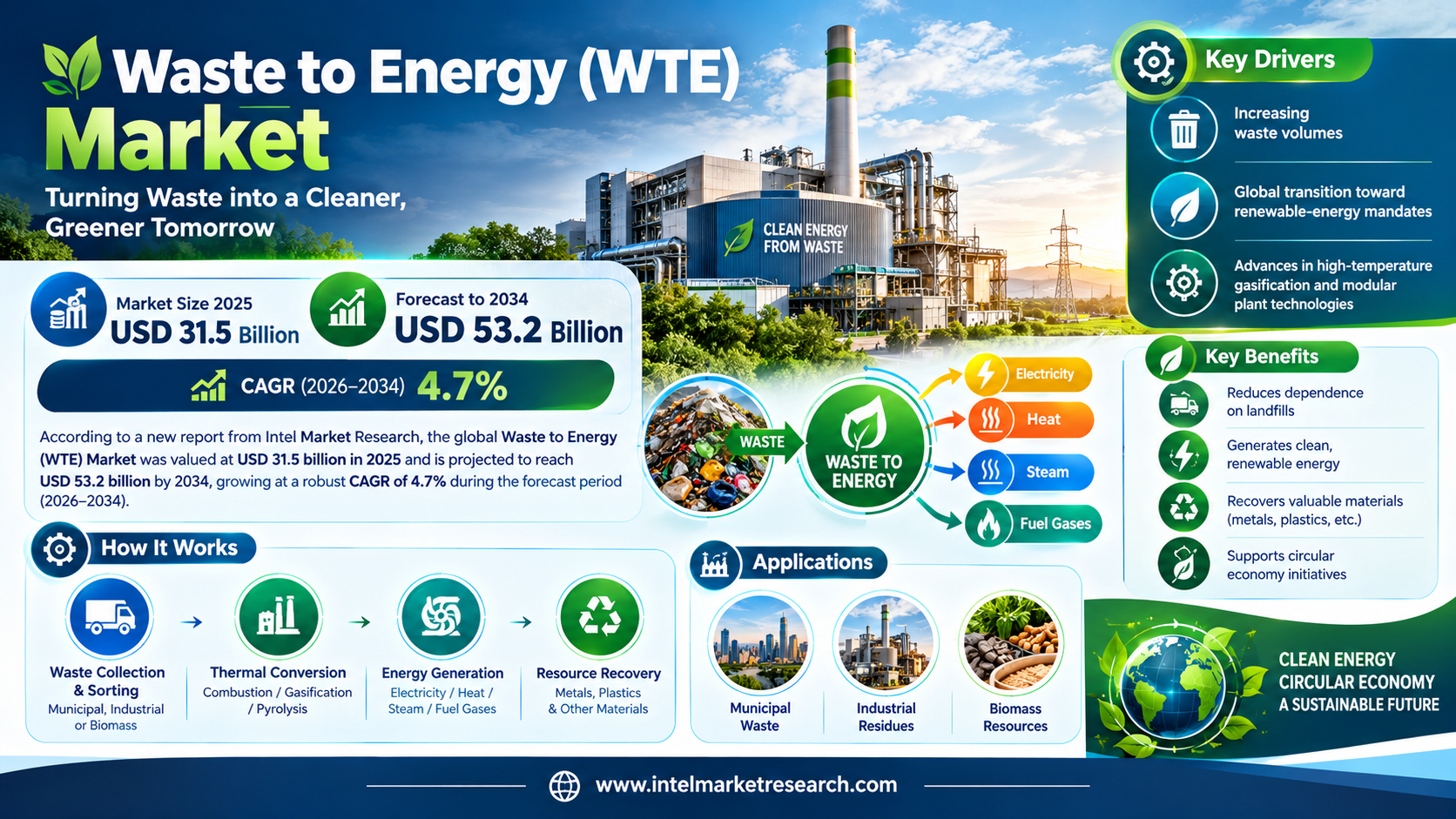
According to a new report from Intel Market Research, the global Waste to Energy (WTE) Market was valued at USD 31.5 billion in 2025 and is projected to reach USD 53.2 billion by 2034, growing at a robust CAGR of 4.7% during the forecast period (2026–2034). Market growth is being driven by increasing waste volumes, the global transition toward renewable-energy mandates, and advances in...
The Prostate Cancer Treatment Market is moving toward increasingly specialized approaches as cancer research and medical technology continue to advance. The development of more precise diagnostic and therapeutic tools is helping shape new possibilities for prostate cancer management. Future market developments are expected to be influenced by personalized medicine, targeted therapies, molecular...

A five-minute break used to mean checking messages or scrolling. Now, for many players, it means opening Casinolab and going straight into instant play games, no download, no signup detour, no app store wait. That’s the obvious draw. The deeper change is simpler, and a bit more interesting, mobile design has reshaped what a short session feels like. Why mobile players are choosing...

Non Woven Tape Market Summary According to Market Research Future®, Non Woven Tape Market Size is expected to register a CAGR of 5.64% from 2025 to 2035. Market growth is being supported by evolving industry requirements, technological advancements, expanding application areas, and increasing investment activity across global markets. Nonwoven tapes are...
