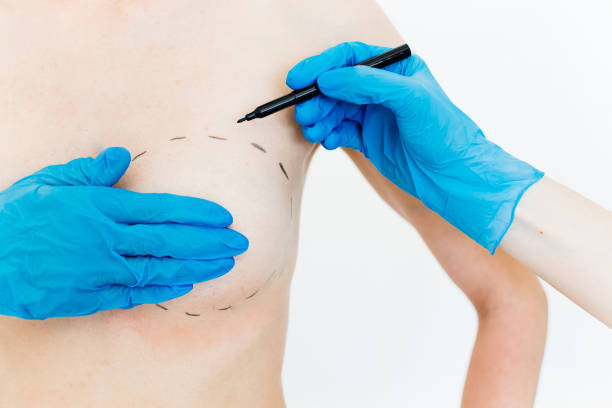
Many women focus their preparation on the surgery itself, but the reality is that breast implants are not “set it and forget it” devices . Long-term success depends on thoughtful surveillance and regular follow-up with your surgeon . Silicone Breast Implants in Riyadh (حشوات الثدي السيليكونية في الرياض) Understanding what happens at these appointments—and why they matter—is an essential part of your journey with Silicone Breast Implants in Riyadh.
The Immediate Post-Surgical Follow-Ups
Your first follow-up appointments occur soon after surgery to ensure proper healing. Your surgeon will typically see you within the first week after your procedure to check your incisions for signs of infection, monitor how your implants are settling, and remove any stitches . During these early visits, your surgeon may also address any concerns you have about pain, swelling, or mobility.
A second follow-up is usually scheduled around the two-week mark, followed by appointments at one month and several months out . These visits allow your surgeon to track your healing progress and ensure your implants are settling as expected.
The “Drop and Fluff” Phase: When to Expect Final Results
Your breasts will not look their final shape immediately after surgery. Immediately after placement, implants sit high on the chest and feel firm . Over the first few months, the pectoral muscle relaxes, the implants “drop” into their natural position, and the lower breast expands and rounds out . This process, known as the “drop and fluff” phase, typically takes 3 to 6 months .
Your surgeon will monitor this progression during follow-up visits. You may notice that the settling process can take up to a year for subtle changes to complete, but the major contour changes are usually visible by the six-month mark .
Long-Term Monitoring: The FDA Surveillance Schedule
A critical component of follow-up care for silicone implants is long-term surveillance to detect “silent ruptures.” Unlike saline implants, which deflate visibly when ruptured, silicone gel can remain contained within the scar tissue capsule around the implant, causing no symptoms at all .
The FDA recommends the following screening schedule for women with silicone breast implants :
-
First screening: 5 to 6 years after placement.
-
Subsequent screenings: Every 2 to 3 years thereafter.
These screenings are typically performed with ultrasound or MRI. Ultrasound has become an effective, accessible, and significantly more affordable option for routine implant screening . MRI remains the gold standard but is more expensive . Ultrasound can evaluate implant rippling, rupture, capsular contracture, and fluid collections around the implant .
Note: Implant ultrasound screening does not evaluate breast tissue for tumors or cancer. You should continue routine mammograms as recommended for your age group . Inform your mammography technician that you have implants so they can use special techniques to ensure a clear image of your breast tissue .
What Your Surgeon Assesses at Follow-Ups
During your follow-up appointments, your surgeon will typically assess:
-
Implant position and symmetry: Whether the implants have settled evenly and maintained their placement .
-
Capsular contracture: Scar tissue that tightens around the implant, which can cause firmness, pain, or distortion .
-
Implant integrity: Signs of rupture or leakage (more relevant at scheduled screening visits) .
-
Scar healing: Whether your incisions are healing properly and how your scars are maturing .
-
Your general health and well-being: Any new symptoms, pain, or changes you have noticed.
Revision Surgery: Understanding That Implants Are Not Lifetime Devices
Breast implants have an average lifespan of 10 to 20 years, though many women keep them longer without issues . Replacement is usually driven by a complication (such as rupture or capsular contracture) or a personal preference to change size or shape . Your surgeon will discuss the potential need for future revision surgery during your consultation, helping you make a fully informed decision about your long-term commitment .
For those seeking expert guidance and customized aesthetic care, you can book an appointment consultation at the 'Enfield Royal Riyadh (إنفيلد رويال الرياض).'
Frequently Asked Questions
When should I have my first follow-up after breast augmentation?
Your first follow-up is usually within the first week after surgery to check incisions, monitor implant position, and remove stitches .
How long does the “drop and fluff” phase take?
The settling process typically takes 3 to 6 months, during which the implants soften and move into their natural position .
How often should I have my silicone implants screened?
The FDA recommends screening with ultrasound or MRI starting 5 to 6 years after surgery, then every 2 to 3 years after .
What is a “silent rupture” and why should I screen for it?
A silent rupture is when a silicone implant shell breaks without causing symptoms. The gel remains contained, making it detectable only through imaging .
Will a mammogram affect my implants?
Mammograms can be safely performed with implants; inform your technician so they can use special imaging techniques to get a clear view of your breast tissue .