


How Can I Tell If My Electrical Panel Is Overloaded?
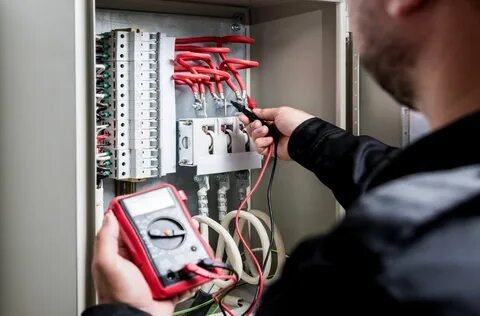
An overloaded electrical panel means your home's electrical system is being asked to handle more power than it can safely provide. Warning signs often include frequent breaker trips, flickering lights, warm outlets, burning smells, or difficulty running multiple appliances at the same time. While some issues are easy to notice, others develop slowly behind the scenes. Recognizing these signs early can help prevent equipment damage, electrical failures, and potential safety risks.
Start by Paying Attention to How Your Home Uses Power
Modern homes rely on electricity for almost everything. Air conditioners, kitchen appliances, entertainment systems, computers, electric vehicles, and smart devices all add demand to the electrical system. Older homes may struggle because their panels were designed for a time when families used much less power.
Many homeowners searching for an electrician in New Braunfels TX are dealing with electrical panels that were never upgraded after adding new appliances or remodeling parts of the home. A panel that once handled daily needs may no longer be enough for today's electrical demands. Understanding how your home uses electricity is the first step in identifying whether the panel is overloaded.
Frequent Breaker Trips Are a Major Warning Sign
A circuit breaker is designed to protect your home by shutting off power when a circuit becomes overloaded. If a breaker trips once because too many devices were running, it may not be a serious concern. However, repeated trips are usually a sign that something needs attention.
Some homeowners keep resetting breakers and continue using the same outlets. This does not solve the problem. The breaker is reacting to an unsafe condition, and ignoring it can put extra stress on wiring and electrical components.
Flickering Lights May Point to Electrical Stress
Lights that dim or flicker when appliances start can be another sign that your electrical system is struggling. Large appliances such as air conditioners, dryers, and refrigerators require more power when their motors turn on.
A brief dimming may happen in some homes, but frequent flickering should be checked. If multiple lights throughout the house change brightness when appliances operate, the issue may involve the electrical panel, wiring, or the connection supplying power to the home.
Warm Outlets and a Hot Panel Should Not Be Ignored
Electricity creates heat, but properly working electrical components should not feel hot during normal operation. Warm outlets, switches, or areas around the electrical panel can indicate excessive electrical load or a loose connection.
I always recommend taking unusual heat seriously. A warm outlet may seem like a small issue, but it can point to resistance in the electrical connection. Over time, that resistance creates more heat and increases the chance of component failure.
Your Home Has More Appliances Than the Panel Can Handle
One of the most common reasons panels become overloaded is that homeowners add more electrical equipment without upgrading the system. A new HVAC unit, electric water heater, workshop tools, or electric vehicle charger can significantly increase demand.
The issue is not always the appliance itself. The problem may be that the existing panel and circuits were not designed for the additional load. A proper electrical evaluation can determine whether your current system has enough capacity.
Older Panels May Not Match Modern Electrical Needs
Many older homes were built with smaller electrical services. A panel that worked well decades ago may not provide enough capacity for current household demands.
I have seen homeowners replace appliances and upgrade their homes while keeping the same electrical setup from many years ago. The house looks updated, but the electrical system behind the walls may still be outdated. In these cases, an inspection can reveal whether upgrades are needed.
How Professionals Check for Panel Overload
Finding an overloaded panel requires more than looking at the breaker switches. A trained professional checks the panel size, circuit layout, wiring condition, and the amount of electrical demand placed on the system.
During an inspection involving APEX Electrical A/C And Heating LLC, I noticed that experienced technicians focused on the full picture instead of only replacing breakers. They reviewed how power was being distributed throughout the home and looked for signs of stress that might not be obvious to the homeowner. This approach helps identify the actual cause and avoids temporary fixes.
Common Signs Your Electrical Panel May Be Overloaded
Electrical problems often provide warning signs before a major failure happens. Knowing what to watch for can help you take action before the situation becomes more serious.
- Breakers trip frequently when appliances are running.
- Lights dim when large equipment starts.
- You need multiple extension cords to power devices.
- Outlets feel warm or show discoloration.
- You hear buzzing sounds near the panel.
- Your home still has an old fuse box or outdated panel.
- New appliances cause repeated electrical issues.
These signs do not always mean the panel must be replaced, but they indicate that the electrical system should be evaluated.
What You Should Avoid Doing
When homeowners notice electrical problems, some try quick fixes that can create more risk. Replacing a breaker with a higher-rated one without checking the wiring is one example. The breaker size must match the circuit design and wire capacity.
Avoid adding more power strips or extension cords as a long-term solution. These options may help temporarily, but they do not increase the amount of electricity your home can safely handle.
Electrical panels contain dangerous components even when some breakers are turned off. Repairs and upgrades should always be handled by someone with proper training and equipment.
When a Panel Upgrade May Be Necessary
Not every overloaded panel requires a complete replacement. Sometimes adding a dedicated circuit or correcting an electrical issue solves the problem. However, homes with outdated panels, frequent overloads, or major new electrical demands may benefit from an upgrade.
A modern electrical panel can provide better organization, improved safety features, and enough capacity for today's appliances. The right solution depends on the condition of your current system and your home's future electrical needs.
Final Thoughts
An overloaded electrical panel is not always obvious at first, but your home usually provides warning signs. Frequent breaker trips, flickering lights, warm outlets, and trouble powering appliances are all reasons to pay attention. Instead of waiting for a serious electrical problem, have the system evaluated when these signs appear. A properly sized and maintained electrical panel helps protect your home, appliances, and family while providing reliable power for everyday needs.
Categories
- Artificial Intelligence (AI)
- Technology
- Business
- Education
- Science
- Lifestyle
- Healthcare
- Entertainment
- Politics
- Environment
- Travel
- Finance
- Automobile
- News
- Art
- Causes
- Crafts
- career
- Dance
- Drinks
- Film
- Fitness
- Food
- Games
- Gardening
- Health
- Home
- Literature
- Music
- Networking
- Other
- Party
- Religion
- Shopping
- Sports
- Theater
- Wellness
Read More
A New Era of Interactive Entertainment Online games in Canada continue to capture the attention of people from every age group because they combine creativity, innovation, and accessibility in ways that were difficult to imagine only a few years ago. Modern platforms focus on delivering immersive experiences that encourage exploration, quick thinking, and enjoyable challenges....

According to the latest report published by Data Bridge Market Research, the Solar Photovoltaic Glass Market The global Solar Photovoltaic Glass market size was valued at USD 9.88 billion in 2024 and is expected to reach USD 84.65 billion by 2032, at a CAGR of 30.80% during the forecast period. The large scale Solar Photovoltaic Glass Marketing report...
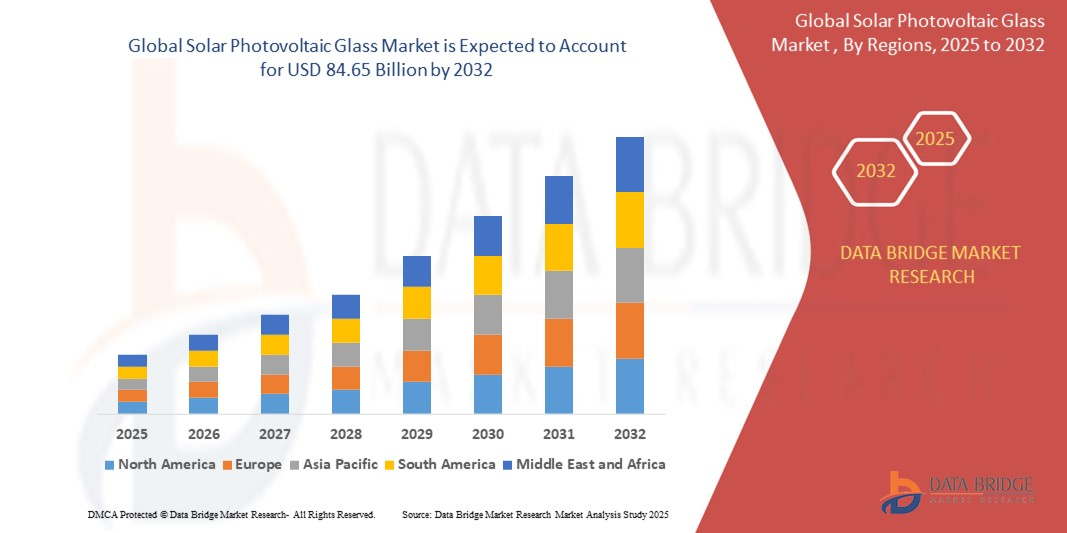
According to the latest report published by Data Bridge Market Research, the Passive Matrix Liquid Crystal Display Market The passive matrix liquid crystal display market which was growing at a value of 7.08 billion in 2021 and is expected to reach the value of USD 18.23 billion by 2029, at a CAGR of 12.55% during the forecast period of 2022-2029. The market research data involved in...

The Kidney Dialysis Equipment Market is expanding as the need for renal care continues to rise worldwide. MRFR estimates that the market will grow from USD 16.77 billion in 2025 to USD 24.98 billion by 2035, registering a 4.07% CAGR during 2025–2035. Dialysis technology is evolving with greater attention to automation, portability, and patient comfort. Home dialysis equipment, improved...

The Germany Precision Medical Device Market is expanding as healthcare providers adopt more accurate, minimally invasive, and technology-driven solutions. MRFR estimates the market at USD 2.0 billion in 2024, rising to USD 2.13 billion in 2025 and reaching USD 3.85 billion by 2035, at a 6.15% CAGR during 2025–2035. Artificial intelligence, machine learning, robotics, and 3D printing are...
