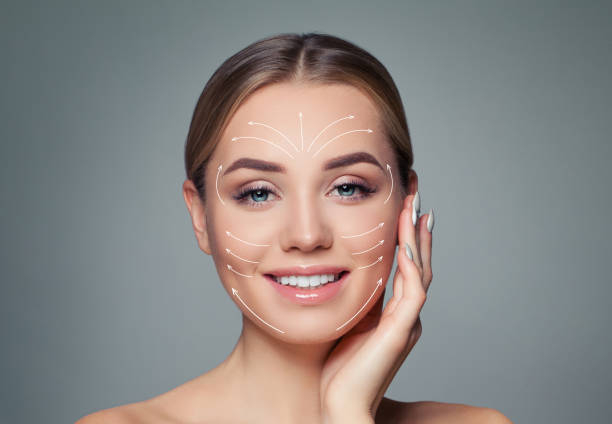
Facial aging rarely affects just one area. While sagging cheeks, jowls, and loose skin may be the main concerns, patients can also notice volume loss, eyelid changes, fine lines, or reduced definition around the neck. facelift in riyadh can address significant facial laxity, and in selected cases, it may be combined with other facial rejuvenation procedures to create a more balanced overall result.
Why Combine Facial Rejuvenation Procedures?
Different cosmetic procedures address different aspects of facial aging. A facelift primarily focuses on sagging skin and underlying facial tissues, while other treatments may target volume, eyelid concerns, skin texture, or specific wrinkles.
Combining procedures can allow several concerns to be addressed as part of one personalized treatment plan rather than treating each issue separately.
Addressing Multiple Signs of Aging
A patient may have loose lower-face skin together with tired-looking eyes or reduced facial volume. Treating only one concern may leave other visible signs of aging unchanged.
Creating More Balanced Facial Contours
A carefully planned combination can help different areas of the face complement one another. The goal is generally to refresh the overall appearance while preserving natural facial proportions.
Facelift and Neck Lift
A neck lift is one of the procedures that may be performed alongside a facelift when aging affects both the lower face and neck.
Improving the Jawline and Neck
A facelift can address sagging around the cheeks and jawline, while a neck lift can target loose skin and tissue beneath the chin and around the neck. Together, these procedures may create a smoother transition between the lower face and neck.
When This Combination May Be Considered
Patients with jowls, significant lower-face laxity, and neck concerns may benefit from discussing both procedures during consultation. The appropriate approach depends on individual anatomy and the degree of tissue laxity.
Facelift and Eyelid Surgery
Eyelid surgery, also known as blepharoplasty, focuses on changes around the upper or lower eyelids. It may be considered when facial aging involves both the mid-to-lower face and the eye area.
Addressing Different Facial Areas
A facelift does not directly correct loose eyelid skin or certain concerns around the eyes. Eyelid surgery can specifically address these areas when appropriate, creating a more comprehensive facial rejuvenation plan.
Maintaining Natural Features
Careful planning is important when combining facial procedures. The objective should be to refresh the face without creating an appearance that looks excessively altered.
Facelift and Fat Transfer
Facial volume loss can occur alongside skin and tissue laxity. Fat transfer may sometimes be considered to restore volume to selected areas of the face.
Restoring Facial Volume
Small amounts of the patient's own fat may be transferred to areas where volume has decreased. This can be used to complement structural improvements from a facelift when clinically appropriate.
Why Volume and Skin Laxity Are Different
A facelift primarily addresses tissue descent and excess skin. It does not automatically restore all volume that may have been lost with age. A personalized assessment can determine whether volume restoration would complement the surgical plan.
Facelift and Skin Rejuvenation Treatments
Some patients may also have concerns such as uneven skin tone, sun-related changes, fine lines, or rough texture. These issues are different from structural facial laxity and may require skin-focused treatments.
Improving Skin Quality
Laser treatments, chemical peels, or other professional skin treatments may be considered to improve certain surface-level concerns. These treatments can complement a facelift but should be planned carefully around surgery and the healing process.
Understanding the Difference
A facelift can reposition facial tissues and address sagging, but it does not remove every wrinkle, pigmentation concern, or skin-texture irregularity. Combining structural and skin-focused treatments may provide a more comprehensive approach when appropriate.
How Doctors Decide Which Procedures to Combine
Facelift in Riyadh should be planned according to the patient's specific facial anatomy rather than using the same combination for everyone.
Facial Assessment
During consultation, the surgeon may assess skin elasticity, tissue laxity, facial volume, jawline definition, neck appearance, eyelids, and overall facial proportions.
Medical History and Treatment Goals
Previous procedures, general health, medications, lifestyle factors, and individual expectations may also influence which procedures are appropriate.
Recovery Considerations
Combining procedures can affect the recovery experience. The surgeon should explain what to expect, including swelling, bruising, activity restrictions, follow-up care, and the overall healing process.
Can Non-Surgical Treatments Be Combined With a Facelift?
Non-surgical treatments may sometimes be incorporated into a broader facial rejuvenation plan. However, the timing of these treatments is important because some procedures may need to be postponed until the surgical areas have sufficiently healed.
Injectable Treatments
Injectables may address selected concerns such as facial volume or expression-related lines. Whether they are appropriate before or after surgery depends on the individual treatment plan.
Skin Treatments
Professional skincare or resurfacing treatments may help improve skin quality, but they should only be used according to the surgeon's recommendations during the surgical recovery period.
What Are the Benefits of a Personalized Combination Approach?
A personalized plan can focus on the areas that contribute most to a patient's concerns rather than automatically adding multiple procedures.
Facelift in Riyadh may serve as the structural component of treatment when significant laxity is present, while complementary procedures can address concerns that a facelift alone does not treat.
This approach can help ensure that every procedure has a clear purpose and contributes to the overall treatment goal.
What Should You Discuss During a Consultation?
Patients considering combined facial procedures should discuss their desired appearance, concerns about specific facial areas, previous cosmetic treatments, medical history, and expectations for recovery.
A qualified surgeon can explain which procedures may be suitable, which combinations are unnecessary, and how the treatments may affect recovery and results.
Book an Appointment
If you are considering a facelift along with other facial rejuvenation treatments, a professional consultation can help you understand which combination may suit your facial concerns. Royal Clinic Saudia can provide an opportunity to discuss your goals, treatment options, recovery expectations, and personalized facial rejuvenation plan with a qualified medical professional.
FAQs:
Can a facelift be combined with a neck lift?
Yes. A facelift and neck lift may be combined when both the lower face and neck show noticeable signs of laxity.
Can eyelid surgery be performed with a facelift?
It may be possible when both facial and eyelid concerns are present and the patient is considered suitable for the combined approach.
Does a facelift restore lost facial volume?
A facelift primarily addresses sagging and tissue laxity. Additional volume restoration may require a separate treatment such as fat transfer.
Is combining procedures always better than having one procedure?
Not necessarily. The appropriate treatment depends on individual concerns, anatomy, health, and goals.