


The Digital Revolution of Real Estate: A Comprehensive Proptech Industry Overview

For decades, the real estate sector remained one of the most traditional and largest asset classes, often slow to embrace technological change. That era has definitively ended. The global Proptech industry has emerged as a powerful force, systematically infusing technology into every facet of the property lifecycle, from design and construction to transactions and management. This broad and dynamic industry encompasses a vast array of digital solutions, including software, hardware, and data analytics, all aimed at improving efficiency, enhancing transparency, and creating a more user-centric experience for all stakeholders. Whether it's using virtual reality for immersive property tours, leveraging artificial intelligence for accurate property valuations, or employing IoT sensors to create smart, sustainable buildings, Proptech is fundamentally rewiring the operational DNA of the real estate world. It is no longer a niche segment but a foundational pillar of modern property commerce and asset management, attracting billions in venture capital and forcing incumbents to either adapt or risk obsolescence in this new digital-first landscape.
The Core Segments: Deconstructing the Proptech Ecosystem
The Proptech industry is not a single entity but a vibrant ecosystem composed of several key segments, each addressing a specific part of the real estate value chain. One of the largest segments is "Smart Real Estate," which focuses on the operation and management of physical buildings. This includes Building Management Systems (BMS), Internet of Things (IoT) sensors for monitoring energy usage and occupancy, and smart home technology that enhances the tenant experience. Another critical segment is "Real Estate Fintech," which digitizes financial transactions. This includes online mortgage lending platforms, real estate crowdfunding sites that democratize property investment, and blockchain technologies exploring transparent title transfers and tokenization of assets. A third major area is the "Shared Economy," popularized by giants like WeWork (co-working) and Airbnb, which reimagined how space is utilized and monetized. Finally, "Contech" (Construction Technology) focuses on digitizing the construction process through tools like Building Information Modeling (BIM), drones for site surveying, and prefabricated construction methods, all contributing to faster, safer, and more cost-effective building projects.
The Driving Forces: Why Proptech is Exploding Now
The rapid acceleration of the Proptech industry can be attributed to a confluence of powerful driving forces. Firstly, there has been a significant shift in consumer and business expectations. A new generation of tenants and buyers, accustomed to the seamless digital experiences offered by companies like Amazon and Netflix, now demand the same level of convenience and transparency from their real estate providers. Secondly, the sheer volume of data now available is a massive catalyst. Proptech platforms are built to harness this data, providing unprecedented insights into market trends, asset performance, and user behavior. Thirdly, the urgent need for sustainability is a powerful driver. "Green Proptech" solutions that help building owners reduce energy consumption, monitor carbon emissions, and improve overall environmental performance are in high demand, driven by both regulatory pressures and investor demand for ESG (Environmental, Social, and Governance) compliance. Finally, the massive influx of venture capital has provided the fuel for innovation, allowing thousands of startups to develop and scale new solutions to tackle the industry's long-standing inefficiencies.
The Future Vision: Towards an Intelligent and Integrated Built World
Looking ahead, the future of the Proptech industry is one of integration and intelligence. The current phase, characterized by numerous point solutions, is evolving towards a more cohesive, platform-based approach. The future vision is an interconnected "property operating system" where data flows seamlessly between different systems—from construction and leasing to operations and finance. Artificial intelligence (AI) and machine learning (ML) will be at the heart of this evolution, moving from descriptive analytics (what happened) to predictive and prescriptive insights (what will happen and what we should do). Imagine buildings that can automatically adjust their energy usage based on predicted weather patterns and real-time occupancy, or investment platforms that can identify undervalued properties with a high degree of accuracy. This future promises not just more efficient buildings and transactions, but a more responsive, sustainable, and human-centric built environment, fundamentally changing how we live, work, and interact with the physical spaces around us.
➤ In-Depth Market Studies by Market Research Future:
Ai In Telecommunication Market
Categories
- Artificial Intelligence (AI)
- Technology
- Business
- Education
- Science
- Lifestyle
- Healthcare
- Entertainment
- Politics
- Environment
- Travel
- Finance
- Automobile
- News
- Art
- Causes
- Crafts
- career
- Dance
- Drinks
- Film
- Fitness
- Food
- Games
- Gardening
- Health
- Home
- Literature
- Music
- Networking
- Other
- Party
- Religion
- Shopping
- Sports
- Theater
- Wellness
Read More
According to Market Research Future®, the Antimony Market Size was valued at USD 2,334.2 million in 2024 and is projected to grow from USD 2,455.5 million in 2025 to USD 4,076.7 million by 2035, registering a CAGR of 5.20% during the forecast period. The global antimony market is entering a period of steady expansion as demand for flame-retardant materials, lead-acid batteries, specialty...

Lonavala is a beautiful hill station in Maharashtra and one of the most popular destinations for a quick weekend escape. Located between Mumbai and Pune, the town is surrounded by green hills, valleys, waterfalls, lakes, and scenic viewpoints. Its peaceful atmosphere makes it a great choice for families, couples, and groups of friends. If you are planning a trip and looking for comfortable...

The Hyperhidrosis Treatment Market is expanding as awareness of excessive sweating disorders increases and patients seek effective, convenient, and minimally invasive treatment options. According to Market Research Future, the market was valued at approximately USD 1.01 billion in 2024 and is projected to reach USD 1.89 billion by 2035, registering a CAGR of 5.9% during 2025–2035....
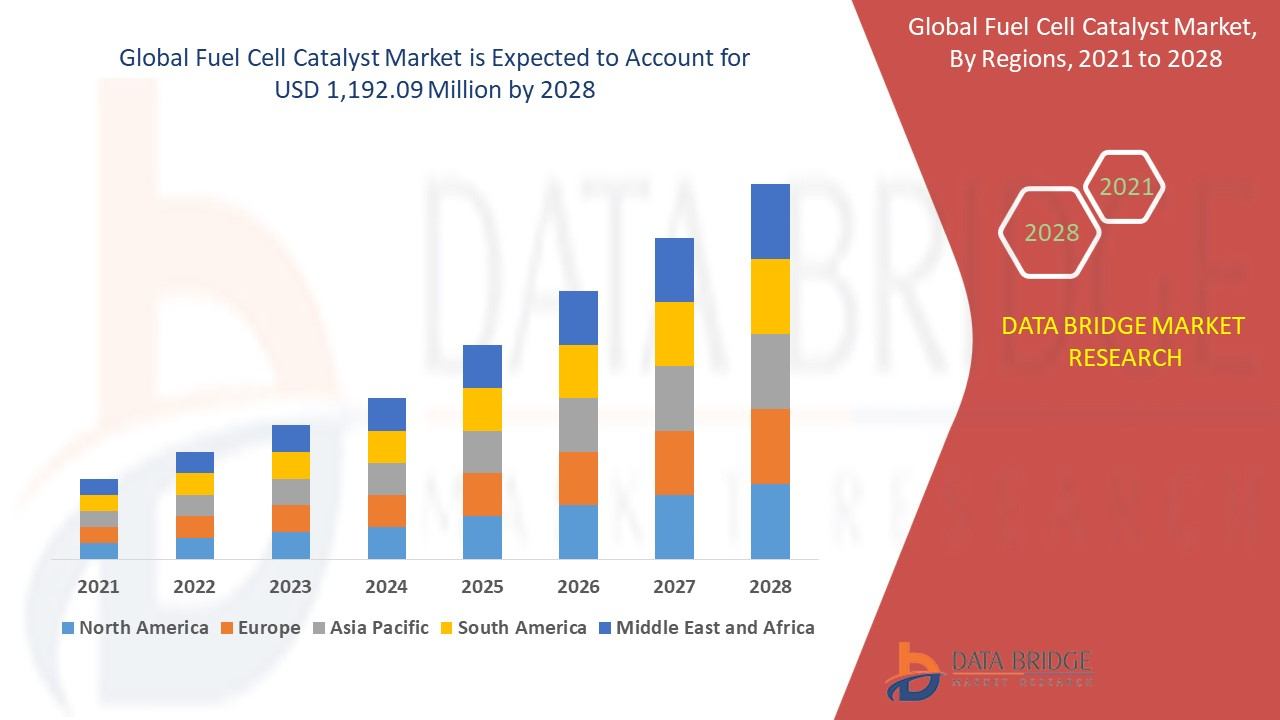
According to the latest report published by Data Bridge Market Research, the Fuel Cell Catalyst Market CAGR Value The global fuel cell catalyst market size was valued at USD 488.28 million in 2024 and is projected to reach USD 2,910.38 million by 2032, with a CAGR of 25.00% during the forecast period of 2025 to 2032. With the clear understanding of customer requirement,...
The North America underbalanced drilling market is experiencing steady growth due to increasing demand for efficient hydrocarbon extraction and enhanced well productivity. Underbalanced drilling techniques help minimize formation damage, improve drilling performance, and reduce operational costs, making them a preferred choice in complex oil and gas reservoirs across the...
