


Who Is a Good Candidate for Eyelid Surgery?
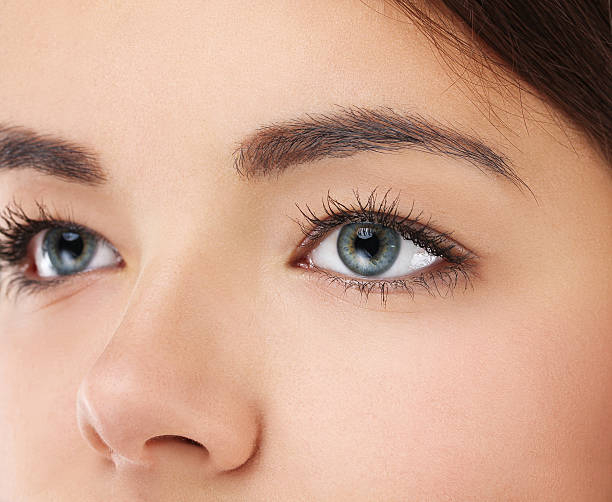
Eyelid surgery can be an option for people who are concerned about changes around the eyes, including excess skin, under-eye bags, puffiness, or a tired-looking appearance. However, not everyone needs or is suitable for the procedure. Eyelid Surgery in Riyadh is best considered after an individualized consultation where a qualified surgeon can evaluate the eyelids, surrounding tissues, general health, and personal goals. Understanding the characteristics of a good candidate can help you determine whether it is worth discussing the procedure with a medical professional.
What Makes Someone a Good Candidate?
A good candidate is generally someone with a specific concern that can potentially be improved through eyelid surgery and who has realistic expectations about the outcome. The procedure is not intended to create identical eyes or completely transform someone's face. Instead, it focuses on improving selected eyelid features while maintaining natural facial proportions. Eyelid Surgery in Riyadh may be considered when concerns are caused by excess skin, prominent fat, or other age-related structural changes that can be appropriately addressed through surgery.
Realistic Expectations
Having realistic expectations is one of the most important factors when considering eyelid surgery. A patient should understand that surgery can improve certain physical features but cannot stop the natural aging process. Results can also vary depending on skin quality, anatomy, healing, and the surgical technique. Discussing desired outcomes openly during consultation helps establish achievable goals.
Common Reasons People Consider Eyelid Surgery
People may consider eyelid surgery for both cosmetic and functional reasons. Upper eyelid concerns can include excess skin or a heavy-looking eyelid, while lower eyelid concerns may involve under-eye bags, puffiness, or loose skin. In some cases, significant excess upper-eyelid skin may interfere with the upper field of vision. A professional assessment is necessary to determine whether surgery can address the specific concern.
Upper Eyelid Concerns
Loose or excess skin on the upper eyelids can make the eyes appear smaller, heavier, or more tired. Some individuals may also notice that their natural eyelid crease has become less defined. Upper blepharoplasty can address carefully selected excess tissue when appropriate, creating a smoother and more defined contour.
Lower Eyelid Concerns
Lower eyelid surgery is often considered by people concerned about persistent under-eye bags or changes in the contour beneath the eyes. Depending on the individual's anatomy, treatment may involve addressing excess skin, repositioning fat, or improving the transition between the lower eyelid and cheek.
Health and Eye-Related Factors
General health is an important consideration before any elective surgical procedure. During consultation, the medical team may review your health history, medications, allergies, previous operations, and any existing eye-related concerns. Conditions affecting the eyes or eyelids may require additional evaluation before surgery is considered.
Importance of Eye Health
The eyelids play an important role in protecting and lubricating the eyes. Problems such as significant dry eye symptoms, eyelid-position abnormalities, or other eye conditions may influence treatment planning. Patients should provide complete information about existing eye symptoms so the surgeon can determine whether additional assessment is necessary.
Is Age an Important Factor?
There is no single age that automatically makes someone a suitable or unsuitable candidate. People experience eyelid changes differently due to genetics, lifestyle, and natural aging. Some may develop noticeable excess skin or under-eye bags earlier than others. Instead of focusing only on age, surgeons consider the patient's anatomy, concerns, overall health, and expectations.
Genetics Can Play a Role
Not every eyelid concern is caused by aging. Genetics can contribute to naturally prominent eyelid fat, under-eye bags, or differences in eyelid structure. Someone who has these features at a younger age may still consider surgery if they are appropriate for the procedure and have realistic expectations.
Who May Need to Postpone Surgery?
Certain circumstances may mean that surgery should be delayed or approached with additional caution. For example, an active eye problem, an untreated medical issue, or an inability to follow post-operative instructions may affect suitability. Patients should be open with their surgeon about their current health and any medications they take. The medical team can then determine whether additional preparation or evaluation is needed.
Lifestyle and Recovery Considerations
Eyelid surgery requires a period of healing and appropriate aftercare. Candidates should be willing to follow instructions regarding activity, wound care, follow-up visits, and protection of the treated area. Having realistic expectations about temporary swelling and bruising can also make the recovery process easier to manage.
What Happens During a Candidate Assessment?
A consultation allows the surgeon to examine the eyelids and determine what is contributing to the patient's concerns. The assessment may include looking at skin laxity, fat distribution, eyelid position, facial symmetry, brow position, and surrounding structures. The surgeon may also discuss previous procedures and relevant medical or eye history.
Personalized Treatment Planning
Once the assessment is complete, the surgeon can explain whether upper eyelid surgery, lower eyelid surgery, or another approach may be appropriate. Not every concern requires surgery, and in some cases an alternative treatment may be more suitable. A personalized plan helps ensure that the recommended procedure is based on the patient's actual anatomy rather than a generic template.
Questions to Ask Before Surgery
Patients should feel comfortable asking questions during their consultation. Useful topics include the recommended surgical technique, expected results, recovery, potential risks, aftercare, and follow-up schedule. Understanding these details allows patients to make a decision based on realistic information rather than assumptions.
Understanding Potential Risks
Like all surgical procedures, eyelid surgery has potential risks. These can include swelling, bruising, infection, scarring, asymmetry, irritation, and changes in eyelid position or function. More serious complications are uncommon but possible. A qualified surgeon should explain the risks relevant to the individual's circumstances before treatment.
Why Choosing the Right Surgeon Matters
The area around the eyes contains delicate tissues that require careful handling and precise planning. Eyelid Surgery in Riyadh should be performed only after an appropriate medical assessment and discussion of individual goals. Choosing a qualified and experienced surgical team can help patients understand their options, prepare appropriately, and develop realistic expectations about the procedure and recovery.
Book an Appointment at Royal Clinic Saudia
If you are wondering whether you could be a suitable candidate for eyelid surgery, consider booking a consultation with Royal Clinic Saudia. A professional assessment can evaluate your individual eyelid concerns, discuss your goals, and explain whether surgery may be appropriate for you. Personalized medical guidance is the best way to understand your options and take the next step with confidence.
Categories
- Artificial Intelligence (AI)
- Technology
- Business
- Education
- Science
- Lifestyle
- Healthcare
- Entertainment
- Politics
- Environment
- Travel
- Finance
- Automobile
- News
- Art
- Causes
- Crafts
- career
- Dance
- Drinks
- Film
- Fitness
- Food
- Games
- Gardening
- Health
- Home
- Literature
- Music
- Networking
- Other
- Party
- Religion
- Shopping
- Sports
- Theater
- Wellness
Read More
Automotive Gearbox Market is benefiting from the growing emphasis on reducing vehicle emissions and improving fuel efficiency. Automotive manufacturers are integrating advanced gearbox technologies to meet evolving regulatory standards. This trend is encouraging continuous product development and innovation. The automotive gearbox market is projected to grow from US$ 234.62...

تُعتبر مشكلة تساقط الشعر وفقدان كثافته من أكثر التحديات الجمالية والصحية التي تؤرق الرجال والنساء على حدٍ سواء في عصرنا الحالي. ومع التطور المتسارع في مجالات الطب التجميلي والعلاج الخلوي، أصبحت تقنية البلازما الغنية بالصفائح الدموية (PRP) الخيار الطبيعي والآمن الأكثر إقبالاً لتجديد بصيلات الشعر وتنشيط نموها. يتطلع آلاف الأشخاص سنوياً إلى خوض تجربة حقن البلازما للشعر في دبي للوصول إلى نتائج...
The Biodegradable Films Market is gaining strong attention as industries and consumers increasingly seek sustainable alternatives to conventional plastic films. Biodegradable films are designed to break down under specific environmental conditions through biological activity, reducing long-term plastic waste. These films are widely used in food packaging, agriculture, healthcare,...
India Tile Adhesive Market Summary The India Tile Adhesive market size was estimated at USD 1.78 billion in 2024. The industry is projected to grow from USD 2.02 billion in 2025 to USD 7.13 billion by 2035, exhibiting a compound annual growth rate (CAGR) of 13.4% (2025–2035), driven by expanding construction activities and modernization in building materials...
According to Market Research Future®, the Ethanol Market is projected to grow from $105.06 Billion in 2025 to $201.36 Billion by 2035, registering a CAGR of 6.72% during the 2025–2035 forecast period. Market development is being supported by sustainability initiatives, technological advancements and regulatory support across major ethanol applications. Get Sample Report PDF|...
