What Makes Gangnammould Dirty Clothes Basket Mold Design Worth Considering
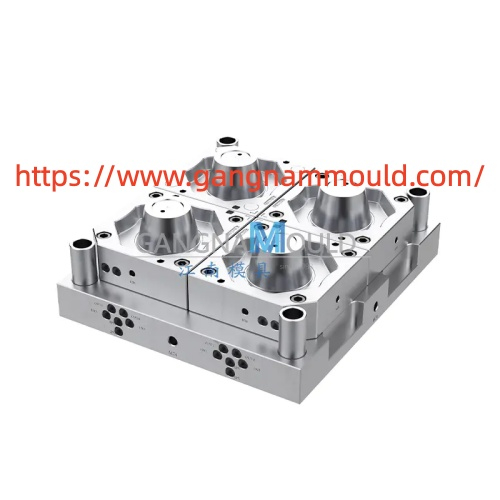
Dirty Clothes Basket Mold design can have a direct influence on product quality because the tooling determines how molten plastic enters the cavity, fills the structure, cools, and is released. For manufacturers producing household storage products, the relationship between product geometry and tooling structure deserves careful attention. A suitable engineering approach can help manage dimensional consistency, surface appearance, deformation, and production rhythm while keeping the manufacturing process practical.
One of the key considerations is product geometry. A household basket usually contains a large open area, multiple ventilation openings, side ribs, a reinforced rim, and sometimes handles or other functional details. These features create different flow and cooling conditions inside the cavity. When the wall structure changes significantly from one area to another, the plastic may cool at different rates. This can influence shrinkage and shape stability.
Wall thickness should therefore be reviewed during the early design stage. A balanced structure can make material flow and heat transfer easier to manage. Excessively thick sections may retain heat for longer, while very thin sections can make filling more demanding. The relationship between ribs and surrounding walls also deserves attention because reinforcement needs to provide useful support without creating unnecessary material concentration.
Gate placement is another important factor. The entry point determines how molten material travels through the cavity. For a large household container with numerous openings, an unsuitable position can increase flow distance or create an uneven filling pattern. Multiple gates may be considered for certain designs when the geometry requires better flow balance. Gate location should also take potential weld lines and visible marks into account. Industry examples show that gate planning is closely connected with filling pressure and material flow behavior.
Cooling deserves particular attention because large plastic components can contain areas with different thermal conditions. Research on injection molding has shown that cooling system design can influence both production productivity and final product quality. For household baskets, cooling channels need to correspond with the actual geometry rather than simply following a standard arrangement.
Areas around thick rims, ribs, corners, and intersections may require additional thermal consideration. If one region remains hot while another region cools more quickly, uneven shrinkage may occur. This can affect the final shape and may make later handling or assembly more difficult. Proper channel positioning and coolant circulation can therefore contribute to a more predictable production process.
Venting is another detail that can affect the finished appearance. When plastic moves into a cavity, displaced air needs suitable paths to escape. Insufficient ventilation can contribute to trapped air, burn marks, incomplete filling, or other surface concerns. Basket products with many openings and thin structural sections can require careful attention to vent locations, particularly near the end of material flow.
The parting structure also matters. Products with numerous openings require a practical separation arrangement so that the cavity and core can open without damaging delicate edges. A suitable parting surface can also help manage flash around openings. Some basket tooling designs use specialized core pulling arrangements to handle hollow structures and side features during opening. A recent patent related to a large hollow plastic storage basket describes a four slider synchronous core pulling structure for forming hollow sections and integrated handle features.
Ejection should be considered together with the product structure. Large thin wall components may be sensitive to uneven release forces. If ejectors are positioned around fragile ribs or narrow openings, visible marks or local deformation may appear. A balanced release arrangement can distribute force across suitable structural areas and help the component leave the cavity smoothly.
Surface treatment is another factor buyers may discuss with a tooling manufacturer. Depending on the intended appearance, the cavity may require polishing, texture processing, or other finishing methods. The selected surface condition should correspond with the product appearance and material requirements. It is useful to establish these details before machining begins so that the tooling process follows a clear specification.
Material selection should also be connected with engineering decisions. Common household plastics can have different flow characteristics, shrinkage behavior, and processing requirements. The selected resin should therefore be considered when planning gates, cooling, wall thickness, and release methods. This coordinated approach can reduce the chance of discovering avoidable production concerns only after the tooling has entered trial production.
Gangnammould can work with customer drawings and product requirements to develop customized plastic tooling solutions for household applications. Engineering considerations can be reviewed according to product dimensions, structural details, material selection, expected production volume, and required appearance. This allows the tooling plan to be connected with the practical needs of the finished product.
For buyers, it is useful to discuss more than cavity dimensions when evaluating a supplier. Questions about cooling access, gate location, ventilation, ejection, material compatibility, maintenance, and trial production can provide a clearer understanding of how the tooling will perform during regular manufacturing. Early communication can also make later modifications easier to manage.
The goal of good tooling design is not simply to reproduce a product shape. It is to create a workable relationship between material flow, temperature control, structural support, release, maintenance, and production requirements. When these factors are considered together, manufacturers have a clearer foundation for producing household plastic products with consistent dimensions and practical manufacturing characteristics.
For companies planning a new household storage project, Gangnammould provides customized tooling solutions based on different product structures and production requirements. You can visit https://www.gangnammould.com/
Categories
- Artificial Intelligence (AI)
- Technology
- Business
- Education
- Science
- Lifestyle
- Healthcare
- Entertainment
- Politics
- Environment
- Travel
- Finance
- Automobile
- News
- Art
- Causes
- Crafts
- career
- Dance
- Drinks
- Film
- Fitness
- Food
- Games
- Gardening
- Health
- Home
- Literature
- Music
- Networking
- Other
- Party
- Religion
- Shopping
- Sports
- Theater
- Wellness
Read More
Veel reizigers lopen snel door de luchthaven en missen mooie plekken die vlakbij liggen. Met taxi Schiphol bereik je rustige dorpen groene parken en leuke musea zonder veel tijd te verliezen. Je hoeft geen lange route te plannen want veel bijzondere plekken liggen al op korte afstand. Een klein uitstapje maakt jouw...

Keeping your home tidy with everyday chores is important, but regular maintenance alone isn't enough to remove the hidden dirt, bacteria, and allergens that build up over time. Dust settles in hard-to-reach places, grease accumulates in kitchens, and bathrooms can develop mold and mildew if they aren't cleaned thoroughly. That's why many homeowners choose deep cleaning services to restore their...

The Pet Health Products Market is expected to continue evolving as healthcare becomes a more prominent part of everyday pet ownership. Consumers are increasingly interested in maintaining their pets' health proactively rather than relying only on treatment after an illness develops. One area receiving growing attention is customized pet wellness. Manufacturers can develop products around...

Persistent pain can make ordinary tasks, exercise, work, and family activities more challenging. Whether discomfort develops from an injury, appears gradually, or occurs after surgery, appropriate rehabilitation can help improve movement and daily function. Physical Therapy Johns Creek GA provides a structured approach to recovery that can help reduce discomfort, restore mobility, build...

Lip reduction surgery is a cosmetic procedure designed to reduce excessive lip volume and create better harmony between the lips and surrounding facial features. Unlike lip augmentation, which adds volume, this procedure focuses on carefully removing excess tissue while preserving natural movement, shape, and function. lip reduction surgery in riyadh may be considered by individuals who...