Paclitaxel And Its Analogue In Anticarcinoma Drugs Market Size and Forecast 2035
Overcoming Solubility and Resistance: The Rise of Nanoparticle Taxanes
Although paclitaxel demonstrated exceptional cytotoxic efficacy during early clinical evaluations, its extreme lipophilicity and poor water solubility posed severe formulation hurdles. Traditional intravenous formulations required castor oil derivatives and ethanol as surfactant solvents. While effective at solubilizing the compound, these delivery vehicles were associated with significant clinical side effects, including severe hypersensitivity reactions, peripheral neuropathy, and prolonged infusion protocols requiring mandatory corticosteroid premedication.
To overcome these physical and pharmacological limitations, pharmaceutical developers focused on novel drug delivery systems designed to enhance safety and target selectivity:
-
Nanoparticle Albumin-Bound (nab) Technology: Encapsulating paclitaxel within human serum albumin nanoparticles (e.g., Abraxane) eliminated chemical surfactants. This structure leverages natural transcytosis pathways, increasing intratumoral drug concentration while reducing severe systemic toxicities.
-
Liposomal Formulations: Phospholipid bilayer entrapment enhances circulation half-life and improves drug delivery directly to tumor sites via altered vascular permeability.
-
Polymeric Micelles: Synthetic amphiphilic polymers form stable nanocarriers that improve aqueous stability and allow controlled therapeutic release.
Beyond delivery mechanisms, chemical modification yielded critical taxane analogues. Docetaxel offered increased affinity for tubulin binding sites and improved intracellular retention. Subsequently, cabazitaxel was specifically developed to display low affinity for P-glycoprotein (P-gp), an ATP-dependent efflux pump responsible for multidrug resistance. This structural advantage allows cabazitaxel to remain effective in castration-resistant prostate cancers that have developed resistance to earlier taxane therapies.
Detailed analyses regarding formulation patents, delivery technologies, and comparative clinical adoption rates are available in the Paclitaxel And Its Analogue In Anticarcinoma Drugs Market research study. Continued breakthroughs in drug engineering ensure taxanes remain highly effective tools against complex malignancies.
Categories
- Artificial Intelligence (AI)
- Technology
- Business
- Education
- Science
- Lifestyle
- Healthcare
- Entertainment
- Politics
- Environment
- Travel
- Finance
- Automobile
- News
- Art
- Causes
- Crafts
- career
- Dance
- Drinks
- Film
- Fitness
- Food
- Games
- Gardening
- Health
- Home
- Literature
- Music
- Networking
- Other
- Party
- Religion
- Shopping
- Sports
- Theater
- Wellness
Read More
The accelerating trajectory of autonomous financial networks is fueled by growing demand for transparent, borderless, and permissionless financial services. The robust expansion characterizing the Decentralized Finance Market Growth is heavily driven by increasing institutional participation, rising venture capital deployments, and an expanding global population seeking financial inclusion....

Workplace Safety Management Software can help organisations manage workplace hazards, risks, incidents, inspections, corrective actions, and safety records through one central platform. Many companies still depend on spreadsheets, paper forms, emails, and separate documents for their safety activities. As operations grow, keeping this information organised can become difficult. A digital system...

A Smart Label is an advanced labeling solution that combines a traditional product label with technologies such as RFID, NFC, sensors, QR codes, 2D barcodes, and electronic article surveillance systems. Unlike conventional labels, smart labels can provide additional information about a product, including its identity, location, authenticity, condition, and movement throughout the supply chain....

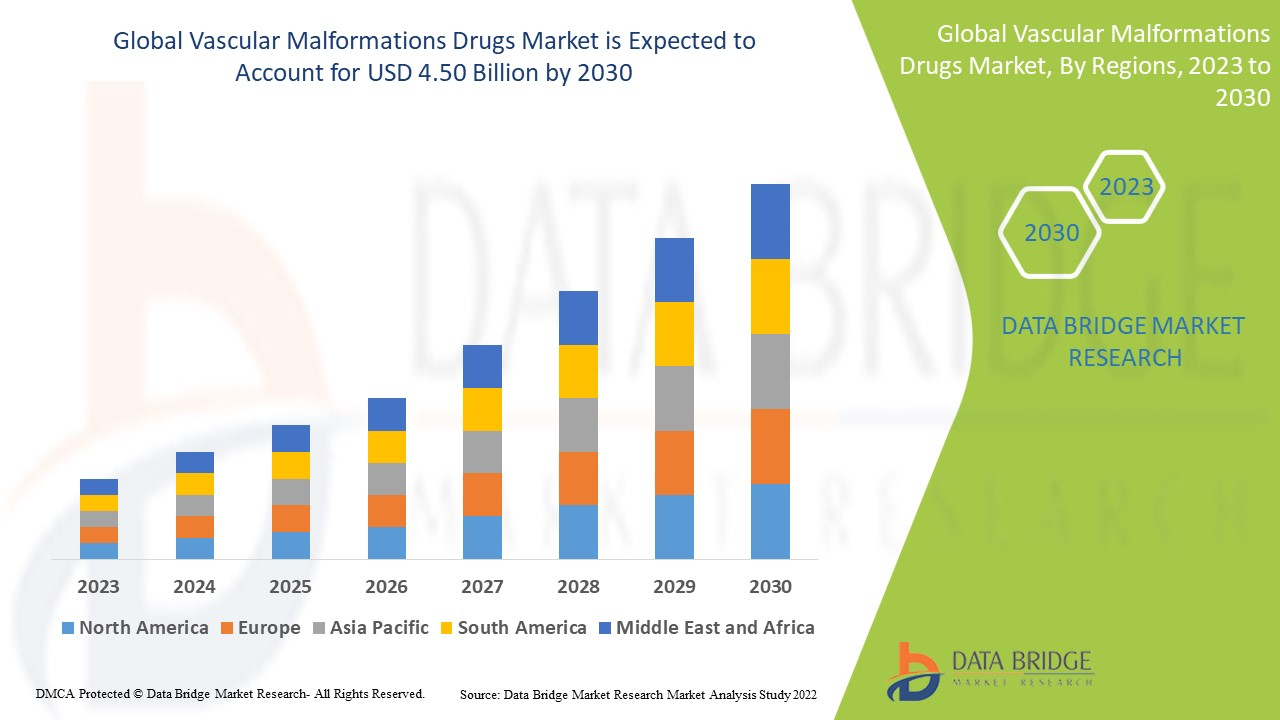
"According to the latest report published by Data Bridge Market Research, the Vascular Malformations Drugs Market Data Bridge Market Research analyses a growth rate in the global vascular malformations drugs market in 2023-2030. The expected CAGR of the global vascular malformations drugs market tends to be around 6.50% in the mentioned forecast period. Vascular Malformations Drugs...
A lot of people assume the lure is just bigger bonuses, but the real reason Duelz Casino keeps drawing attention is plainer than that, players want online games that load quickly, feel up to date, and don’t hide the good stuff behind clutter. When a lobby is easy to scan, fresh titles jump out at once, and that first glance does a lot of heavy lifting. It matters. Why the newest releases...