


Laparoscopy Sets: Features, Uses and Buying Considerations
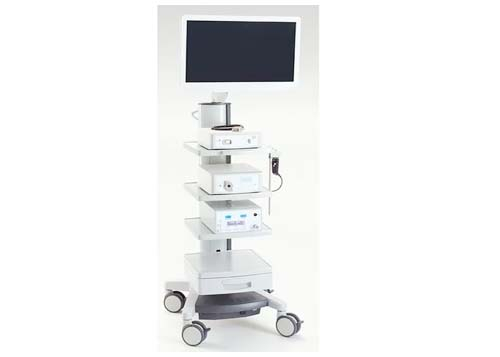
Laparoscopic surgery has become an important part of modern minimally invasive surgery because it allows surgeons to perform many procedures through small incisions rather than a large open incision. A reliable Laparoscopy Set Dealer in India can help hospitals, surgical centers, and healthcare professionals select the appropriate instruments and components for their specific procedures.
However, buying a laparoscopy set is not simply about choosing the largest or most comprehensive kit. The right set should contain suitable instruments, provide good visualization and handling, support the intended procedures, and be compatible with the available laparoscopic equipment. Quality, sterilization requirements, instrument durability, compatibility, after-sales support, and total cost should all be considered before making a purchase.
This guide explains what a laparoscopy set contains, where it is used, its key features, and what buyers should check before selecting a supplier or surgical instrument set.
What Is a Laparoscopy Set?
A laparoscopy set is a collection of surgical instruments and accessories designed to support laparoscopic procedures. Depending on the type of surgery, a set may include instruments for visualization, tissue handling, cutting, grasping, dissection, suction, irrigation, and specimen removal.
A typical setup can involve:
-
Laparoscopes with different viewing angles
-
Trocars and cannulas
-
Graspers and atraumatic forceps
-
Dissecting instruments
-
Scissors
-
Needle holders
-
Suction and irrigation instruments
-
Clip appliers
-
Electrosurgical instruments
-
Camera and visualization components
-
Accessories required for specific procedures
The exact contents vary according to the surgical specialty and procedure. A general laparoscopy set for diagnostic procedures may therefore differ considerably from a set intended for gynecological, urological, or gastrointestinal surgery.
What Should You Look for in a Laparoscopy Set Dealer in India?
Choosing a Laparoscopy Set Dealer in India should involve more than comparing product prices. Buyers should first confirm that the supplier can provide instruments appropriate for their intended procedures and that the products are compatible with their existing laparoscopic system.
Consider the following factors:
-
Instrument range: Check whether the supplier offers the instruments required for your procedures rather than a generic collection.
-
Material and construction: Surgical instruments should be made from suitable medical-grade materials and manufactured with attention to precision and durability.
-
Compatibility: Verify compatibility with the laparoscope, trocar system, camera, light source, electrosurgical equipment, and other components already in use.
-
Instrument design: Handles, jaws, shafts, insulation, locking mechanisms, and articulation should be appropriate for the intended surgical application.
-
Sterilization requirements: Confirm the manufacturer's recommended cleaning, disinfection, and sterilization methods.
-
Documentation: Product specifications, instructions for use, and applicable regulatory or quality documentation should be available where relevant.
-
Availability of replacement parts: For reusable systems, check whether components such as seals, valves, insulation parts, or other replaceable items can be obtained when needed.
-
Technical support: A supplier that can answer compatibility and product-use questions can make procurement easier.
What Are Laparoscopy Sets Used For?
Laparoscopy sets are used in minimally invasive procedures across several surgical specialties. The instruments required depend on the procedure and the surgeon's technique.
1. General Surgery
Laparoscopic instruments may be used for procedures such as gallbladder surgery, hernia repair, appendectomy, and other abdominal procedures.
Surgeons may require graspers, dissectors, scissors, clip appliers, needle holders, suction-irrigation instruments, and other specialized tools.
2. Gynecological Surgery
Laparoscopic surgery is also used in several gynecological procedures. Instruments may be selected for tissue manipulation, dissection, cutting, suturing, and specimen handling.
Specialized gynecological laparoscopy sets may contain instruments designed around the requirements of procedures such as diagnostic laparoscopy and other minimally invasive interventions.
3. Urological Procedures
Laparoscopic techniques can also be used in urological surgery. Depending on the procedure, the instrument requirements may include specialized graspers, scissors, dissectors, clip appliers, and needle holders.
4. Diagnostic Procedures
Some laparoscopic procedures are performed primarily for diagnostic purposes. In these situations, visualization equipment and basic tissue-handling instruments may be particularly important.
Because requirements differ significantly between specialties, buyers should identify the intended procedures before selecting a complete set.
What Are the Main Features of a Good Laparoscopy Set?
A well-designed laparoscopy set should provide appropriate functionality, reliable handling, and compatibility with the surgical environment.
1. Precision Instruments
Laparoscopic instruments are inserted through small access points, so precise movement and controlled handling are essential. The instrument's jaws and working mechanism should operate smoothly and consistently.
2. Appropriate Shaft Length
Different procedures and patient anatomies may require different instrument lengths. Selecting an unsuitable shaft length can affect instrument handling and access.
3. Ergonomic Handles
The handle design can influence surgeon comfort and control. Depending on the instrument, features such as finger rings, ratcheting mechanisms, rotation controls, or pistol-style handles may be available.
4. Reliable Jaw Mechanisms
Graspers, dissectors, scissors, and other working instruments should have mechanisms appropriate to their intended purpose. The jaw design should also match the type of tissue or task for which the instrument is intended.
5. Visualization Compatibility
A laparoscope is only one part of the visualization system. The scope must work appropriately with the camera, light source, and other components used by the facility.
6. Reusable or Disposable Options
Some laparoscopic instruments are reusable, while others may be available as disposable or single-use products. Each option has different considerations regarding sterilization, operating costs, storage, and procurement.
How Do You Choose the Right Laparoscopy Set?
The best approach is to start with clinical requirements rather than the product catalogue.
Step 1: Identify the Procedures
Make a list of the procedures for which the set will be used. A hospital performing multiple types of laparoscopic surgery may require several specialized instruments instead of one basic kit.
Step 2: List Required Instruments
Prepare an instrument checklist based on the procedures. Include graspers, scissors, dissectors, needle holders, suction-irrigation instruments, trocars, and other specialized devices where required.
Step 3: Check Equipment Compatibility
Before ordering, compare the specifications of the proposed instruments with the facility's existing equipment. This is especially important for visualization systems, electrosurgical instruments, and accessories.
Step 4: Compare Construction and Specifications
Do not compare suppliers solely on price. Review material, dimensions, jaw design, insulation, working length, articulation, sterilization instructions, and other relevant specifications.
Step 5: Ask About Documentation
Request appropriate product documentation and instructions for use. Where applicable, buyers should also verify the regulatory and quality documentation relevant to the product and intended market.
Step 6: Evaluate the Supplier
Consider product availability, communication, technical assistance, replacement options, delivery arrangements, and after-sales support.
Step 7: Confirm the Final Configuration
Before placing an order, confirm the exact instrument list, quantities, specifications, accessories, and compatibility requirements.
What Factors Affect the Cost of a Laparoscopy Set?
The price of a laparoscopy set can vary substantially depending on its configuration. There is no single price that applies to every set.
Important cost factors include:
-
Number of instruments included
-
Type and specialization of instruments
-
Reusable or disposable design
-
Instrument material and construction
-
Laparoscope specifications
-
Trocar and cannula configuration
-
Specialized accessories
-
Brand and manufacturing standards
-
Quantity ordered
-
Replacement or additional components
-
Shipping and applicable taxes
A lower initial price does not necessarily represent a lower overall cost. For reusable instruments, durability, maintenance, sterilization requirements, and replacement-part availability can influence the long-term cost of ownership.
What Questions Should You Ask Before Buying?
Before purchasing from a Laparoscopy Set Dealer in India, ask specific questions rather than relying on a general product description.
Useful questions include:
-
Which procedures is this set designed for?
-
What instruments are included?
-
Are the instruments reusable or disposable?
-
What are the working lengths and shaft specifications?
-
Is the laparoscope compatible with our existing camera and light source?
-
What sterilization method is recommended?
-
Are replacement parts available?
-
Can individual instruments be purchased separately?
-
What documentation is supplied with the products?
-
What is the expected availability or lead time?
-
What warranty or after-sales support is provided, if applicable?
These questions can help prevent compatibility problems and unnecessary purchases.
Common Mistakes to Avoid When Buying Laparoscopy Sets:
1. Buying Only on Price
The cheapest option may not provide the required instrument configuration or durability. Compare specifications and total ownership considerations before deciding.
2. Choosing a Generic Set Without Checking Procedures
A large set is not automatically the right set. Some instruments may remain unused while essential specialty-specific instruments are missing.
3. Ignoring Compatibility
Even a technically good instrument may not be appropriate if it is incompatible with the facility's existing equipment.
4. Overlooking Sterilization Requirements
Reusable surgical instruments need appropriate cleaning and sterilization procedures. Always follow the manufacturer's instructions and the healthcare facility's established protocols.
5. Not Confirming the Exact Contents
The term "laparoscopy set" can refer to different configurations. Review the complete product list before placing an order.
6. Forgetting Replacement Requirements
Reusable instruments eventually require maintenance or replacement. Confirm whether important components and spare parts can be sourced.
Helpful Tips for Buyers:
A few practical steps can make procurement easier:
-
Prepare a procedure-based instrument checklist before contacting suppliers.
-
Compare technical specifications rather than product names alone.
-
Ask for the complete configuration of the proposed set.
-
Confirm compatibility with existing laparoscopic equipment.
-
Check cleaning and sterilization instructions.
-
Consider long-term maintenance and replacement requirements.
-
Request relevant product documentation.
-
Compare total procurement cost rather than only the initial quoted price.
-
Purchase quantities based on actual surgical requirements.
-
Keep records of instrument specifications for future replacement orders.
For hospitals and surgical centers, involving the relevant surgical, nursing, sterilization, biomedical, and procurement teams can also help ensure that the selected equipment meets practical requirements.
Frequently Asked Questions:
1. What is included in a laparoscopy set?
Contents vary by manufacturer and procedure. A set may include laparoscopes, trocars, graspers, scissors, dissectors, needle holders, suction-irrigation instruments, clip appliers, and other specialized tools.
2. How do I choose a Laparoscopy Set Dealer in India?
Compare the supplier's product range, technical specifications, compatibility, documentation, availability, replacement options, and after-sales support. Choose based on the requirements of the procedures rather than price alone.
3. Are all laparoscopy sets suitable for every surgery?
No. Laparoscopic procedures have different instrument requirements. A general surgery set may not contain all the instruments needed for gynecological, urological, or other specialized procedures.
4. What should I check before purchasing a laparoscopic instrument?
Check the instrument's intended use, working length, material, jaw design, handle mechanism, articulation, compatibility, sterilization instructions, and relevant product documentation.
5. Are laparoscopic instruments reusable?
Some laparoscopic instruments are designed for repeated use, while others are single-use. Reusable instruments must be cleaned, maintained, and sterilized according to the manufacturer's instructions and applicable healthcare protocols.
6. Does the number of instruments determine the quality of a laparoscopy set?
Not necessarily. A larger set is not automatically better. The usefulness of a set depends on whether it contains the appropriate instruments for the procedures being performed.
7. Why is equipment compatibility important?
Laparoscopic systems contain multiple components that need to work together. Checking compatibility helps prevent problems involving scopes, cameras, light sources, trocars, electrosurgical equipment, and accessories.
8. What affects the price of a laparoscopy set?
Cost can depend on the instrument configuration, number of instruments, materials, specialized components, reusable or disposable design, brand, accessories, order quantity, and other procurement-related expenses.
9. Should hospitals buy complete sets or individual instruments?
It depends on existing inventory and surgical requirements. A complete set may be useful when establishing or expanding a laparoscopic setup, while individual instruments may make more sense when replacing or adding specific items.
Conclusion:
Selecting the right laparoscopy set requires more than finding a supplier with a large catalogue. Buyers should first understand the procedures the instruments will support, identify the required components, check compatibility with existing equipment, and evaluate construction, sterilization requirements, documentation, availability, and long-term maintenance.
When comparing a Laparoscopy Set Dealer in India, focus on the complete value of the product and supplier rather than the quoted price alone. A carefully selected set can help ensure that surgeons and healthcare teams have the appropriate instruments for their intended laparoscopic procedures while avoiding unnecessary purchases and compatibility issues.
The best purchasing decision is therefore one based on clinical requirements, technical specifications, product quality, compatibility, supplier support, and total cost of ownership.
Categories
- Artificial Intelligence (AI)
- Technology
- Business
- Education
- Science
- Lifestyle
- Healthcare
- Entertainment
- Politics
- Environment
- Travel
- Finance
- Automobile
- News
- Art
- Causes
- Crafts
- career
- Dance
- Drinks
- Film
- Fitness
- Food
- Games
- Gardening
- Health
- Home
- Literature
- Music
- Networking
- Other
- Party
- Religion
- Shopping
- Sports
- Theater
- Wellness
Read More
Aaccording to a new report from Intel Market Research, the global Anti-Piracy Protection Market was valued at USD 3.20 billion in 2025 and is projected to reach USD 5.10 billion by 2034, growing at a robust CAGR of 5.7% during the forecast period (2026–2034). This expansion is being supported by the growing consumption of digital content, increasing piracy incidents, and wider adoption...

According to the latest report published by Data Bridge Market Research, the Transit Ticketing Market CAGR Value The global transit ticketing market size was valued at USD 12.77 billion in 2025 and is expected to reach USD 27.27 billion by 2033, at a CAGR of 10% during the forecast period Transit Ticketing Market report, businesses can...
Germany smart electricity meters are the most prominent and essential component of the country's smart metering infrastructure. These devices are the primary interface between consumers and the grid, providing real-time data on electricity consumption, enabling dynamic pricing, and facilitating the integration of renewable energy. Analysis presented by Market Research...

According to the latest analysis by Future Market Insights, the global Conveyor Dryer Market is entering a phase of technological evolution and sustainable transformation. While steady growth at a 3.5% CAGR reflects a mature yet expanding industry, the integration of AI, automation, and green technologies will be the defining force shaping its future. As...

The Western Europe Defibrillators Market covers implantable and external cardiac devices designed to provide rapid intervention during life-threatening arrhythmias and cardiac emergencies. Growing awareness of sudden cardiac arrest, expanding emergency response systems, and technological advancements in cardiac care are supporting market growth across the region. According to Business Market...
