


Anthrax Treatment Market Size, Share, and Forecast Analysis to 2035
Pharmacological Strategies: Antibiotics, Monoclonal Antibodies, and Vaccines
Managing anthrax infections effectively requires tailored pharmacological strategies matched to the route of exposure and stage of disease progression. Clinical manifestations fall into four primary categories: cutaneous, gastrointestinal, injection, and inhalational. Inhalational anthrax carries the highest mortality rate due to rapid spore germination within alveolar macrophages, followed by dissemination to regional lymph nodes and severe systemic toxemia.
| Therapeutic Category | Primary Mechanism of Action | Clinical Application |
| Fluoroquinolones & Tetracyclines | Inhibit bacterial DNA gyrase and protein synthesis | First-line prophylaxis and early post-exposure therapy |
| Monoclonal Antibodies | Neutralize Protective Antigen (PA) toxin subunit | Adjunctive therapy for systemic inhalational anthrax |
| Active Vaccines | Induce protective anti-PA IgG antibodies | Pre-exposure immunization and post-exposure prophylaxis |
Antimicrobial therapy forms the frontline defense across all clinical forms. High-dose intravenous regimens featuring ciprofloxacin, doxycycline, or levofloxacin are initiated immediately upon suspected exposure. To mitigate the risk of drug resistance—whether naturally occurring or genetically engineered—treatment protocols frequently incorporate combination therapy using protein synthesis inhibitors like clindamycin or linezolid, which offer the added benefit of suppressing bacterial toxin production.
When systemic disease develops, antibiotic clearance of vegetative bacteria must be augmented with targeted biological antitoxins. Biologics such as raxibacumab and obiltoxaximab are human monoclonal antibodies designed to bind specifically to the Protective Antigen (PA) component of Bacillus anthracis toxins. By blocking PA from binding to host cell surface receptors, these biological agents prevent the translocation of lethal factor and edema factor into the cytosol, halting cell death and tissue necrosis.
Complementing acute therapeutic measures, post-exposure prophylaxis (PEP) regimens combine prolonged 60-day oral antibiotic courses with a three-dose series of cell-free protein-based vaccines (such as Anthrax Vaccine Adsorbed). This dual strategy ensures active immune coverage as dormant endospores clear from lungs and pulmonary tissues.
Stakeholders tracking drug formulation approvals, pipeline therapeutics, and clinical trial outcomes can review market metrics in the Anthrax Treatment Market reference study. Integrated treatment protocols continue to significantly improve survival outcomes in severe clinical cases.
Categories
- Artificial Intelligence (AI)
- Technology
- Business
- Education
- Science
- Lifestyle
- Healthcare
- Entertainment
- Politics
- Environment
- Travel
- Finance
- Automobile
- News
- Art
- Causes
- Crafts
- career
- Dance
- Drinks
- Film
- Fitness
- Food
- Games
- Gardening
- Health
- Home
- Literature
- Music
- Networking
- Other
- Party
- Religion
- Shopping
- Sports
- Theater
- Wellness
Read More
Conducting a thorough lithium mining market analysis reveals critical trends and insights necessary for stakeholders looking to navigate this evolving landscape. The market is projected to grow at a compound annual growth rate (CAGR) of 6.47%, expanding from USD 4.22 billion in 2024 to USD 8.412 billion by 2035. This remarkable growth trajectory is primarily driven by the accelerating demand...

The global vehicle alloy wheels market is undergoing a significant technological transformation, driven by the adoption of flow-forming and recycled aluminum. According to Market Research Future, the market is projected to grow from USD 34.1 billion in 2026 to USD 52.0 billion by 2035, at a CAGR of 4.8%. The material technology shift is reshaping the market, with traditional pressed...

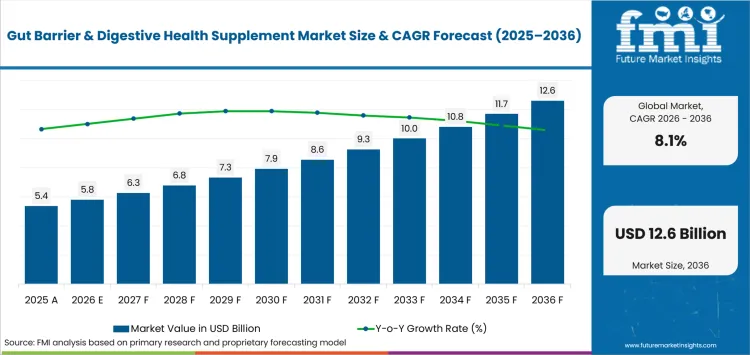
NEWARK, Del., August 5, 2026 — The global Gut Barrier & Digestive Health Supplement Market is projected to expand as consumers increasingly seek supplements linked to specific digestive health outcomes, validated ingredient evidence, and convenient finished-product formats. According to Future Market Insights (FMI), the market is expected to grow from USD 5.8 billion in 2026 to USD...
According to the latest report published by Data Bridge Market Research, the Brain Aneurysm Market The global brain aneurysm market size was valued at USD 1.74 billion in 2025 and is expected to reach USD 2.75 billion by 2033, at a CAGR of 5.90% during the forecast period The world-class Brain Aneurysm Market report analyses some of the...

The global electronics industry relies on the Printed Circuit Board (PCB) as its fundamental building block. Often referred to as the "nervous system" of electronic devices, PCBs provide the mechanical structure and electrical pathways necessary for components to communicate. From the simplest household appliances to the most complex aerospace systems, PCBs are indispensable. As we move further...
