Hydrogel Wound Filler Market Size, Share, and Forecast Analysis to 2035
Formulation Innovations and Material Formats in Advanced Wound Care
The performance of moisture-donating wound dressings depends heavily on their chemical structure, material sourcing, and physical format. These products are primarily composed of crosslinked hydrophilic polymers that form a stable three-dimensional network capable of absorbing and retaining substantial amounts of fluid without losing structural integrity. Formulations generally fall into two broad material categories: natural polymers (such as sodium alginate, collagen, chitosan, and carboxymethylcellulose) and synthetic polymers (such as polyacrylamide, polyethylene oxide, and polyvinyl alcohol). Natural polymers offer excellent biocompatibility and bio-interactive properties, while synthetic variants provide precise swelling control, consistent mechanical strength, and longer shelf life.
From a clinical application standpoint, these materials are manufactured into distinct physical formats to address diverse wound presentations:
-
Amorphous Gels: Supplied in tubes or accordions, these flowable formulations are ideal for tunneling, deep cavities, and uneven wound beds, ensuring direct contact with all hidden contours.
-
Sheet Dressings: Pre-formed, flexible gel sheets designed for superficial, flat wounds such as burns, donor sites, and partial-thickness abrasions.
-
Impregnated Gauze/Sponges: Non-woven pads pre-saturated with gel formulations, combining the structural handling of traditional dressings with moisture-donating benefits.
Recent advancements focus on enhancing functional performance by incorporating active therapeutic agents into the polymer matrix. Antimicrobial hydrogels enriched with ionic silver, polyhexamethylene biguanide (PHMB), or medical-grade honey are gaining widespread clinical traction. These bio-interactive formulations help suppress bacterial colonization and break down persistent biofilms without harming newly forming healthy tissue.
Industry participants interested in detailed product segmentations, material trends, and formulation dynamics can consult the comprehensive Hydrogel Wound Filler Market intelligence study. Continual advances in polymer chemistry ensure these versatile products remain central to effective, modern wound care practices.
Categories
- Artificial Intelligence (AI)
- Technology
- Business
- Education
- Science
- Lifestyle
- Healthcare
- Entertainment
- Politics
- Environment
- Travel
- Finance
- Automobile
- News
- Art
- Causes
- Crafts
- career
- Dance
- Drinks
- Film
- Fitness
- Food
- Games
- Gardening
- Health
- Home
- Literature
- Music
- Networking
- Other
- Party
- Religion
- Shopping
- Sports
- Theater
- Wellness
Read More
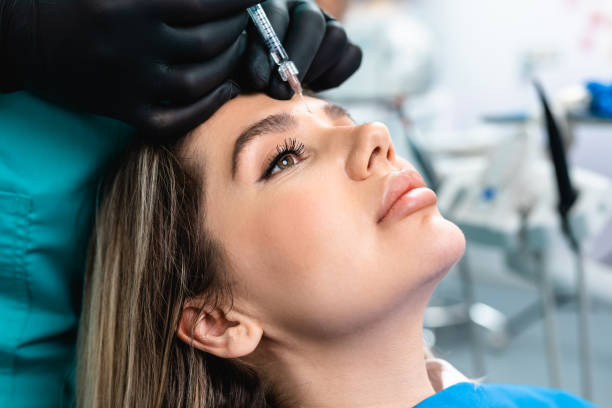
Botox has become one of the most trusted non-surgical cosmetic treatments for individuals seeking smoother, younger-looking skin. It works by temporarily relaxing the facial muscles responsible for wrinkles and fine lines, allowing the skin to appear refreshed and rejuvenated. Many people exploring Botox injections in Riyadh (حقن البوتوكس في الرياض) are drawn to its ability to deliver...
The In Vitro Fertilization Market is expanding as infertility concerns increase worldwide and more individuals and couples seek advanced assisted reproductive technologies. IVF has become an important fertility treatment, providing options for patients experiencing male infertility, female infertility, age-related fertility challenges, and other reproductive conditions. Technological...

According to Market Research Future®, the Healthcare Logistics Market Growth is anticipated to expand from USD 102.32 billion in 2025 to USD 260.66 billion by 2035, registering a CAGR of 5.4% during the forecast period. The global healthcare logistics market is experiencing continuous growth as healthcare ecosystems worldwide demand more efficient, transparent, and reliable supply chain...

"According to the latest report published by Data Bridge Market Research, the U.S. Women?s Health Diagnostics Market Data Bridge Market Research analyses that the women’s health diagnostics market which was USD 5,962.00 million in 2023, would rocket up to USD 11,462.00 million by 2030, and is expected to undergo a CAGR of 8.5% during the forecast period. DBMR team is...

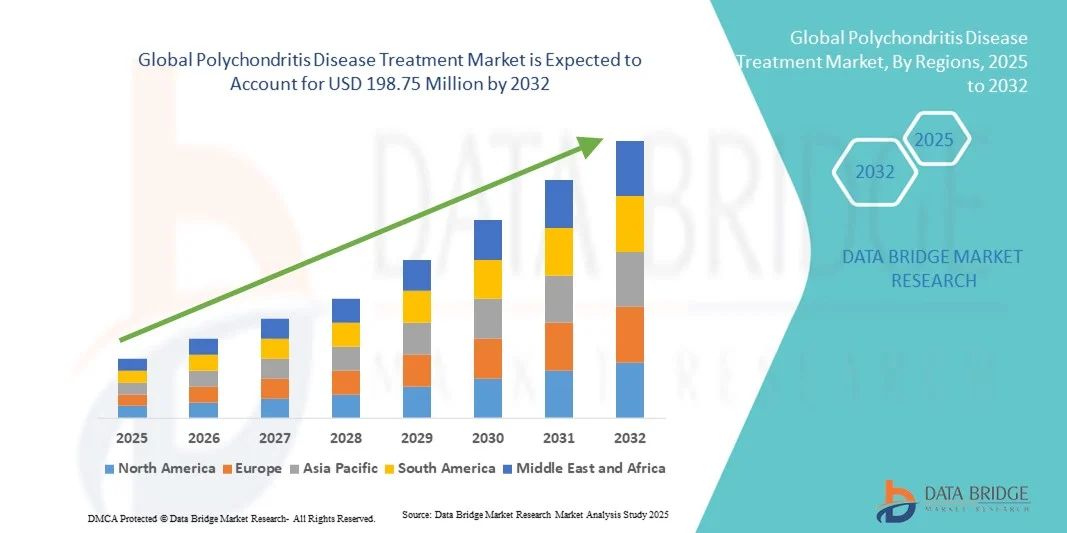
According to the latest report published by Data Bridge Market Research, the Polychondritis Disease Treatment Market The global polychondritis disease treatment market size was valued at USD 124.7 Million in 2024 and is expected to reach USD 198.75 Million by 2032, at a CAGR of 6.00% during the forecast period. Global Polychondritis Disease Treatment...