


Common Skin Conditions Treated by a Dermatologist in Riyadh
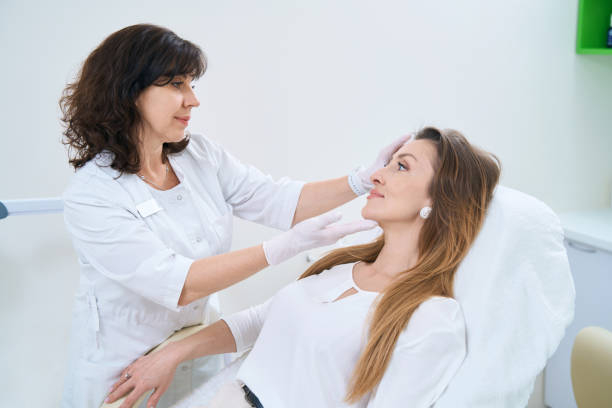
Skin problems can affect people of all ages and may range from temporary irritation to persistent conditions that require professional evaluation. Acne, pigmentation, dryness, rashes, and hair-related concerns are among the issues that can affect everyday comfort and confidence. Consulting a best dermatologist in riyadh can help identify the underlying cause of a skin concern and determine an appropriate management plan.
Because similar symptoms can occur with different skin conditions, professional assessment is often more useful than relying on trial and error with skincare products. A dermatologist can examine your skin, review your medical and skincare history, and recommend suitable treatments based on your individual needs.
Acne and Breakouts
Acne is one of the most common skin concerns and can affect teenagers as well as adults. It may appear as blackheads, whiteheads, pimples, or deeper inflammatory lesions.
Causes of Acne
Acne can be influenced by excess oil production, blocked pores, bacteria, hormonal changes, genetics, and inflammation. Certain medications and skincare or cosmetic products may also contribute in some individuals.
Treatment depends on the type and severity of acne and may involve topical products, prescription medication, professional procedures, or a combination approach.
Hyperpigmentation and Dark Spots
Uneven skin tone and dark spots can develop after acne, sun exposure, inflammation, or hormonal changes. Some pigmentation conditions can also become more noticeable over time.
A dermatologist can assess the appearance and possible cause of pigmentation before recommending treatment. Options may include targeted skincare, sun protection, chemical peels, laser-based treatments, or other approaches depending on the individual case.
Why Assessment Matters
Using an unsuitable treatment for pigmentation can sometimes irritate the skin or make discoloration more noticeable. Professional evaluation can help determine an appropriate approach for your skin.
Eczema and Skin Inflammation
Eczema refers to a group of conditions that can cause dry, itchy, inflamed, or irritated skin. Symptoms may appear on different parts of the body and can vary in severity.
A dermatologist can help identify possible triggers and recommend measures to manage symptoms. Treatment may include moisturizers, topical medications, trigger avoidance, and other medical approaches when necessary.
Psoriasis
Psoriasis is a chronic inflammatory skin condition that can cause thickened, scaly patches on the skin. It may affect areas such as the elbows, knees, scalp, or other parts of the body.
Treatment depends on the type and severity of psoriasis. A dermatologist may recommend topical treatments, phototherapy, systemic medications, or biologic therapies when clinically appropriate.
Rosacea and Facial Redness
Rosacea can cause persistent facial redness and may sometimes involve visible blood vessels, bumps, or a sensation of burning or sensitivity.
Certain environmental or lifestyle factors may trigger or worsen symptoms in some people. A dermatologist can assess the skin and discuss ways to manage symptoms, including appropriate skincare and medical treatments.
Acne Scars
Acne may leave behind changes in skin texture or persistent discoloration after active breakouts have improved. Scars can appear as depressions, raised areas, or other textural changes.
Treatment Options for Acne Scarring
Depending on the type and severity of scarring, a dermatologist may discuss options such as laser treatments, chemical peels, microneedling, or other procedures. The appropriate approach depends on the individual's skin characteristics and scar type.
Dry and Sensitive Skin
Dryness, tightness, flaking, burning, and sensitivity can result from environmental conditions, skincare products, frequent cleansing, or underlying dermatological conditions.
A Dermatologist in Riyadh can evaluate persistent dryness or sensitivity and help identify suitable cleansers, moisturizers, active ingredients, and other treatments.
Building a Gentle Skincare Routine
A dermatologist may recommend simplifying a skincare routine when excessive exfoliation or multiple active ingredients are contributing to irritation. Consistent moisturizing and appropriate sun protection can also support the skin barrier.
Hair Loss and Scalp Conditions
Dermatology also covers conditions affecting the scalp and hair. Persistent hair thinning, excessive shedding, dandruff, scalp irritation, or unexplained hair loss may require professional evaluation.
The causes of hair loss can vary considerably. A dermatologist may review medical history, examine the scalp, and recommend further evaluation or treatment based on the suspected cause.
Warts and Skin Growths
Warts are common skin growths caused by certain types of human papillomavirus. They can occur on different areas of the body and may sometimes spread.
A dermatologist can determine whether a growth appears consistent with a wart and discuss suitable removal options when treatment is necessary.
Other new or changing skin growths should also be professionally evaluated rather than assumed to be harmless.
Signs of Skin Aging
Fine lines, wrinkles, uneven pigmentation, and changes in skin texture are common with natural aging. Sun exposure can contribute to some visible signs of premature skin aging.
A dermatologist can discuss skincare, sun protection, and cosmetic dermatology options based on the patient's goals. Treatments may include topical products, chemical peels, laser procedures, injectables, or other approaches when appropriate.
When Should You See a Dermatologist?
A professional consultation may be useful when a skin concern is persistent, recurring, worsening, painful, itchy, or unexplained. You should also seek medical evaluation for unusual changes in moles or skin growths.
Early assessment can help identify the nature of the problem and prevent unnecessary experimentation with products or treatments that may not be suitable.
What Happens During a Dermatology Consultation?
The dermatologist generally asks about your symptoms, medical history, current medications, skincare products, previous treatments, and treatment goals. The skin is then examined to determine an appropriate management approach.
The recommended plan may include lifestyle changes, skincare, medication, professional procedures, or follow-up monitoring.
Why Personalized Dermatological Care Matters
Different skin conditions can sometimes produce similar symptoms, but their causes and treatments may differ. A personalized assessment allows the dermatologist to consider your skin type, medical history, symptoms, and individual treatment goals.
When choosing a Dermatologist in Riyadh, consider professional qualifications, relevant experience, consultation quality, safety practices, and how clearly treatment options and expectations are explained.
Book an Appointment With Royal Clinic Saudia
If you are experiencing persistent acne, pigmentation, irritation, scarring, hair concerns, or another skin problem, professional evaluation can help you understand the available options. Royal Clinic Saudia can provide a personalized consultation based on your individual skin concerns and treatment needs.
FAQs:
What are the most common conditions treated by dermatologists?
Common concerns include acne, pigmentation, eczema, psoriasis, rosacea, acne scars, dry or sensitive skin, hair loss, warts, and signs of skin aging.
Can a dermatologist treat both medical and cosmetic skin concerns?
Yes. Dermatologists can manage medical skin conditions and may also provide or discuss cosmetic treatments depending on their qualifications and the patient's needs.
Should I see a dermatologist for persistent acne?
Yes. Persistent, painful, recurring, or scarring acne may benefit from professional assessment and an individualized treatment plan.
Can a dermatologist help with pigmentation and dark spots?
Yes. A dermatologist can assess the possible cause of pigmentation and recommend appropriate skincare or professional treatment options.
Categories
- Artificial Intelligence (AI)
- Technology
- Business
- Education
- Science
- Lifestyle
- Healthcare
- Entertainment
- Politics
- Environment
- Travel
- Finance
- Automobile
- News
- Art
- Causes
- Crafts
- career
- Dance
- Drinks
- Film
- Fitness
- Food
- Games
- Gardening
- Health
- Home
- Literature
- Music
- Networking
- Other
- Party
- Religion
- Shopping
- Sports
- Theater
- Wellness
Read More
The France Light Therapy market is on the cusp of transformative growth, projected to reach a market size of USD 82.35 million by 2035. This represents a robust compound annual growth rate (CAGR) of 5.36%, underscoring the increasing consumer acceptance of light therapy solutions. Rising awareness surrounding mental health and wellness issues has spurred demand for innovative solutions in this...

According to a new report from Intel Market Research, the global Alkyl Succinic Anhydrides Market was valued at USD 0.85 billion in 2025 and is projected to reach USD 1.45 billion by 2034, growing at a robust CAGR of 6.1% during the forecast period (2025–2034). Market growth is being supported by increasing adoption of low-temperature curing coatings, growing demand for greener...
The Smart Medical Mattress Market is rapidly transforming the healthcare landscape, driven by technological innovation and the growing need for advanced patient care solutions. These mattresses, integrated with sensors, pressure redistribution systems, and real-time monitoring capabilities, are becoming essential in hospitals, long-term care facilities, and home healthcare settings....
The acrylic acid market is witnessing steady growth, driven by rising demand across diverse end-use industries such as adhesives, coatings, textiles, and personal care. Acrylic acid is a key building block in the production of superabsorbent polymers (SAP), which are extensively used in hygiene products like diapers and sanitary napkins. Increasing global population and improving...

North America Gel Imaging Instrument Market is witnessing steady growth due to the rising adoption of advanced molecular biology techniques, increasing research activities in genomics and proteomics, and growing demand for efficient laboratory imaging solutions across academic institutions, pharmaceutical companies, and biotechnology organizations. The Gel Imaging Instrument Market...
