

Experiencing hair thinning or increased shedding can raise many questions about what treatment involves and what kind of progress to expect. The treatment journey usually begins with understanding the cause of hair loss rather than immediately selecting a procedure. For individuals considering hair loss treatment, a professional assessment can help identify the type of hair loss, evaluate scalp and follicle health, and determine which approach may be appropriate for their needs.
Starting With a Professional Hair Assessment
The first stage of a hair-loss treatment journey is generally a consultation. During this appointment, a specialist may ask when the hair loss began, whether shedding has increased recently, and which areas are affected. Family history, lifestyle factors, recent illness, stress, medications, nutrition, and hormonal changes may also be discussed.
A scalp and hair examination can provide additional information about the pattern and severity of hair loss. The purpose is to determine whether the concern involves temporary shedding, gradual pattern thinning, a scalp condition, or another factor.
Understanding the Cause of Hair Loss
Genetic and Pattern Hair Loss
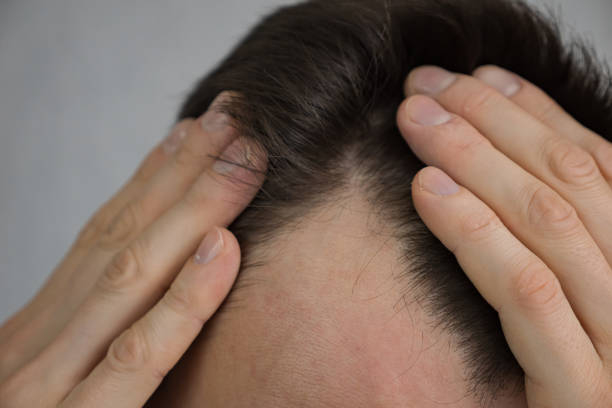
Hereditary factors can contribute to gradual thinning in both men and women. Men may experience recession around the temples or thinning at the crown, while women may notice reduced density around the central scalp.
Temporary Excessive Shedding
Hair shedding may increase after physical or emotional stress, illness, significant weight changes, hormonal events, or nutritional concerns. When the trigger is temporary, the management approach may differ from that used for progressive pattern hair loss.
Scalp and Health-Related Factors
Scalp inflammation, irritation, certain medical conditions, and some medications can affect the hair cycle. Identifying these factors can be important before deciding on a specific treatment.
Discussing Suitable Treatment Options
Once the likely cause has been assessed, the specialist can discuss appropriate options. Treatment varies according to the individual's condition and may involve non-surgical approaches, medical management, or hair restoration procedures when appropriate.
PRP Hair Treatment
Platelet-rich plasma, commonly called PRP, is a minimally invasive option that may be considered for selected forms of hair thinning. A small blood sample is processed to concentrate platelets, and the resulting plasma is introduced into targeted areas of the scalp.
Platelets contain growth factors that may support the environment surrounding existing hair follicles. PRP does not create new follicles, so its suitability depends on factors such as follicle condition and the underlying cause of hair loss.
Medical Hair Loss Management
Some patients may benefit from medical management based on their diagnosis. This can involve addressing an underlying condition, managing a scalp disorder, correcting an identified nutritional deficiency, or considering clinically appropriate medications.
Medical treatments should be selected under professional guidance because the appropriate option depends on the patient's health history and specific type of hair loss.
Hair Transplantation
For individuals with established areas of permanent thinning and suitable donor follicles, hair transplantation may be considered. The procedure involves transferring viable follicles from a donor area to areas with reduced density.
Not everyone requires or qualifies for transplantation. Donor hair availability, the pattern of loss, scalp health, and long-term expectations are important considerations during assessment.
What Happens During Treatment?
The exact treatment experience depends on the selected approach. Non-surgical procedures such as PRP are performed in a clinical setting and generally focus on targeted scalp areas. Medical management may involve an ongoing treatment plan rather than a single appointment.
If a surgical restoration procedure is selected, the process is more involved and requires specific preparation and aftercare. A qualified professional should explain the procedure, expected recovery, possible risks, and follow-up requirements before treatment begins.
What Can You Expect After Treatment?
After treatment, patients may be given specific instructions for scalp and hair care. Following these recommendations can help support appropriate healing or ongoing treatment management.
Temporary scalp sensitivity, mild redness, or other short-term effects can occur with some procedures. The expected recovery experience depends on the treatment performed, so patients should follow the individual aftercare instructions provided by their healthcare professional.
Understanding the Results Timeline
Hair growth is naturally slow, and visible improvement usually requires patience. Results can vary depending on the underlying cause of hair loss, the treatment selected, the condition of existing follicles, and individual response.
Some treatments may require multiple sessions or continued management. Follow-up appointments can help evaluate changes in shedding, hair density, and scalp condition and determine whether the treatment plan needs adjustment.
How to Support Healthy Hair During Treatment
Daily habits can complement professional hair-loss management. A balanced diet containing adequate protein and essential nutrients supports normal hair growth. Gentle washing and brushing can help minimize unnecessary mechanical damage.
It may also be helpful to limit excessive heat styling, harsh chemical treatments, and hairstyles that place repeated tension on the roots. Managing stress and maintaining adequate sleep can support overall well-being while undergoing treatment.
When Should You Consider Professional Treatment?
Persistent shedding, progressive thinning, a receding hairline, or increasingly visible scalp may warrant professional evaluation. Seeking assessment can help determine whether the change is temporary or related to a progressive form of hair loss.
Sudden patchy loss, significant scalp irritation, pain, scaling, or other unusual symptoms should also be evaluated professionally rather than treated without identifying the underlying cause.
Book Your Appointment at Royal Clinic Saudia
Knowing what to expect can make the hair-loss treatment journey more understandable and structured. Hair Loss Treatment in Riyadh can be personalized according to your diagnosis, scalp condition, follicle health, and individual goals. Book an appointment with Royal Clinic Saudia to discuss your concerns and explore suitable treatment options.
FAQs:
What happens during the first hair-loss consultation?
A specialist may review your hair-loss history, examine your scalp and hair pattern, and recommend further evaluation when needed.
Is every hair-loss treatment surgical?
No. Options can include PRP, medical management, and other non-surgical approaches, depending on the cause.
Will hair grow back immediately after treatment?
No. Hair follows a natural growth cycle, so visible changes generally take time.
How can I maintain my hair during treatment?
A balanced diet, gentle hair care, scalp hygiene, and avoiding excessive heat or tension can help support existing hair.

