


Plasma Separation Membrane Market Size, Share, and Forecast Analysis to 2035
Polymeric Structures, Module Formats, and Pore Architecture
The operational performance of a plasma separation membrane depends heavily on its polymer base, internal pore structure, and physical module configuration. Unlike conventional filtration media, membranes designed for blood processing must balance precise pore size distribution with high hemocompatibility to prevent cell lysis and unwanted clotting during operation.
Plasma separation membranes are primarily categorized by polymer composition and physical format:
-
Polymeric Materials: Polysulfone (PSu), polyethersulfone (PES), polypropylene (PP), and modified polyvinylidene fluoride (PVDF) represent the primary polymers used due to their mechanical strength, chemical stability, and low protein-adsorption profiles.
-
Hollow Fiber Modules: Bundles of hair-like hollow fibers housed in rigid cartridges provide a large surface area in a compact footprint, making them ideal for high-volume apheresis and industrial plasma fractionation.
-
Flat Sheet Membranes: Frequently integrated into lateral flow diagnostic devices, microfluidic cards, and single-use lab testing cassettes where capillary action drives immediate plasma separation.
+------------------------+------------------------------------+-------------------------------------+
| Feature                | Hollow Fiber Modules               | Flat Sheet Membranes                |
+------------------------+------------------------------------+-------------------------------------+
| Primary Application    | Apheresis, TPE, bioprocessing      | Point-of-care test strips, lab chips|
| Driving Force          | Peristaltic pumping / pressure     | Capillary action / vacuum force     |
| Sample Volume          | High volume (liters to continuous)  | Low volume (microliters to milliliters)|
| Core Advantage         | High surface area, continuous flow | Rapid lateral flow, easy integration|
+------------------------+------------------------------------+-------------------------------------+
Advancements in asymmetric pore structures—where pore diameters gradually narrow from the blood-contact side to the filtrate side—prevent cell trapping and maintain fast filtration rates. Organizations evaluating technology roadmaps, material options, and module designs can consult the detailed insights provided in the Plasma Separation Membrane Market intelligence report. Selecting the appropriate membrane material and format ensures optimal separation efficiency, high yield, and sample integrity across diverse clinical settings.
Categories
- Artificial Intelligence (AI)
- Technology
- Business
- Education
- Science
- Lifestyle
- Healthcare
- Entertainment
- Politics
- Environment
- Travel
- Finance
- Automobile
- News
- Art
- Causes
- Crafts
- career
- Dance
- Drinks
- Film
- Fitness
- Food
- Games
- Gardening
- Health
- Home
- Literature
- Music
- Networking
- Other
- Party
- Religion
- Shopping
- Sports
- Theater
- Wellness
Read More
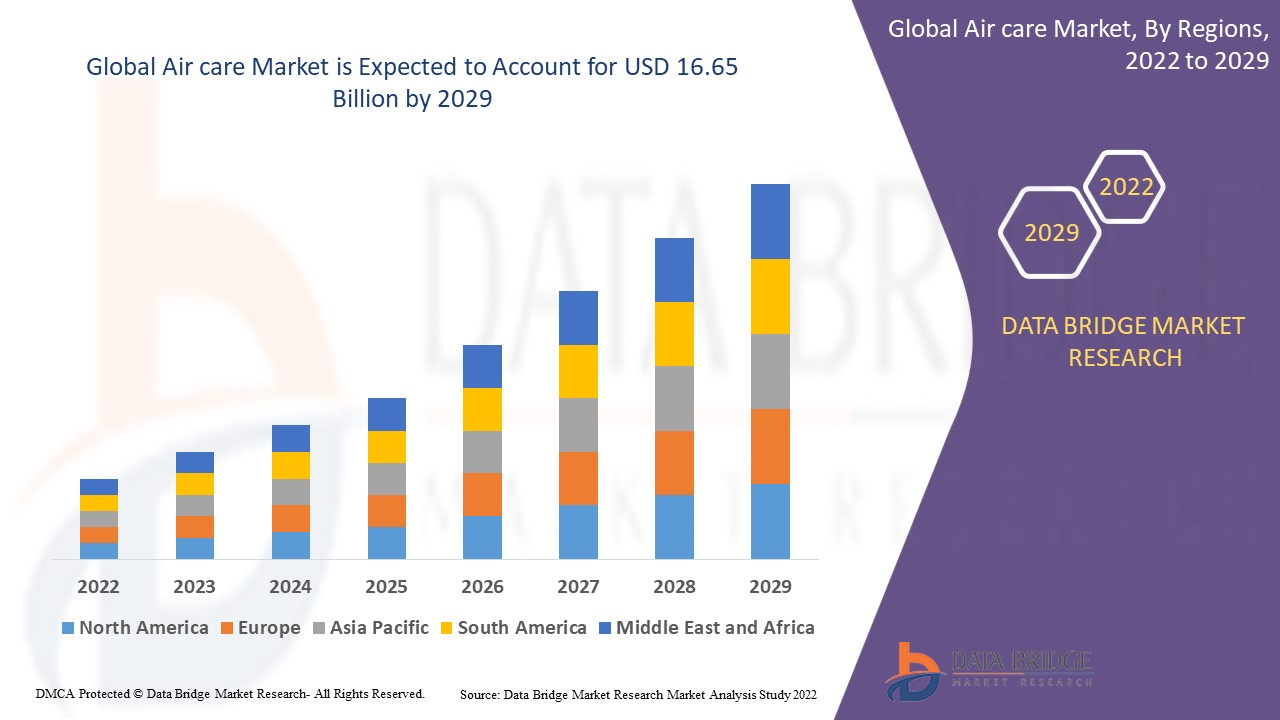
According to the latest report published by Data Bridge Market Research, the Air Care Market CAGR Value Global air care market size was valued at USD 13.55 billion in 2024 and is projected to reach USD 18.84 billion by 2032, with a CAGR of 4.20% during the forecast period of 2025 to 2032. Market insights provided in the most excellent Air Care Market report, it becomes...
The transparent conductive film market is expanding rapidly as technological advancements improve conductivity, flexibility, and manufacturing efficiency. Innovations in graphene, silver nanowires, carbon nanotubes, conductive polymers, and flexible substrates are enabling manufacturers to develop high-performance films for next-generation electronic devices. According to Business Market...

The landscape of the US Population Health Management Market is on the brink of significant transformation, with projections indicating a substantial increase in market size. By 2035, the market is expected to grow to $22.54 billion, reflecting a compound annual growth rate (CAGR) of 6.68%. This growth signifies a shift towards more data-driven healthcare models that prioritize value-based care...
The Design Thinking Market is poised for a remarkable transformation, with projected revenue soaring to USD 13.37 billion by 2035. This anticipates a compound annual growth rate (CAGR) of 6.21%, driven by increasing demand for user-centric solutions across various sectors. Companies are rapidly adopting design thinking methodologies to enhance innovation, improve customer experiences, and...

Pediatric Influenza Treatment Market is developing with continued demand for effective therapies for children affected by seasonal influenza. Pediatric influenza treatment includes antiviral medicines and supportive care, with treatment decisions influenced by the child’s age, severity of illness, underlying conditions, and timing of symptom onset. Current pediatric guidance emphasizes...
