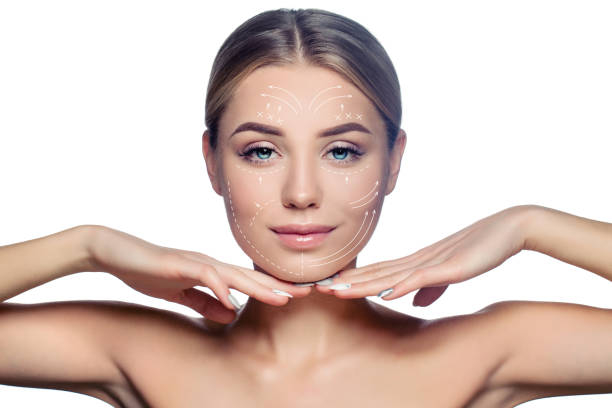
Facial contours can gradually change as part of the natural aging process. Reduced skin elasticity, changes in facial tissue support, and shifts in facial volume may contribute to sagging cheeks, jowls, loose skin, and a less defined jawline. For individuals exploring facelift cost in riyadh, understanding how the procedure affects facial contours can help set realistic expectations about surgical facial rejuvenation.
What Is a Facelift?
A facelift, medically known as rhytidectomy, is a surgical procedure designed to address selected signs of facial aging. It primarily focuses on sagging skin and the descent of facial tissues, particularly in the middle and lower areas of the face.
Modern facelift surgery is not simply about pulling the outer skin. Depending on the technique, deeper supporting tissues may be repositioned or managed before excess skin is carefully addressed. This allows the procedure to focus on structural changes that contribute to an aged or less defined facial appearance.
How Facial Aging Changes Contours
Loss of Skin Elasticity
With age, collagen and elastin levels naturally decline. Skin may become less firm and less able to maintain its previous shape. This can contribute to loose skin around the cheeks, jawline, and neck.
Descent of Facial Tissues
Facial tissues can gradually move downward as structural support changes. This may contribute to flatter-looking cheeks, deeper folds, and jowls along the lower face.
Changes Around the Jawline
Sagging tissues and excess skin can soften the natural transition between the lower face and neck. As a result, the jawline may appear less defined than it did earlier in life.
How a Facelift Can Improve Facial Contours
Reducing the Appearance of Jowls
Jowls can make the lower face appear heavier or less structured. A facelift can address the tissues contributing to jowling and manage appropriate excess skin.
By improving the position of these tissues, the procedure may create a clearer transition along the lower cheeks and jawline.
Supporting a More Defined Jawline
One of the commonly sought benefits of Facelift in Riyadh is improved lower-face definition. When reduced jawline definition is primarily related to sagging tissues and loose skin, a facelift can reposition appropriate tissues and remove or manage excess skin.
If significant neck laxity is also present, a neck lift may be considered as part of the treatment plan.
Improving Cheek and Midface Contours
Some facelift approaches can address tissue descent affecting the cheeks and midface. Repositioning selected tissues can help improve the relationship between the cheeks and lower face.
The exact degree of contour improvement depends on individual anatomy, tissue quality, and the technique selected by the surgeon.
Different Facelift Approaches for Facial Contouring
Traditional Facelift
A traditional facelift generally provides broader treatment of the middle and lower face and may include the neck. It can be considered when more noticeable skin laxity and tissue descent are present.
Mini Facelift
A mini facelift uses a more limited surgical approach and may be suitable for selected individuals with mild to moderate laxity. It is not automatically appropriate for everyone.
Lower Facelift
A lower facelift concentrates on areas such as the lower cheeks, jowls, and jawline. It may be considered when these areas are the primary source of concern.
SMAS Facelift
The SMAS is a deeper supporting facial layer. A SMAS facelift involves management or repositioning of this layer to address selected changes in facial support.
Deep Plane Facelift
A deep plane facelift works at a deeper anatomical level and may be considered for particular patterns of facial tissue descent. Technique selection should be based on facial anatomy and treatment goals.
Natural-Looking Contour Improvement
A modern facelift aims to improve facial contours without unnecessarily changing the person's recognizable features. Careful planning considers facial proportions, tissue position, skin quality, and the amount of correction required.
Natural-looking results cannot be guaranteed because healing and individual anatomy vary. However, individualized surgical planning can help ensure that treatment is directed toward the specific areas affected by aging.
Facelift Compared With Other Facial Treatments
Different treatments address different aspects of facial aging. Botox can temporarily reduce certain expression-related lines, while dermal fillers can restore or enhance selected areas of facial volume.
Laser treatments and professional skincare may improve skin texture, pigmentation, or surface quality. However, they do not provide the same structural correction for significant tissue descent and excess skin that facelift surgery can provide.
A professional assessment can help determine whether surgical or non-surgical treatment is appropriate for the specific contour concern.
What to Expect During the Treatment Process
The process begins with a consultation and facial assessment. The surgeon may evaluate skin elasticity, cheek position, jowls, jawline definition, neck laxity, facial proportions, medical history, previous procedures, medications, and overall health.
During surgery, incisions are planned according to the selected technique. The appropriate facial tissues are then repositioned or managed, and excess skin is addressed.
After surgery, swelling, bruising, tenderness, tightness, and temporary changes in sensation may occur. These effects gradually improve during healing, while facial contours become clearer as swelling subsides.
Maintaining Improved Facial Contours
A facelift does not stop the natural aging process. However, healthy habits can support long-term skin health after recovery.
Sun protection, suitable skincare, avoiding smoking, and maintaining a stable and healthy weight can help support the appearance of the skin. Additional non-surgical treatments may also be considered for concerns that are separate from facial sagging.
Book Your Appointment at Royal Clinic Saudia
If you are considering Facelift in Riyadh, Royal Clinic Saudia can provide a personalized consultation to evaluate your facial concerns and discuss suitable treatment options. A professional assessment can help determine whether facelift surgery is appropriate for your anatomy, skin condition, and aesthetic goals.
FAQs:
Can a facelift improve facial definition?
Yes. It can improve selected areas of facial definition when sagging tissues and excess skin are contributing to reduced contours.
Does a facelift improve the jawline?
It can improve jawline definition when laxity and tissue descent are contributing to a less defined lower face.
Can a facelift reduce jowls?
A facelift can improve the appearance of jowls by addressing tissue descent and appropriate excess skin.
Will a facelift change my facial features?
The procedure is generally planned to improve aging-related contours while preserving natural facial proportions and recognizable features.