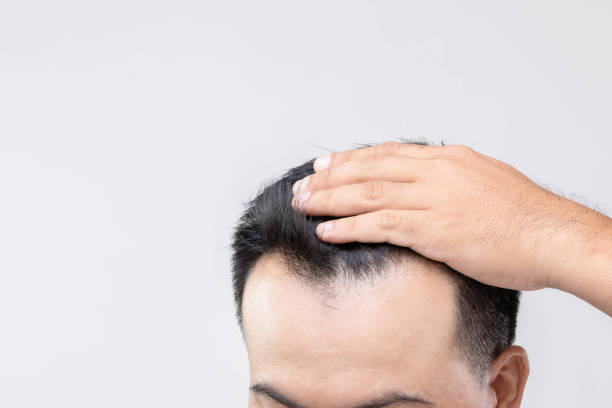
Hair loss in men can develop gradually, making the scalp more visible and changing the overall appearance of the hairline or crown. For men exploring non-surgical options, prp in riyadh is one approach that may help support existing hair follicles and improve the appearance of thinning areas. The treatment uses platelet-rich plasma prepared from the patient’s own blood and is designed to deliver concentrated platelets to selected areas of the scalp.
Men experience hair loss for many different reasons, including hereditary pattern hair loss, hormonal influences, nutritional deficiencies, stress, certain medical conditions, and scalp disorders. PRP Hair Treatment in Riyadh may be considered when viable hair follicles are still present and a patient wants to explore a treatment that focuses on supporting natural hair growth. A proper assessment is important because PRP is not suitable for every cause or stage of hair loss.
Understanding Male Hair Loss
Male pattern hair loss, also known as androgenetic alopecia, is one of the most common causes of progressive thinning in men. It can affect the temples, hairline, crown, or other areas of the scalp. Over time, affected follicles may become smaller and produce finer, shorter hairs.
Other forms of hair loss can have different causes. Temporary shedding may occur after significant stress, illness, dietary changes, or other triggers, while some scalp or autoimmune conditions require specific medical management. Identifying the underlying cause helps determine whether PRP is an appropriate part of a treatment plan.
How PRP May Support Hair Growth
PRP is prepared by taking a small blood sample and processing it to concentrate platelets. The resulting plasma contains growth factors and signaling proteins that may support tissue repair and influence the local environment around hair follicles.
The PRP is then administered through injections into areas affected by thinning. The goal is to support the activity of existing follicles rather than create completely new follicles. Research into PRP for hair loss has shown potential benefits for selected patients, although individual responses can vary.
Why Men Consider PRP for Thinning Hair
One reason men consider PRP is that it focuses on existing hair follicles without requiring a surgical hair transplant. It may be particularly relevant when thinning is noticeable but viable follicles remain in the affected areas.
Potential benefits may include supporting follicular activity, improving the appearance of hair density, and helping some patients manage ongoing thinning as part of a broader treatment strategy. Results are not guaranteed, and PRP should be viewed as a personalized treatment rather than a universal solution for male hair loss.
What Happens During a PRP Hair Treatment?
The process generally begins with a consultation and assessment of the scalp and hair-loss pattern. A small blood sample is collected and placed in a specialized system to separate and concentrate the platelet-rich portion.
After preparation, the PRP is carefully injected into selected areas of the scalp. The procedure is usually performed as an outpatient treatment, and the exact injection pattern depends on the location and degree of thinning.
Is PRP Suitable for Every Man With Hair Loss?
Not necessarily. PRP may be more appropriate for men with certain types of hair thinning where follicles are still capable of producing hair. It may be less effective when follicles have been permanently lost or when an underlying condition needs another form of treatment.
A consultation can help evaluate the hair-loss pattern, scalp condition, medical history, medications, and previous treatments. Men should also discuss bleeding concerns, scalp problems, allergies, and relevant medical conditions before undergoing injections.
How Many Sessions May Be Needed?
PRP treatment is commonly performed as a series of sessions rather than as a single procedure. The number and frequency can vary depending on the patient’s condition, treatment protocol, and response.
Hair growth occurs gradually, so changes should not be expected immediately after treatment. Follow-up assessments can help determine how the scalp is responding and whether additional sessions or complementary treatments should be considered.
PRP Compared With Hair Transplantation
PRP and hair transplantation serve different purposes. PRP aims to support existing follicles, while a hair transplant involves surgically relocating follicles from a donor area to areas affected by hair loss.
For men with advanced hair loss or areas where follicles are no longer viable, a transplant may be considered after professional evaluation. In some treatment plans, PRP and transplantation may be used at different stages or alongside other medically recommended approaches.
Supporting Healthy Hair After Treatment
Maintaining general hair and scalp health can complement a professionally designed treatment plan. A balanced diet, adequate protein and essential nutrients, appropriate scalp care, and management of underlying health issues can all contribute to overall hair health.
Men should also follow the aftercare instructions provided by their healthcare professional. Temporary redness, tenderness, swelling, bruising, or discomfort can occur after scalp injections. Any unusual or persistent symptoms should be discussed with the treating professional.
Setting Realistic Expectations
PRP can be a useful option for selected men, but it does not guarantee complete hair restoration. The response depends on factors such as the cause and extent of hair loss, follicle condition, individual biology, and the treatment approach used.
Understanding these factors before treatment can help men make informed decisions and establish realistic expectations about potential improvement.
Book Your Appointment at Royal Clinic Saudia
If you are experiencing thinning hair or progressive hair loss, a professional assessment can help identify the underlying cause and determine whether PRP Hair Treatment in Riyadh may be suitable for you. Royal Clinic Saudia can provide a personalized consultation to discuss your hair concerns and available treatment options.
FAQs:
Can PRP help men with hereditary hair loss?
PRP may help some men with pattern hair loss when viable follicles remain, but individual results vary.
Does PRP create new hair follicles?
No. PRP is intended to support existing follicles and cannot reliably recreate follicles that have been permanently lost.
When can men expect to see results from PRP?
Hair changes generally develop gradually, and the timing varies between individuals and treatment protocols.
Can PRP be combined with other hair-loss treatments?
It may be combined with other medically recommended treatments depending on the cause of hair loss and the individual treatment plan.