


Can Men Benefit From Electrolysis Laser Hair Removal?
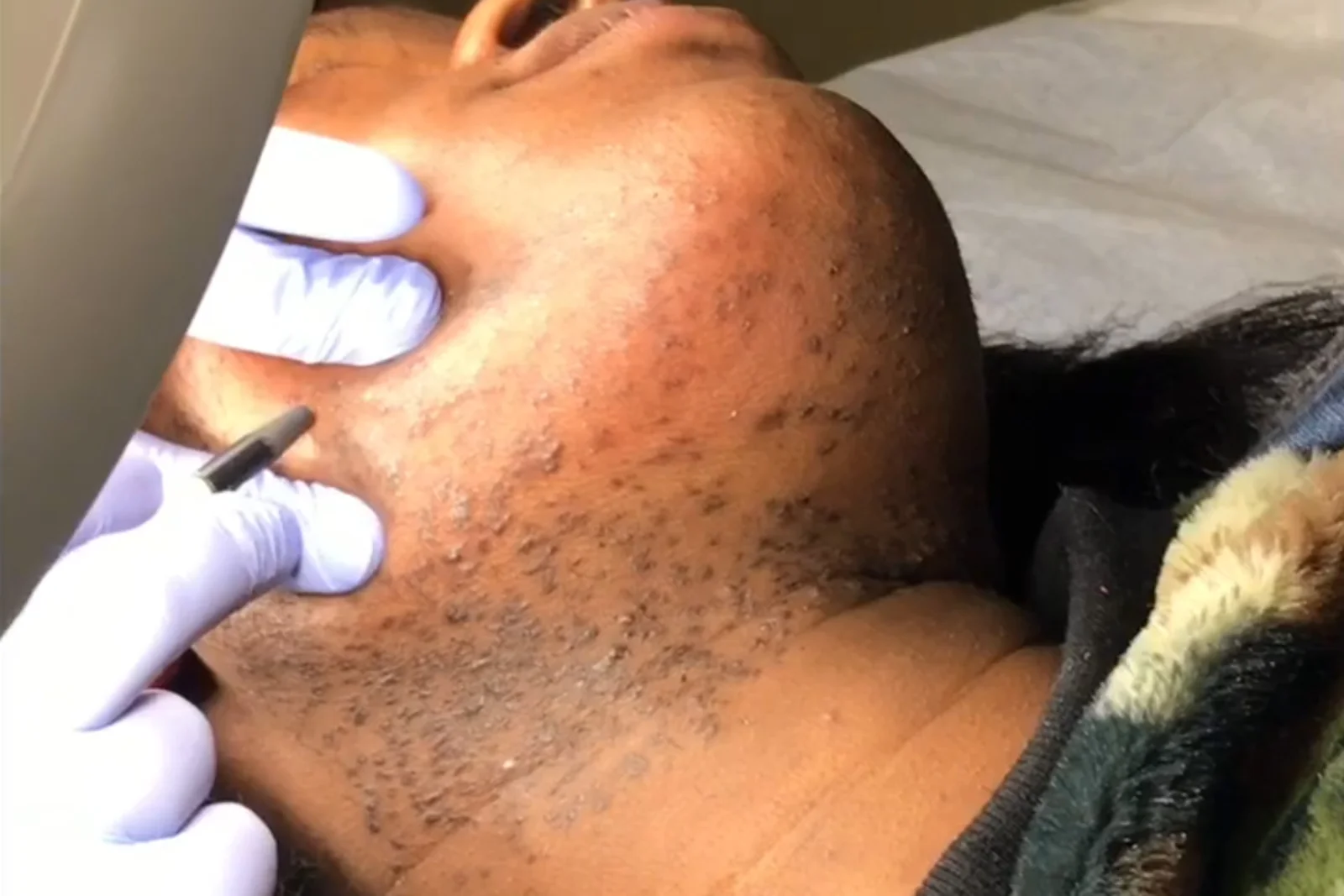
Men can benefit from professional hair-removal treatments when unwanted facial or body hair causes frequent shaving, razor bumps, ingrown hairs, or simply becomes difficult to manage. If you are considering Electrolysis Laser Hair Removal Dubai, it is important to understand that electrolysis and laser hair removal are two different technologies. Electrolysis uses electrical energy to target individual hair follicles, while laser hair removal uses concentrated light absorbed by pigment in the hair. Both can be used for men, depending on the hair characteristics, treatment area, skin type, and desired outcome.
Why Do Men Consider Hair Removal Treatments?
Men may seek professional hair removal for many different reasons.
Some want to reduce facial hair because frequent shaving causes irritation or razor bumps. Others may want to reduce chest, back, shoulder, underarm, or other body hair.
Regular shaving can be time-consuming and may contribute to razor burn or ingrown hairs, particularly when the hair is coarse or curly. The American Academy of Dermatology specifically notes that men experiencing constant razor burn or ingrown hairs from shaving may benefit from laser hair removal.
Professional hair removal can therefore be considered when shaving, trimming, waxing, or other temporary methods are no longer convenient or comfortable.
Can Laser Hair Removal Benefit Men?
Yes. Laser hair removal is commonly used for unwanted facial and body hair in men.
The laser directs concentrated light toward the hair. Pigment in the hair absorbs the light and converts it into heat, which can damage the hair follicle and reduce future hair growth. Because multiple follicles can be treated during each pulse, laser hair removal can be useful for larger areas.
Men may consider laser treatment for areas such as:
- Beard and neck
- Chest
- Back
- Shoulders
- Underarms
- Arms
- Legs
- Bikini or other selected body areas
The exact treatment area should be discussed during a professional consultation.
Can Laser Hair Removal Help With Razor Bumps?
One of the potential benefits for men is reducing problems associated with repeated shaving.
Razor bumps, also called pseudofolliculitis barbae, can develop when short, coarse or curly hairs curve back into the skin. This can produce small bumps and inflammation around the beard area.
Reducing beard hair with laser treatment can reduce the need for frequent shaving. The AAD notes that men with constant razor burn or ingrown hairs caused by shaving may be able to permanently eliminate beard hair with laser treatment.
This does not mean every case of razor bumps will disappear immediately. The underlying skin condition and shaving habits should also be considered.
Can Electrolysis Benefit Men?
Electrolysis can also be used by men for unwanted facial and body hair.
During electrolysis, a very fine probe is inserted into an individual hair follicle. A controlled electrical current is then used to damage the cells responsible for hair growth.
Because follicles are treated individually, electrolysis can be useful when a man wants precise treatment of specific hairs or smaller areas. It can also treat different hair colours, including light-coloured hairs that conventional laser hair removal cannot effectively target.
Cleveland Clinic states that electrolysis can be used for facial hair as well as most areas of the body and can provide permanent hair removal.
What Is the Difference Between Electrolysis and Laser for Men?
Although they are sometimes discussed together, electrolysis and laser hair removal work differently.
Laser Hair Removal
Laser treatment uses light energy to target pigment in the hair.
It can treat multiple follicles during each pulse, making it useful for larger areas such as the back, chest, legs, or underarms.
Laser treatment generally requires multiple sessions because hairs are at different stages of the growth cycle.
Electrolysis
Electrolysis treats individual follicles using electrical current.
It does not rely on hair pigment, so it can be used on dark, gray, white, blonde, and other light-coloured hairs.
Because every follicle is treated individually, it can require more time when large areas contain dense hair growth.
Can Men Use Electrolysis for Beard Hair?
Yes. Electrolysis can be used on selected areas of the beard and face.
Possible areas include:
- Upper lip
- Chin
- Jawline
- Cheeks
- Neck
- Between the eyebrows
It can be particularly useful for individual hairs that need precise treatment or for light-coloured facial hair that is not suitable for conventional laser treatment.
The treatment can also be considered after laser hair reduction when a smaller number of remaining hairs need individual attention.
Can Men Use Laser Hair Removal for Beard Hair?
Yes. Laser hair removal can be used to reduce beard hair and may be particularly useful for men who experience frequent razor burn or ingrown hairs.
Because beard hair is often relatively coarse and pigmented, it can respond to laser energy when the appropriate treatment settings are selected.
However, facial treatment requires careful planning because the face can be sensitive and different areas may respond differently.
A qualified professional should assess the skin and hair before treatment rather than using identical settings for every patient.
Can Men With Darker Skin Have Laser Hair Removal?
Men with darker skin can receive laser hair removal, but appropriate technology and treatment settings are important.
The American Academy of Dermatology states that people of all skin tones can safely undergo laser hair removal when the person performing the procedure has experience treating that particular skin tone.
This is important because incorrect laser settings can increase the risk of burns and unwanted changes in skin colour.
A consultation should therefore include an assessment of skin tone, hair colour, hair thickness, previous tanning, and any history of unusual reactions to cosmetic treatments.
Can Men With Gray Hair Benefit From Electrolysis?
Yes. Gray hair can be difficult to treat with conventional laser hair removal because laser energy depends on pigment in the hair.
Electrolysis does not depend on hair pigment in the same way. It can therefore be used for light-coloured hairs, including gray and white hairs.
This can be particularly useful for men who have dark facial or body hair mixed with gray hairs.
Laser treatment may be considered for suitable pigmented hairs, while electrolysis can be considered for individual light-coloured hairs when appropriate.
Can Hair Removal Help With Ingrown Hairs?
Yes. Reducing unwanted hair can help reduce one of the factors associated with recurring ingrown hairs.
Laser hair removal may be particularly useful when ingrown hairs are caused by frequent shaving over larger areas. Cleveland Clinic lists both laser hair removal and electrolysis among hair-removal options that may be considered for more serious or recurring ingrown hairs.
Electrolysis can treat individual follicles and may be useful when recurring ingrown hairs are associated with specific unwanted hairs.
However, active infection or significant inflammation should be assessed before cosmetic hair-removal treatment.
How Many Sessions Might Men Need?
There is no single number of sessions that applies to every man.
Laser hair removal commonly requires multiple treatments because hair follicles are in different growth phases. Cleveland Clinic notes that many people require around six to eight laser treatments, although individual requirements vary.
Electrolysis also requires multiple appointments because individual follicles need to be treated as they enter appropriate growth stages. Treatment duration depends on the size of the area, hair density, hair thickness, and individual growth pattern.
A professional treatment plan should therefore be based on the person's actual hair growth rather than a fixed number of appointments.
What Does Treatment Feel Like?
The sensation varies according to the technology, treatment area, and individual sensitivity.
Laser hair removal may feel like a series of warm pinpricks or brief snapping sensations.
Electrolysis can produce a brief stinging, tingling, or warm sensation as individual follicles are treated. Cleveland Clinic notes that the sensation can vary and that topical anesthetic options may sometimes be discussed with the provider.
The face, neck, and other sensitive areas may feel different from larger body areas.
What Happens After Treatment?
Temporary skin reactions can occur after professional hair removal.
After laser treatment, temporary redness, swelling, or discomfort can occur. More serious reactions such as burns, blistering, scarring, or permanent changes in skin colour are possible, particularly when treatment is performed incorrectly.
Electrolysis can cause temporary redness around treated follicles. These reactions are generally short-lived when treatment is performed correctly.
Following the provider's aftercare instructions can help protect the treated skin during recovery.
Signs You Should Pay Attention To
Mild redness, temporary sensitivity, or slight swelling may occur following hair-removal treatment.
However, professional advice should be sought if you experience:
- Severe or worsening pain
- Significant swelling
- Blistering or burns
- Pus or unusual discharge
- Signs of infection
- Persistent skin-colour changes
- Unexpected scarring
- Severe irritation
- A reaction that does not improve
Laser hair removal can cause burns, blisters, infection, scars, or changes in skin colour when performed improperly. Electrolysis can also cause infection, burns, or scarring if inappropriate technique or unsterile equipment is used.
Checkpoint: Is Hair Removal Suitable for You?
The right treatment depends on more than simply being male.
Important factors include:
Hair colour: Laser relies on hair pigment, while electrolysis can treat light-coloured hair.
Hair thickness: Coarse hair may respond differently from fine hair.
Treatment area: Laser can efficiently cover larger areas, while electrolysis is designed to treat individual follicles.
Skin tone: Laser settings and technology should be selected according to the individual's skin tone.
Reason for treatment: Someone seeking smoother skin may have different goals from someone dealing with severe razor bumps or ingrown hairs.
Desired outcome: Treatment planning should consider whether the goal is hair reduction, permanent removal of individual follicles, or management of shaving-related problems.
A professional assessment can help determine which approach is appropriate.
Electrolysis Laser Hair Removal in Dubai
When considering Electrolysis Laser Hair Removal in Dubai, men can discuss their specific hair-removal goals with a qualified professional before treatment.
At Dynamic Life Clinic, treatment planning can take into account the treatment area, hair colour, hair density, skin characteristics, and the individual's desired outcome.
For men considering laser treatment, professional experience with the patient's skin tone is particularly important. The American Academy of Dermatology recommends discussing the provider's experience, expected results, number of treatments, and possible side effects before proceeding.
How Can Men Prepare for Treatment?
Preparation depends on whether electrolysis or laser hair removal is being performed.
For laser treatment, avoiding tanning and protecting the skin from excessive sun exposure are important. The provider may also give instructions about shaving and products to avoid before the appointment.
For electrolysis, the treatment area should be kept clean and the provider's instructions should be followed.
It is also important to disclose previous reactions to hair-removal procedures, recent tanning, skin conditions, medications, or a history of abnormal scarring during the consultation.
How Can Men Maintain Their Results?
Following professional aftercare and maintaining appropriate treatment intervals can support the results.
Helpful habits include:
- Follow the recommended treatment schedule.
- Protect treated skin from excessive sun exposure.
- Avoid unnecessary irritation.
- Follow the recommended skincare routine.
- Avoid picking or scratching treated areas.
- Attend follow-up appointments when advised.
- Report unusual reactions promptly.
- Use suitable shaving techniques if some hair remains.
For men who experience razor bumps, changing shaving habits may also help reduce irritation while the hair-reduction process continues.
Conclusion
Men can benefit from both electrolysis and laser hair removal, depending on their hair characteristics, treatment area, skin type, and goals. Laser hair removal can reduce unwanted hair across larger areas and may be particularly useful for men dealing with frequent shaving, razor burn, or ingrown hairs.
Electrolysis treats individual follicles and can permanently remove successfully treated hairs. It also has the advantage of working on light-coloured hairs that conventional laser hair removal cannot effectively target.
A professional consultation can help determine whether laser hair removal, electrolysis, or a combination of approaches is appropriate for the individual's skin and hair.
Frequently Asked Questions
1. Can men benefit from electrolysis laser hair removal?
Yes. Men can use electrolysis and laser hair removal for unwanted facial and body hair. The appropriate treatment depends on hair colour, skin type, treatment area, density, and individual goals.
2. Can men get laser hair removal on their beard?
Yes. Laser hair removal can be used to reduce beard hair and may help men who experience frequent razor burn or ingrown hairs from shaving.
3. Can electrolysis permanently remove men's facial hair?
Electrolysis is recognized as a permanent hair-removal method and can treat individual facial follicles.
4. Can men use laser hair removal for their chest and back?
Yes. Laser hair removal can be used on larger body areas, including the chest and back.
5. Can laser hair removal help men's ingrown hairs?
Yes. Reducing beard or body hair can reduce the need for repeated shaving and may help with shaving-related ingrown hairs.
6. Can men with gray hair have electrolysis?
Yes. Electrolysis can treat light-coloured hairs, including gray and white hairs, because it does not depend on hair pigment in the same way laser treatment does.
7. Is laser hair removal safe for men with darker skin?
It can be performed safely when appropriate equipment and settings are used by someone experienced in treating that skin tone.
8. How many laser hair-removal sessions do men need?
The number varies according to the treatment area, hair characteristics, skin type, and individual response. Many people require several treatments rather than one session.
9. Does electrolysis hurt?
Electrolysis may cause a brief stinging, tingling, or warm sensation when individual follicles are treated. Sensitivity varies between people and treatment areas.
10. Which treatment should a man choose: electrolysis or laser?
The appropriate option depends on the hair colour, skin tone, treatment area, hair density, and desired outcome. A professional assessment can help determine whether laser hair removal, electrolysis, or a combination is appropriate.
Categories
- Artificial Intelligence (AI)
- Technology
- Business
- Education
- Science
- Lifestyle
- Healthcare
- Entertainment
- Politics
- Environment
- Travel
- Finance
- Automobile
- News
- Art
- Causes
- Crafts
- career
- Dance
- Drinks
- Film
- Fitness
- Food
- Games
- Gardening
- Health
- Home
- Literature
- Music
- Networking
- Other
- Party
- Religion
- Shopping
- Sports
- Theater
- Wellness
Read More
Molybdenum is available in several forms, including ores and concentrates, powders, bars and rods, and sheets and plates. While ores and concentrates represent a major part of the market, molybdenum powders are gaining attention because they can support specialized manufacturing processes. The Molybdenum Market is seeing increasing opportunities for powder products. MRFR identifies powders as...

The Pediatric Healthcare Service Market is gaining importance as healthcare systems increasingly focus on improving medical services for infants, children, and adolescents. Pediatric healthcare services include preventive care, diagnosis, treatment, emergency care, specialty services, and routine health monitoring designed specifically for younger patients. Growing awareness of childhood...
According to Market Research Future®, the Explosives Market was valued at USD 31.89 billion in 2024 and is projected to grow from USD 32.57 billion in 2025 to USD 40.21 billion by 2035, registering a compound annual growth rate (CAGR) of 2.13% during the forecast period (2025–2035). Steady investments in mining operations, infrastructure construction, quarrying, and energy projects...
The Chitosan Hemostatic Powder Market was estimated at approximately USD 0.63 billion in 2023 and is being supported by increasing demand for effective bleeding-control products across surgical, trauma, dental, and wound-care applications. Chitosan-based hemostatic products are attracting attention because of their ability to support rapid hemostasis and their suitability for different...
The rapid convergence of wearable robotics, embedded artificial intelligence, and lightweight structural biomechanics is reshaping human physical capability across healthcare facilities, industrial manufacturing floors, and tactical defense environments. Modern robotic suits utilize distributed electromyographic sensors, inertial measurement units, and closed-loop actuator controls to interpret...

