

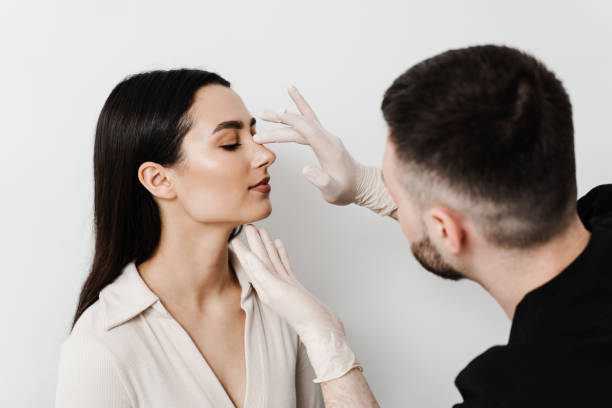

Rhinoplasty is a surgical procedure that reshapes the nose by modifying its underlying bone, cartilage, and soft tissue. For people considering Rhinoplasty in Riyadh (كم سعر عملية تجميل الأنف في السعودية), understanding each stage of the surgical process can make the experience easier to navigate. From the initial consultation and surgical planning to recovery and follow-up, every stage plays a role in achieving an individualized outcome.
The surgical process is tailored to the patient's nasal anatomy, facial proportions, functional concerns, and desired changes. During Rhinoplasty in Riyadh, the surgeon may refine the nasal bridge, reshape the tip, adjust the nostrils, or modify internal structures when appropriate. The exact techniques used depend on the complexity of the procedure and the patient's individual needs.
What Happens Before Rhinoplasty Surgery?
The process begins with a detailed consultation. During this appointment, the surgeon evaluates the nose and discusses the patient's concerns, expectations, and medical history.
Nasal and Facial Assessment
The surgeon examines the nasal structure from different angles and considers how the nose relates to the rest of the face. This assessment helps determine which changes may be appropriate.
Medical History Review
Previous nasal surgery, injuries, breathing problems, allergies, medications, and other relevant medical information should be discussed. This information helps the surgical team identify factors that may affect the procedure or recovery.
Creating a Personalized Surgical Plan
Rhinoplasty is not performed using one standard technique. The surgical plan is developed according to the patient's anatomy and goals.
Defining the Desired Changes
Patients may want to address a prominent bridge, nasal tip shape, asymmetry, width, or other structural features. The surgeon discusses which changes can realistically be achieved.
Considering Nasal Function
When breathing concerns are present, internal nasal structures may also need to be evaluated. Cosmetic changes should be planned with nasal function in mind.
Choosing the Surgical Approach
The surgeon may use an open or closed approach depending on the required modifications.
Open Rhinoplasty
Open rhinoplasty involves incisions inside the nostrils along with a small incision in the columella, the tissue between the nostrils. This approach can provide greater visibility of the nasal framework when detailed structural modifications are needed.
Closed Rhinoplasty
Closed rhinoplasty uses incisions within the nostrils. The external columella is not incised. This approach may be suitable for certain procedures where extensive external access is not required.
The choice is based on the patient's anatomy and the surgical objectives rather than a universal preference.
What Happens During the Operation?
Rhinoplasty is performed under appropriate anesthesia selected by the surgical team. Once the procedure begins, the surgeon accesses the nasal structures through the planned approach.
Depending on the treatment plan, the surgeon may reshape cartilage, modify bone, refine the nasal tip, adjust the nasal bridge, or make other structural changes.
Reshaping the Nasal Framework
Bone and cartilage can be carefully modified to create the planned shape. The extent of structural alteration varies significantly between patients.
Preserving or Supporting Nasal Function
Structural support is an important consideration during rhinoplasty. The surgical plan should account for the strength and stability of the nasal framework while addressing the desired changes.
What Happens Immediately After Surgery?
After the procedure, the patient is monitored as the effects of anesthesia wear off. Depending on the surgical plan, nasal support, splints, or dressings may be used temporarily.
Swelling, bruising, tenderness, and congestion are common during the early recovery period. These effects generally change as healing progresses.
Managing Early Discomfort
Your surgical team may provide instructions regarding prescribed medications, sleeping position, activity restrictions, and care of the treated area. Following these instructions carefully supports a smoother recovery.
Understanding the Rhinoplasty Recovery Process
Recovery does not end when the operation is complete. The nose continues to heal and change over time.
Early Recovery
During the first stage, swelling and bruising may be noticeable around the nose and eyes. Nasal congestion can also occur. Patients should avoid unnecessary pressure or impact to the nose.
Gradual Improvement
As swelling decreases, the shape of the nose becomes progressively clearer. However, subtle swelling can remain for considerably longer, particularly around the nasal tip.
For individuals undergoing Rhinoplasty in Riyadh, patience during recovery is important because the final appearance develops gradually rather than immediately after surgery.
Activity Restrictions After Surgery
Patients typically need to limit strenuous physical activities during the initial healing period. Activities that could cause pressure or impact to the nose should be avoided until the surgeon confirms they are safe.
Returning to exercise, work, and other normal activities should be based on individual recovery rather than a fixed timeline.
Potential Risks of Rhinoplasty
Like any surgical procedure, rhinoplasty involves potential risks. These can include bleeding, infection, persistent swelling, changes in sensation, nasal obstruction, asymmetry, scarring, or an aesthetic result that differs from expectations.
In some cases, additional surgery may be required to address functional or aesthetic concerns. Discussing these possibilities during consultation helps patients understand the procedure more fully.
Why Follow-Up Appointments Matter
Follow-up visits allow the surgical team to monitor healing and identify any concerns during recovery. The nose may continue changing for an extended period, so regular assessment can help track progress.
Patients should also report unusual symptoms or unexpected changes rather than attempting to manage them independently.
What Determines the Final Result?
The final result depends on several factors, including the patient's anatomy, surgical technique, healing response, skin characteristics, and the extent of structural modification.
Rhinoplasty can improve selected aspects of nasal shape and facial balance, but perfect symmetry or a guaranteed appearance cannot be promised. Realistic expectations are an important part of the treatment process.
Preparing for a Successful Surgical Journey
Good preparation begins with choosing a qualified surgical professional and communicating openly during consultation. Patients should understand the proposed technique, expected recovery, possible complications, and follow-up requirements before proceeding.
For those researching Rhinoplasty in Riyadh, understanding the complete surgical process can help them approach consultation with informed and realistic expectations.
Book Your Appointment at Royal Clinic Saudia
If you are considering nose reshaping surgery, Royal Clinic Saudia (عيادات رويال كلينك) can provide a consultation to discuss your concerns and evaluate your individual needs. A personalized assessment can help you understand the surgical approach, preparation, recovery, and follow-up process.
FAQs:
How is the rhinoplasty technique selected?
The surgical approach depends on the patient's nasal anatomy, the changes required, and the overall surgical objectives.
Is swelling normal after rhinoplasty?
Yes. Swelling and bruising are common after surgery and generally decrease gradually during recovery.
When can normal activities be resumed?
The timing varies according to the procedure and individual healing. Your surgeon will advise when specific activities are appropriate.
Does rhinoplasty permanently change the nose?
Rhinoplasty creates structural changes that are intended to be long-lasting, although the nose can continue to undergo subtle changes as it ages and heals.

