

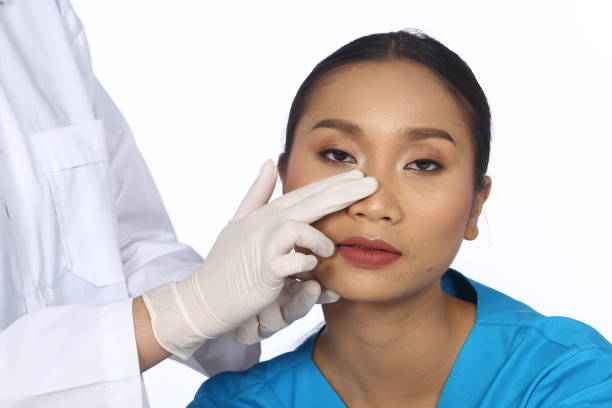

A drooping nasal tip occurs when the tip of the nose points downward, particularly when viewed from the side or during facial movement. This can make the nose appear longer or affect the balance between the nose and upper lip. For individuals considering Rhinoplasty in Riyadh (عملية تجميل الأنف في الرياض) to address a drooping tip, understanding the underlying cause is important because treatment must be tailored to the patient's nasal structure. Rhinoplasty may help reposition and support the tip while maintaining natural facial proportions.
What Causes a Drooping Nasal Tip?
A downward-pointing nasal tip can result from several structural or functional factors. The cartilage supporting the tip may naturally angle downward, while the muscles around the nose can contribute to movement-related drooping in some individuals. A drooping appearance may also become more noticeable with age as tissues and cartilage change. Previous nasal injury or surgery can sometimes influence the position of the tip. Identifying the specific cause helps determine the most appropriate surgical approach.
How Can Rhinoplasty Correct a Drooping Tip?
Rhinoplasty can address a drooping nasal tip by modifying, repositioning, or supporting the cartilage responsible for the tip's position. Depending on the patient's anatomy, the surgeon may use structural techniques to rotate the tip upward and improve its projection. The goal is not simply to lift the tip as much as possible but to create a position that complements the bridge, nostrils, upper lip, and other facial features.
Can Rhinoplasty Make the Nose Look Shorter?
A drooping tip can sometimes make the nose appear longer than it actually is. By improving the position and rotation of the nasal tip, rhinoplasty may create the appearance of a more balanced nasal length. However, the amount of change depends on the individual's anatomy. During consultation, the surgeon evaluates the nose from multiple angles to determine whether tip repositioning alone is sufficient or whether additional structural changes may be appropriate.
What Is Tip Rotation in Rhinoplasty?
Tip rotation refers to changing the angle at which the nasal tip projects from the face. When the tip points downward, carefully planned rotation can create a more elevated and balanced position. The degree of rotation must be individualized because excessive upward rotation can produce an unnatural appearance or alter the relationship between the nostrils and upper lip. Careful surgical planning is therefore essential for achieving proportionate results.
Who May Be Suitable for Drooping Tip Rhinoplasty?
People who are unhappy with a downward-pointing nasal tip and have realistic expectations may consider rhinoplasty after facial development is complete. Candidates should be medically suitable for surgery and prepared to follow postoperative care instructions. During consultation, the surgeon can assess the nasal framework, skin, breathing function, facial proportions, and the specific reason for the drooping appearance before recommending a treatment plan.
Can a Drooping Tip Affect Breathing?
A drooping nasal tip is primarily an aesthetic concern for many people, but nasal structure can also influence airflow. Depending on the underlying anatomy, changes to the nasal tip and surrounding structures may affect nasal function. Anyone experiencing breathing difficulties should discuss these symptoms during consultation so both appearance and function can be considered when appropriate.
What Happens During the Procedure?
The surgical process depends on the patient's nasal anatomy and the extent of correction required. The surgeon may carefully reshape or reposition cartilage and use structural support techniques to establish the planned tip position. Rhinoplasty may be performed using an open or closed approach depending on the procedure. The selected technique is determined according to the changes needed rather than following one method for every patient.
What Is Recovery Like After Rhinoplasty?
Swelling, bruising, congestion, and temporary discomfort can occur during the early recovery period. The nasal tip may remain swollen for longer than other parts of the nose, which can make the final position difficult to judge initially. Patients are generally provided with individualized instructions regarding sleeping position, physical activity, nasal care, and follow-up appointments. Following these instructions can help support a smooth recovery.
When Will the Tip Settle Into Its Final Position?
The appearance of the nasal tip changes gradually as postoperative swelling decreases and the tissues heal. Some improvement may become noticeable during the early recovery period, but subtle refinement can continue for considerably longer. Tip healing varies according to factors such as surgical technique, tissue characteristics, and individual healing response. Patients should therefore avoid judging the final result too soon after surgery.
What Results Can Patients Expect?
The goal of correcting a drooping nasal tip is to create a more balanced and proportionate appearance. Depending on the patient's anatomy, treatment may improve the angle of the tip, reduce the appearance of excessive nasal length, and create greater harmony between the nose and surrounding facial features. Results vary between individuals, and the final appearance depends on the surgical plan and healing process.
Choosing Rhinoplasty in Riyadh for a Drooping Tip
When considering Rhinoplasty in Riyadh, patients should choose a qualified medical professional who evaluates the entire nasal structure rather than focusing only on the visible tip. A detailed consultation provides an opportunity to discuss desired changes, surgical techniques, recovery expectations, potential risks, and realistic outcomes. Individualized planning is particularly important when changing the position of the nasal tip because even subtle adjustments can influence overall facial balance.
Book an Appointment at Royal Clinic Saudia
If you are concerned about a drooping nasal tip and want to understand whether rhinoplasty may be appropriate for you, Royal Clinic Saudia (عيادات رويال كلينك) can provide a personalized consultation. Discussing your concerns with a qualified professional can help you understand your nasal anatomy, available treatment approaches, and realistic expectations before making a decision.
FAQs:
Can rhinoplasty lift a drooping nasal tip?
Rhinoplasty can sometimes reposition and rotate a downward-pointing nasal tip using techniques selected according to the patient's underlying nasal structure.
Why does my nasal tip droop when I smile?
In some people, movement of the muscles around the nose can make the tip appear to point downward during smiling. An evaluation can help determine whether the movement is related to the underlying nasal structure or surrounding muscles.
Will correcting a drooping tip make my nose look shorter?
Tip repositioning may reduce the appearance of excessive nasal length in some patients, although the result depends on the individual's anatomy and the extent of correction.
How long does it take for a corrected nasal tip to heal?
Initial swelling generally improves gradually, but the nasal tip can take longer to settle. The timing of final refinement varies according to the surgical technique and individual healing response.

