


HydraFacial Treatment in Dubai for Combination Skin and Uneven Texture
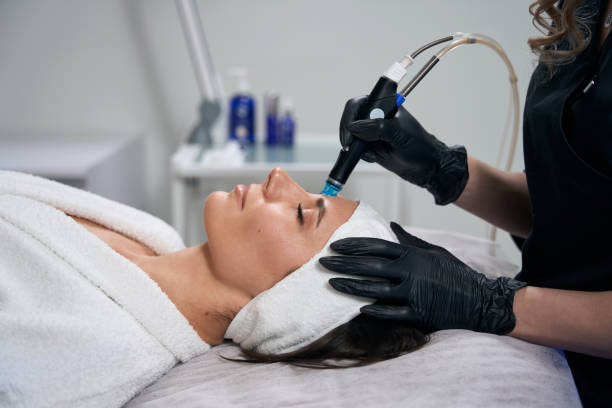
Combination skin can be difficult to manage because different areas of the face behave differently. HydraFacial Treatment in Dubai can be adapted around those differences, helping address congestion and excess oil in some areas while supporting hydration and smoother texture in others.
The objective is not to treat the entire face as though it has one uniform skin type. A better approach starts with identifying what is happening across the forehead, nose, chin, cheeks and other facial zones.
Why Combination Skin Needs a Different Strategy
Combination skin commonly involves more oil production through the central face while the cheeks or outer facial areas feel normal, dry or dehydrated.
Oil and Dehydration Can Exist Together
A common misconception is that oily skin cannot be dehydrated. In reality, oil refers primarily to sebum production, while dehydration refers to insufficient water content in the skin.
This means a person can have a shiny T-zone and still experience tightness or roughness on the cheeks.
Different Zones Can Show Different Texture
The forehead and nose may have visible pores or congestion, while the cheeks may show dryness, flaking or uneven texture.
Using one aggressive approach across every area can therefore be counterproductive.
Over-Cleansing Can Make the Routine Harder to Manage
People with combination skin sometimes respond to oiliness by repeatedly cleansing or exfoliating. This may leave drier areas uncomfortable without necessarily solving the underlying pattern of oil production.
A professional facial should therefore focus on balance rather than trying to remove every trace of surface oil.
How HydraFacial Treatment in Dubai Can Be Customized
HydraFacial's treatment system is designed around customizable exfoliation, extraction, hydration and targeted boosters.
Adjusting the Treatment to Skin Condition
The appropriate treatment intensity depends on the condition of the skin at the time of the appointment.
A patient with a congested T-zone and dry cheeks may need a different balance from someone whose entire face is oily.
The provider can consider the degree of congestion, dryness, sensitivity and texture before deciding how the session should be performed.
Supporting Hydration Without Ignoring Congestion
Hydration should not automatically be avoided simply because the T-zone looks oily.
The objective is to improve the condition of the skin without adding unnecessary heaviness or irritating already-sensitive areas.
HydraFacial lists boosters addressing hydration, congestion, uneven texture and visible signs of ageing, which allows treatment goals to be selected according to individual needs.
Using Exfoliation Selectively
HydraFacial offers different HydroPeel tips designed for different treatment needs, including gentle exfoliation for dry or sensitive skin and stronger options for certain thicker or oilier skin types.
That does not mean stronger exfoliation is automatically better. The intensity should correspond to the skin's tolerance and current condition.
Managing an Oily T-Zone
The T-zone often attracts the most attention because it can look shiny or congested.
Forehead and Nose Congestion
Sebum, dead skin cells and environmental debris can contribute to visible congestion. A professionally performed cleansing and extraction step may help improve the appearance of clogged areas.
HydraFacial describes its extraction stage as designed to clear pores while incorporating hydration into the treatment process.
Avoiding Aggressive Extraction
More pressure is not necessarily better.
Aggressive manipulation can leave temporary redness or irritation. The objective should be controlled cleansing and extraction appropriate to the skin rather than trying to remove every visible pore impurity during one appointment.
Oil Control Is Not the Same as Drying Out the Skin
The goal of treating an oily area is not to strip away all surface lipids. Healthy skin still needs an intact barrier.
A professional plan should therefore balance congestion management with appropriate hydration.
Addressing Dry or Rough Cheeks
The cheeks may tell a completely different story from the T-zone.
Dehydrated Cheeks
If the cheeks feel tight after cleansing or look creased when makeup is applied, hydration may be more relevant than additional exfoliation.
Moisturization can help improve the appearance of fine surface lines and dry texture by increasing water content in the outer skin layers.
Rough Surface Texture
Mild surface buildup can contribute to uneven texture. Controlled exfoliation may help create a smoother surface, but treatment should be adjusted when dryness or sensitivity is present.
The AAD recommends choosing exfoliation methods according to skin type and avoiding excessive exfoliation because it can lead to irritation.
Combination Skin and Uneven Texture
Uneven texture can come from several different factors, so it should not automatically be treated as a single problem.
Surface Buildup
Dead cells on the outermost layer can make the complexion feel rough. Controlled exfoliation can improve surface smoothness.
Dehydration
Dryness can make fine texture appear more pronounced, especially around the cheeks and mouth.
Congestion
Blocked pores can create a rougher appearance across the nose, forehead and chin.
Existing Skin Sensitivity
Redness or irritation can make texture look more noticeable. In this situation, aggressive treatment may worsen the appearance instead of improving it.
Building a Personalized HydraFacial Session
A good treatment plan begins before the device touches the skin.
Skin Assessment
The provider should review:
- Areas of oiliness
- Areas of dryness
- Visible congestion
- Texture irregularities
- Sensitivity or redness
- Current skincare products
- Recent cosmetic procedures
- Recent sun exposure
This information helps determine whether the patient is suitable for treatment and how the session should be approached.
Treatment Goals
Combination skin can have several concerns at once, but that does not mean every available add-on needs to be used.
A practical treatment plan may prioritize one or two dominant concerns while protecting areas that are already dry or sensitive.
Booster Selection
HydraFacial describes its boosters as targeted formulations designed to personalize treatment according to concerns such as dehydration, congestion, uneven tone, texture and visible ageing.
The appropriate choice depends on the individual skin assessment.
Skincare Between HydraFacial Sessions
The treatment should fit into a broader routine rather than replace daily skincare.
Gentle Cleansing
Combination skin generally benefits from cleansing that removes excess surface oil without leaving the cheeks excessively tight.
Moisturizing the Whole Face
Moisturizer should not automatically be excluded from oily areas. The formulation and amount can be adjusted according to the skin's needs.
Daily Sun Protection
Broad-spectrum SPF 30 or higher is recommended by dermatologists to help protect against UV-related skin damage and visible premature ageing.
What to Avoid Before Treatment
Patients should tell their provider about active skincare products, particularly retinoids, retinol and benzoyl peroxide.
The AAD notes that these products can increase skin sensitivity and that exfoliating when the skin is already sensitive may worsen dryness or irritation.
Treatment may also need to be delayed when the skin is sunburned, significantly irritated or affected by open wounds.
What to Expect After Treatment
The immediate goal is a cleaner, smoother and better-hydrated appearance rather than dramatic structural change.
The T-Zone May Look Cleaner
Surface congestion may appear reduced after cleansing and extraction.
Dry Areas May Feel Smoother
Hydration can improve softness and temporarily make dry texture look less pronounced.
Results Depend on the Underlying Skin Pattern
Combination skin does not permanently change its biology because of one facial. Oil production, skincare habits, environmental exposure and other factors continue to influence the complexion.
For that reason, treatment frequency should be determined according to the patient's skin response rather than following an arbitrary schedule.
When Combination Skin Needs More Than a Facial
A HydraFacial may be useful for surface texture and congestion, but persistent acne, significant pigmentation, inflammatory skin disease or severe irritation may require a medical skin assessment.
A facial should not be used to mask symptoms that require diagnosis.
A Balanced Approach to Combination Skin
The most useful way to approach combination skin is to stop thinking of it as one uniform surface.
HydraFacial Treatment in Dubai can be customized around different facial concerns, allowing the treatment strategy to focus on congestion where it exists while supporting hydration and comfort in drier areas. The value comes from appropriate assessment and customization, not from using the strongest treatment available.
To discuss a personalized approach, visit HydraFacial Treatment in Dubai at Tajmeels Clinic.
Categories
- Artificial Intelligence (AI)
- Technology
- Business
- Education
- Science
- Lifestyle
- Healthcare
- Entertainment
- Politics
- Environment
- Travel
- Finance
- Automobile
- News
- Art
- Causes
- Crafts
- career
- Dance
- Drinks
- Film
- Fitness
- Food
- Games
- Gardening
- Health
- Home
- Literature
- Music
- Networking
- Other
- Party
- Religion
- Shopping
- Sports
- Theater
- Wellness
Read More
Hair thinning can affect both appearance and confidence, especially when visible changes develop around the hairline, crown, or parting area. For people who prefer an approach that does not involve traditional hair transplant surgery, PRP Hair Treatment in Islamabad may be an option worth considering. PRP is a minimally invasive treatment that uses the patient’s own blood components...

The Bispecific T-Cell Engager Therapeutics Market is emerging as an important segment of the global biopharmaceutical and oncology industry. According to WiseGuyReports, the market was valued at approximately USD 7.7 billion in 2025 and is projected to reach USD 21 billion by 2035, representing a CAGR of 10.6% during the forecast period. Bispecific T-cell engagers are designed to connect...

The global single trip travel insurance market is experiencing significant growth as travelers increasingly prioritize safety, financial protection, and flexibility during their journeys. Single trip travel insurance provides coverage for one specific trip, protecting travelers from unexpected events such as medical emergencies, trip cancellations, lost baggage, and...

Regional dynamics shape the Small Volume Injection SVI Market across five major territories. North America leads with a valuation of USD 10 billion in 2024, projected to reach USD 15 billion by 2035, driven by advanced healthcare infrastructure and high demand for innovative therapeutics. The United States and Canada benefit from major pharmaceutical headquarters and substantial R&D...
The automotive landscape is undergoing its most significant evolution since the invention of the internal combustion engine, driven primarily by the rapid integration of Advanced Driver Assistance Systems (ADAS). ADAS represents a suite of electronic technologies designed to assist drivers in the driving process, significantly enhancing vehicle safety and road efficiency. These systems utilize...
