A Complete Guide to Glycolic Acid Peel in Riyadh
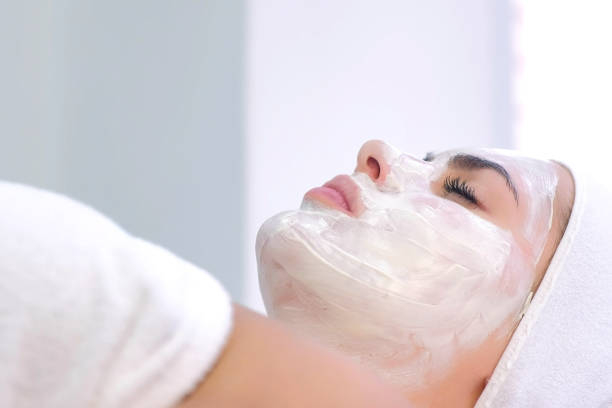
Glycolic acid peels are a popular professional skincare option for people who want to improve dullness, uneven texture, and certain forms of superficial pigmentation. As an alpha hydroxy acid (AHA), glycolic acid works primarily on the skin's surface to loosen accumulated dead skin cells and encourage controlled exfoliation. Glycolic Acid Peel in Riyadh can be customized according to skin type, concerns, and treatment goals, making professional assessment an important part of the process.
What Is a Glycolic Acid Peel?
Glycolic acid is an AHA that is commonly used in skincare and professional chemical peels. Its relatively small molecular size allows it to penetrate the outer layers of the skin and loosen the bonds between dead skin cells.
A professional peel uses a carefully selected formulation and application time. The strength and treatment method may vary depending on the individual's skin condition and the concern being addressed.
The purpose is controlled exfoliation rather than aggressive removal of the skin. This can help the complexion appear fresher, smoother, and more even.
What Concerns Can It Address?
Dull-Looking Skin
Dead skin cell buildup can make the complexion appear tired and lackluster. Glycolic acid can help remove some of this buildup and reveal fresher-looking surface skin.
Uneven Skin Texture
Rough or uneven texture may improve when accumulated surface cells are exfoliated. The skin may feel softer and appear more refined following appropriate treatment.
Superficial Pigmentation
Glycolic acid may help improve the appearance of certain superficial areas of uneven pigmentation. However, pigmentation has many causes, so results depend on the underlying condition and individual skin characteristics.
Fine Lines
Regular controlled exfoliation may make some fine lines appear less noticeable by improving surface smoothness. A professional assessment can determine whether a glycolic peel is appropriate for this concern.
How Does a Glycolic Acid Peel Work?
Before treatment, the skin is generally cleansed and prepared. The glycolic acid solution is then applied to the selected area for a controlled amount of time.
During application, some people may experience mild tingling or warmth. The solution is then removed or neutralized according to the specific product and professional protocol.
The treatment encourages the shedding of superficial dead skin cells. As the skin recovers, the complexion may gradually look smoother and more radiant.
Glycolic Acid Peel in Riyadh should be performed using an approach appropriate for the individual's skin type and treatment objective rather than applying the same concentration and duration to everyone.
Who May Be a Suitable Candidate?
People concerned about dullness, rough texture, uneven tone, or certain superficial pigmentation may potentially benefit from a glycolic acid peel. However, suitability depends on the condition of the skin and other individual factors.
A professional may consider skin sensitivity, current skincare products, previous treatments, active irritation, and the presence of certain skin conditions before recommending a peel.
People with compromised or irritated skin may need to postpone treatment until the skin barrier has recovered. A consultation is therefore an important step before proceeding.
What Are the Benefits?
A professionally performed glycolic acid peel may provide several appearance-related benefits, including:
- Smoother-feeling skin
- A brighter-looking complexion
- Improved surface texture
- More even-looking skin tone
- Reduction in the appearance of surface dullness
- Support for a more refreshed appearance
Results vary between individuals and depend on the condition being treated, treatment strength, and how the skin responds.
What Should You Expect After Treatment?
Following a peel, the skin may appear slightly red or feel warm or tight. Some people may experience dryness or mild peeling over the following days.
The degree of visible peeling is not necessarily an indication of how effective a peel has been. Some treatments produce little visible peeling while still providing controlled exfoliation.
Aftercare should follow the professional's instructions. Gentle cleansing, appropriate moisturization, and protection from excessive sun exposure can help support the skin during recovery.
Is There Any Downtime?
Downtime depends on the strength of the peel and individual skin response. A mild professional peel may result in minimal visible disruption, while a stronger treatment may produce more noticeable dryness or peeling.
It is important to avoid picking or peeling the skin manually. Allowing the skin to shed naturally can reduce unnecessary irritation.
Your provider can explain the expected recovery period before treatment so that you can plan accordingly.
How Often Can a Glycolic Acid Peel Be Performed?
Treatment frequency depends on the skin's condition, the strength of the peel, and the individual's response. Some people may receive a series of treatments spaced appropriately apart, while others may require a different schedule.
More frequent treatment is not automatically better. Excessive exfoliation can irritate the skin and compromise its protective barrier. A professional should determine an appropriate treatment interval.
How to Prepare for a Glycolic Acid Peel
Preparation may involve temporarily avoiding certain exfoliating products or active ingredients, depending on your current skincare routine and the professional's recommendations.
It is also helpful to disclose any recent cosmetic procedures, skin irritation, or products that may affect the skin's sensitivity.
Following pre-treatment instructions can help reduce the risk of unnecessary irritation and support a smoother treatment experience.
Why Professional Treatment Matters
Although glycolic acid is widely available in consumer skincare products, professional peels can involve stronger formulations and more controlled application. Incorrect use of concentrated acids can cause irritation, burns, or unwanted pigmentation changes.
Professional assessment is particularly important for people with sensitive skin or a history of pigmentation concerns. Glycolic Acid Peel in Riyadh can be planned according to skin type, current condition, and desired results when performed by a qualified professional.
Maintaining Your Results
Maintaining a consistent skincare routine can help support the appearance of the skin following treatment. Gentle cleansing, moisturization, and daily sun protection are important components of ongoing skin care.
Avoiding unnecessary physical scrubbing and excessive use of exfoliating products can also help maintain a healthy skin barrier. Your professional may recommend products or adjustments to your routine based on your individual needs.
Book Your Appointment at Royal Clinic Saudia
If you are considering a glycolic acid peel for dullness, uneven texture, or superficial pigmentation, a professional consultation can help determine whether it is appropriate for your skin. At Royal Clinic Saudia, you can discuss your concerns and receive personalized guidance based on your skin type and treatment goals. Glycolic Acid Peel in Riyadh can then be incorporated into a suitable skincare plan designed around your individual needs.
FAQs:
What is a glycolic acid peel?
It is a chemical exfoliation treatment using glycolic acid, an alpha hydroxy acid, to help remove accumulated surface skin cells and improve the appearance of texture and radiance.
Can glycolic acid help with uneven skin tone?
It may help improve certain types of superficial uneven pigmentation, although results depend on the underlying cause and individual skin characteristics.
How long does recovery take after a glycolic acid peel?
Recovery varies according to the strength of the treatment and individual response. Some people experience mild dryness or redness, while others may have temporary peeling.
Can I use my normal skincare products after treatment?
Some active or exfoliating products may need to be temporarily avoided. Follow your provider's specific aftercare instructions and return to active ingredients only when advised.
Categories
- Artificial Intelligence (AI)
- Technology
- Business
- Education
- Science
- Lifestyle
- Healthcare
- Entertainment
- Politics
- Environment
- Travel
- Finance
- Automobile
- News
- Art
- Causes
- Crafts
- career
- Dance
- Drinks
- Film
- Fitness
- Food
- Games
- Gardening
- Health
- Home
- Literature
- Music
- Networking
- Other
- Party
- Religion
- Shopping
- Sports
- Theater
- Wellness
Read More
The biometric locker market industry trends suggest an exciting evolution as companies pivot towards integrating advanced technologies into their security solutions. With the market size expected to increase from USD 3.56 million in 2025 to USD 9.45 million by 2035, a CAGR of 10.25% signals a robust demand for innovative products. This growth is fueled by the increasing focus on security across...

In biomanufacturing, consistency is essential to ensuring batch safety and yield. Producing vaccines, monoclonal antibodies, and recombinant proteins requires strict monitoring of cell cultures throughout production. Within this landscape, the dynamic Cell Counting Market plays a pivotal role by providing manufacturers with real-time analytical instruments to monitor cell density, viability,...

B52 Club is an online entertainment platform designed for people who enjoy different types of digital games and activities in one convenient place. The platform brings together several popular categories, including card games, slot-style games, sports betting, and other entertainment options. Its main goal is to provide a simple digital environment where users can explore different choices...

NEWARK, Del., August 7, 2026 — The global Oat Beta-Glucan & Functional Oat Fiber Market is expected to witness steady growth as food and beverage manufacturers increasingly incorporate functional oat-based ingredients into products targeting health, wellness, and metabolic health applications. According to Future Market Insights (FMI), the market is projected to grow from USD 468.7...
Global Hypoxic Air Fire Suppression System market size was valued at USD 349 million in 2025. The market is projected to reach USD 483 million by 2034, exhibiting a CAGR of 4.9% during the forecast period. The Hypoxic Air Fire Suppression System is an active fire‑protection technology that permanently reduces the oxygen concentration within a protected...