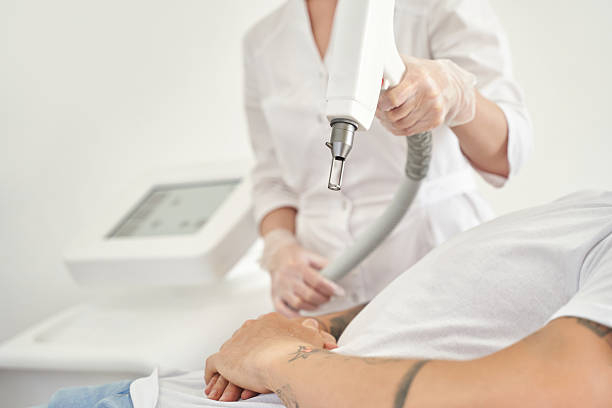
Laser tattoo removal is designed to target unwanted ink while minimizing unnecessary effects on the surrounding skin. However, as with other cosmetic laser procedures, there is a possibility of side effects, including skin irritation and, less commonly, scarring. Understanding the factors that influence this risk can help you approach laser tattoo removal with realistic expectations and make informed decisions about treatment and aftercare.
How Laser Tattoo Removal Affects the Skin
Tattoo-removal lasers deliver short pulses of energy that are absorbed by tattoo pigment. This energy breaks the ink into smaller particles, which the body gradually processes.
The treatment is designed to focus energy on the tattoo pigment while limiting damage to nearby tissue. Temporary redness, swelling, warmth, tenderness, blistering, or crusting can occur as the skin responds and heals.
In most cases, these reactions are temporary, but individual healing can vary.
Can Laser Tattoo Removal Cause Scarring?
Scarring is possible but is generally considered an uncommon complication when appropriate laser settings and professional techniques are used. The likelihood can depend on several factors, including treatment parameters, skin type, previous treatments, individual healing characteristics, and aftercare.
It is important to distinguish temporary post-treatment changes from permanent scars. Redness, swelling, crusting, or temporary changes in pigmentation do not necessarily mean that a permanent scar will develop.
What Increases the Risk of Scarring?
Several factors may increase the possibility of unwanted skin changes.
Excessive Treatment Intensity
Using inappropriate or unnecessarily aggressive laser settings can increase tissue irritation and potentially affect healing. Treatment should be adjusted according to the tattoo and the patient's skin characteristics rather than using the same settings for everyone.
Existing Skin Damage
If the treatment area is already irritated, sunburned, infected, or otherwise damaged, treatment may need to be postponed until the skin recovers.
Previous Tattoo Removal
Repeated treatments or previous removal methods can alter the condition of the skin. Your practitioner should know about any previous procedures performed on the tattoo.
Individual Healing
Some people naturally develop more noticeable scars or changes in skin texture after injuries. If you have a personal history of abnormal scarring, discuss it during your consultation.
Poor Aftercare
Picking, scratching, or removing crusts and blisters can interfere with healing. Unnecessary trauma to the treated skin may increase the risk of infection, pigmentation changes, and scarring.
Skin Type and Scarring Risk
Skin tone is an important consideration during laser treatment. Melanin can interact with laser energy, and individuals with higher levels of melanin may be more susceptible to temporary pigmentation changes if treatment is not appropriately adjusted.
Pigment changes are different from scarring, but they can affect the appearance of the treated area. Careful laser selection and individualized settings can help address these concerns.
A professional assessment is particularly important when treating darker skin tones or skin that has previously experienced pigmentation changes.
What Does Normal Healing Look Like?
Immediately after treatment, the tattoo area may appear red or swollen. Some people experience warmth, tenderness, small blisters, or crusting.
These effects can occur as part of the normal response to laser treatment. The skin may gradually settle as it heals. However, persistent or worsening symptoms should be discussed with your treatment provider.
Do not assume that every post-treatment reaction represents scarring. Your practitioner can evaluate the area if you are concerned about its appearance.
How to Reduce the Risk of Skin Damage
Following professional preparation and aftercare instructions is an important part of safe treatment.
Protect the Area From Sun Exposure
Recently treated skin can be sensitive to sunlight. Excessive UV exposure may increase the risk of pigmentation changes and can interfere with healthy recovery.
Avoid Picking or Scratching
If crusts or blisters develop, leave them undisturbed unless your provider gives different instructions. Picking can damage newly healing skin.
Keep the Area Clean
Follow the cleansing and wound-care instructions provided by your practitioner. Avoid unnecessary friction or products that have not been approved for the treated area.
Avoid Unapproved Skin Treatments
Do not apply strong exfoliants or undergo additional cosmetic procedures on the area without professional guidance while it is healing.
Does Laser Type Matter?
Different laser wavelengths are designed to target different tattoo pigments. Choosing an appropriate wavelength and treatment approach is important because excessive or poorly targeted energy may increase unwanted skin reactions.
Multicolored tattoos may require different wavelengths for different pigments. Treatment can also be adjusted according to skin tone and how the tattoo responds over time.
Why Multiple Sessions Can Be Safer Than Aggressive Treatment
Tattoo removal is generally a gradual process. The laser fragments tattoo pigment, and the body needs time to process these particles between sessions.
Trying to remove too much pigment during one appointment by using unnecessarily aggressive settings may increase skin stress without guaranteeing better results. Allowing appropriate intervals between treatments gives the skin time to recover and the body time to process fragmented pigment.
Can Existing Tattoo Scars Affect Treatment?
If the tattoo itself was created over scar tissue, the treatment area may require additional consideration. Scarred skin can have different characteristics from normal skin.
Tell your practitioner about any existing scars, previous injuries, or skin conditions in the tattoo area so they can assess whether treatment is appropriate and how it should be approached.
Understanding Realistic Results
Laser Tattoo Removal in Riyadh can significantly fade many tattoos, but results vary between individuals. Complete removal cannot always be guaranteed, and some tattoos may leave residual pigment or temporary changes in skin appearance.
A professional consultation can help identify factors that may influence the outcome and explain the potential risks before treatment begins.
Book Your Appointment at Royal Clinic Saudia
If you are concerned about scarring or other skin reactions during tattoo removal, Royal Clinic Saudia can assess your tattoo, skin type, and treatment history during a consultation. This allows potential risks and appropriate aftercare to be discussed before treatment.
FAQs:
Can laser tattoo removal permanently scar the skin?
Scarring is possible but uncommon. The risk can depend on treatment settings, skin characteristics, previous procedures, healing, and aftercare.
Does blistering after tattoo removal mean I will have a scar?
Not necessarily. Blistering or crusting can occur during normal healing. However, avoid picking the area and contact your provider if you are concerned about the reaction.
Can darker skin be treated with laser tattoo removal?
Yes, tattoo removal may be performed on different skin tones, but treatment settings should be carefully selected to reduce the risk of unwanted pigmentation changes.
How can I reduce the risk of scarring after treatment?
Follow your provider's aftercare instructions, avoid picking or scratching the treated area, protect it from excessive sunlight, and report unusual or prolonged reactions to your practitioner.