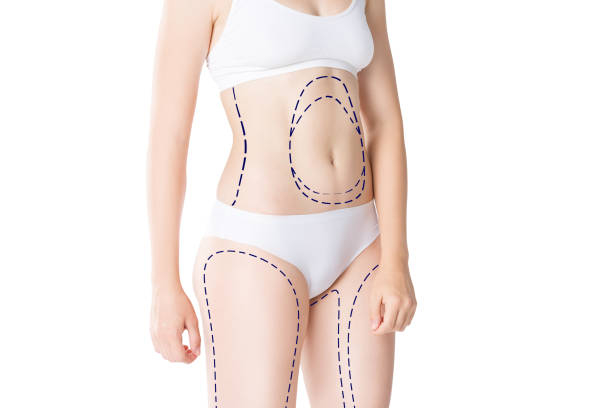
Abdominal body contouring can involve several different concerns, including localized fat, loose skin, and changes in the abdominal wall. Abdominal Liposuction and Tummy Tuck in Riyadh (عملية شد البطن في الرياض) may be considered together when a patient has more than one of these concerns. While liposuction focuses mainly on unwanted fat, a tummy tuck can address excess skin and, when appropriate, abdominal muscle changes.
Understanding Abdominal Liposuction
Abdominal liposuction is a surgical body-contouring procedure designed to remove localized deposits of subcutaneous fat. It may be considered when stubborn fat remains in areas such as the abdomen despite healthy eating and regular physical activity.
During liposuction, a surgeon uses a thin cannula to remove selected fat deposits beneath the skin. The objective is to improve body contours and proportions rather than achieve major weight reduction.
Liposuction can be particularly useful when the skin has sufficient elasticity to adapt to the reduction in underlying fat. However, when significant loose skin is present, removing fat alone may not address the patient's primary concern.
Understanding a Tummy Tuck
A tummy tuck, medically known as abdominoplasty, focuses primarily on excess abdominal skin. It may also address weakened or separated abdominal muscles in appropriate patients.
The procedure involves removing selected excess skin and repositioning the remaining tissue to create a smoother abdominal contour. When abdominal muscle separation is present and treatment is appropriate, the surgeon may repair the abdominal wall as part of the procedure.
Unlike liposuction, a tummy tuck is not primarily designed to remove localized fat. Its role is to address excess tissue and certain structural changes in the abdominal area.
How a Tummy Tuck Complements Liposuction
The two procedures can complement each other because they target different components of abdominal contouring. Liposuction focuses on fat, while a tummy tuck addresses excess skin and may address abdominal muscle changes.
For example, someone may have localized fat around the abdomen along with loose skin following pregnancy or major weight loss. In such circumstances, Abdominal Liposuction and Tummy Tuck in Riyadh may be discussed as part of a customized treatment plan.
The combination does not mean that both procedures are necessary for every patient. The appropriate approach depends on the individual's anatomy, health, skin quality, and treatment objectives.
When Combined Treatment May Be Considered
Combined treatment may be considered when a person has both localized abdominal fat and significant skin laxity. Liposuction can target selected fat deposits, while the tummy tuck can remove excess skin.
Some patients may also have weakened or separated abdominal muscles. When appropriate, muscle repair can be incorporated into the tummy tuck portion of treatment.
A surgeon must determine whether combining procedures is medically suitable. The decision may depend on the extent of surgery, overall health, previous procedures, skin condition, and expected recovery.
Who May Be Suitable?
People considering combined abdominal body contouring should generally be in appropriate overall health and have realistic expectations. Stable weight is also an important consideration because significant weight changes after surgery can affect the abdominal contour.
Potential candidates may have localized fat that does not respond sufficiently to lifestyle measures and excess skin that does not retract adequately.
A consultation is necessary to determine whether the concerns are best addressed through liposuction, a tummy tuck, or a combination approach.
The Importance of Skin Elasticity
Skin elasticity plays an important role in abdominal contouring. After fat is removed through liposuction, the skin needs to adapt to the new underlying contour.
If the skin has good elasticity, it may contract to some degree after liposuction. However, substantial skin laxity may require surgical skin removal through a tummy tuck.
This is one reason a physical examination is important before choosing a treatment approach.
What Happens During the Consultation?
During consultation, the surgeon may examine the abdomen to assess fat distribution, skin laxity, stretch marks, tissue quality, and the condition of the abdominal wall.
Medical history is also reviewed. Patients should provide information about previous surgeries, medications, allergies, medical conditions, smoking or nicotine use, and any previous healing or scarring concerns.
The surgeon can then explain the recommended approach, expected recovery, possible risks, and realistic outcomes.
Recovery After Combined Treatment
Recovery depends on the extent of surgery and the individual's healing process. Swelling, bruising, tenderness, tightness, and temporary changes in sensation may occur.
Recovery may be more involved when a tummy tuck and liposuction are combined because the treatment addresses multiple tissues. Patients may need to temporarily avoid heavy lifting and strenuous exercise.
Postoperative instructions may include guidance on wound care, compression garments, medication, bathing, activity restrictions, and follow-up visits. Following these instructions carefully can support appropriate healing.
Potential Risks and Scarring
As surgical procedures, both treatments involve potential risks. These may include infection, bleeding, fluid accumulation, delayed healing, changes in sensation, contour irregularities, and anesthesia-related complications.
A tummy tuck also produces a surgical scar. Its appearance varies according to surgical technique and individual healing. Patients should discuss scar expectations and postoperative care with their surgeon before treatment.
Maintaining the Results
Body-contouring procedures can create long-lasting changes, but they cannot prevent future changes in body shape. Significant weight fluctuations and pregnancy can affect abdominal contours.
Maintaining a relatively stable weight and following healthy lifestyle habits can help support the results after recovery.
Abdominal Liposuction and Tummy Tuck in Riyadh should therefore be viewed as individualized body-contouring options rather than general weight-loss treatments.
Book Your Appointment at Royal Clinic Saudia
If you are considering abdominal body contouring, Royal Clinic Saudia ( عيادات رويال كلينك ) can provide a personalized consultation to discuss your concerns and goals. Abdominal Liposuction and Tummy Tuck in Riyadh can be assessed according to your skin condition, fat distribution, abdominal anatomy, overall health, and desired outcome.
FAQs:
Can a tummy tuck and abdominal liposuction be performed together?
They may be combined in selected patients when the surgeon determines that the approach is medically appropriate.
What does liposuction address that a tummy tuck does not?
Liposuction primarily removes localized fat, while a tummy tuck focuses on excess skin and may address abdominal muscle changes.
Does a tummy tuck remove all abdominal fat?
A tummy tuck is primarily designed to address excess skin and abdominal wall concerns. Liposuction may be considered when localized fat also needs treatment.
Will combining the procedures increase recovery time?
Recovery varies by patient and surgical extent. Combining procedures can make recovery more involved than undergoing liposuction alone.