


Can Anti Snoring Laser Therapy Help Minimize Nighttime Snoring?
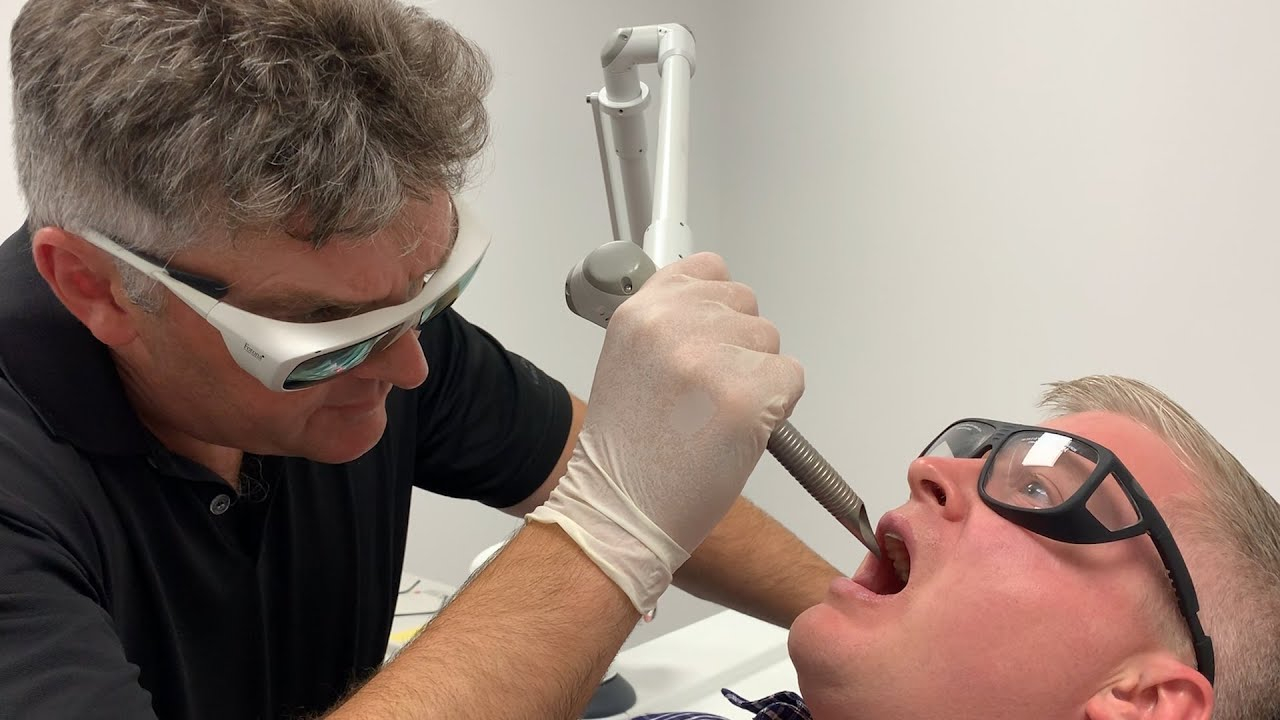
Nighttime snoring is a common concern that can affect sleep quality for both the person who snores and those around them. Snoring often occurs when relaxed tissues in the throat vibrate as air passes through a partially narrowed airway during sleep. While lifestyle factors and underlying medical conditions can contribute to snoring, some people seek non-surgical options to reduce its severity. Dynamic Life Clinic offers Anti Snoring Laser Treatment as a minimally invasive approach that aims to improve tissue firmness in the throat and reduce vibration associated with snoring. Studies have reported that laser-based treatments may reduce snoring intensity in appropriately selected patients, particularly those with primary snoring or mild airway-related concerns.
What Causes Nighttime Snoring?
Snoring occurs when airflow causes soft tissues in the upper airway to vibrate during sleep. The soft palate, uvula, tongue, and surrounding throat tissues may all contribute to the sound.
Several factors can increase the likelihood of snoring, including:
-
Relaxation of throat muscles during sleep
-
Excess body weight
-
Nasal congestion
-
Sleeping on the back
-
Smoking
-
Alcohol consumption before bedtime
-
Anatomical airway narrowing
The exact cause can vary from person to person, which is why proper evaluation is important before selecting a treatment approach.
How Does Anti-Snoring Laser Therapy Work?
Laser therapy is designed to deliver controlled heat energy to tissues of the soft palate and surrounding areas of the throat. The treatment encourages tissue remodeling and collagen stimulation, which may help make these tissues firmer and less likely to vibrate excessively during sleep.
As tissue firmness improves, airflow may become smoother and the intensity of snoring may decrease. Unlike traditional surgery, laser treatment is generally performed without incisions and is considered minimally invasive.
Can Laser Therapy Reduce Snoring Intensity?
Research suggests that laser-based snoring treatments can reduce the loudness and frequency of snoring in selected patients. A recent systematic review and meta-analysis found significant reductions in reported snoring intensity along with improvements in sleep-related quality measures following Er:YAG laser therapy.
Clinical studies have shown that many patients report noticeable improvement after treatment, although results vary according to airway anatomy, body weight, smoking status, and the underlying cause of snoring.
Is Anti-Snoring Laser Treatment Non-Surgical?
One of the main attractions of laser therapy is that it is generally considered a non-surgical or minimally invasive procedure. Unlike traditional surgical procedures that reshape throat tissues, laser treatment usually does not involve cutting, stitches, or lengthy recovery periods.
Many patients prefer this option because treatment sessions are relatively quick and normal activities can often be resumed shortly afterward. However, individual experiences may vary.
Who May Benefit From Anti-Snoring Laser Therapy?
People who experience habitual snoring without significant obstructive sleep apnea may be among the most suitable candidates for laser-based snoring treatment.
Potential candidates may include:
-
Adults with chronic snoring
-
Individuals bothered by throat tissue vibration
-
People seeking a minimally invasive option
-
Patients looking for an alternative to more invasive procedures
A professional assessment is necessary because not all snoring originates from the same anatomical structures.
Can Laser Therapy Treat Sleep Apnea?
This is an important distinction. Snoring and obstructive sleep apnea are not the same condition. Snoring is a sound caused by vibrating tissues, while sleep apnea involves repeated interruptions in breathing during sleep.
Evidence suggests that laser therapy may help selected individuals with primary snoring and some mild sleep-disordered breathing concerns. However, patients suspected of having obstructive sleep apnea require proper medical evaluation before considering laser treatment.
How Many Sessions Are Usually Required?
The number of sessions varies according to the treatment protocol and individual needs. Some laser snoring protocols involve multiple sessions spaced several weeks apart.
Treatment plans are typically customized after evaluating the patient's airway anatomy and snoring severity. Maintenance treatments may sometimes be recommended depending on how long the results last. Research indicates that benefits may continue for many months, although additional sessions may be required over time.
Can Lifestyle Changes Improve Results?
Yes. Addressing contributing factors can play an important role in overall snoring management.
Helpful measures may include:
-
Maintaining a healthy body weight
-
Avoiding alcohol before bedtime
-
Managing nasal congestion
-
Improving sleep position
-
Following healthy sleep habits
Laser therapy may work best when combined with appropriate lifestyle modifications rather than being viewed as the only solution.
Signs You Should Pay Attention To
Some symptoms suggest that a professional sleep-related evaluation may be beneficial:
-
Loud nightly snoring
-
Witnessed pauses in breathing during sleep
-
Frequent nighttime awakenings
-
Morning headaches
-
Excessive daytime sleepiness
-
Difficulty concentrating
-
Unrefreshing sleep
These symptoms may indicate a condition that requires further assessment beyond simple snoring management.
Is Anti-Snoring Laser Treatment Safe?
Published studies generally report a favorable safety profile for laser snoring treatments when performed appropriately. Reported side effects are usually mild and temporary, although individual experiences can vary.
As with any medical procedure, suitability should be determined through professional consultation and examination. Proper patient selection is considered important for achieving satisfactory outcomes.
Checkpoint
Anti-snoring laser therapy is designed to reduce vibration of soft throat tissues that contribute to nighttime snoring. By encouraging collagen remodeling and tissue tightening, the treatment may help decrease snoring intensity in selected individuals.
However, treatment success depends on the underlying cause of the snoring, overall health factors, airway anatomy, and whether other sleep-related conditions are present. Professional assessment remains an essential first step.
What Can Patients Expect During Treatment?
Treatment sessions are generally performed in a clinical setting and usually focus on the soft palate and surrounding tissues. The procedure is designed to be minimally invasive and typically does not require extensive recovery.
Some patients may notice gradual improvements over several weeks as tissue remodeling occurs. The timeline and degree of improvement vary between individuals and should be discussed during consultation.
Why Is Personalized Assessment Important?
Not all snoring has the same cause. For some individuals, the primary issue may involve soft palate vibration, while others may have nasal obstruction, excess tissue in different parts of the airway, or sleep apnea.
A personalized evaluation helps identify whether anti-snoring laser treatment is likely to be appropriate and whether additional interventions may be beneficial. This individualized approach helps align treatment with the patient's specific concerns.
Dynamic Life Clinic for Snoring Management
Dynamic Life Clinic provides professional assessment and treatment options for individuals seeking help with nighttime snoring. Anti-snoring laser therapy may be considered for suitable candidates who want a minimally invasive approach aimed at reducing throat tissue vibration and improving sleep comfort.
A consultation can help determine whether laser treatment aligns with the patient's symptoms, airway characteristics, and treatment goals.
Conclusion
Anti-snoring laser therapy may help minimize nighttime snoring by improving the firmness of soft tissues in the throat and reducing tissue vibration during sleep. Research has shown encouraging results for selected patients, particularly those experiencing primary snoring.
Categories
- Artificial Intelligence (AI)
- Technology
- Business
- Education
- Science
- Lifestyle
- Healthcare
- Entertainment
- Politics
- Environment
- Travel
- Finance
- Automobile
- News
- Art
- Causes
- Crafts
- career
- Dance
- Drinks
- Film
- Fitness
- Food
- Games
- Gardening
- Health
- Home
- Literature
- Music
- Networking
- Other
- Party
- Religion
- Shopping
- Sports
- Theater
- Wellness
Read More
The Biotin Gummies Market is growing as consumers increasingly look for convenient supplements that support hair, skin, and nail wellness. The market was valued at USD 1.5 billion in 2025 and is projected to reach USD 5 billion by 2035, expanding at a 13.1% CAGR from 2026 to 2035. Product development is moving toward vegan, organic, non-GMO, and sugar-free formulations. Manufacturers are also...

The global construction industry is undergoing a paradigm shift, moving beyond traditional building methods toward high-performance, sustainable, and chemically enhanced structures. As the world faces rapid urbanization and the need for more resilient infrastructure, the chemicals used to reinforce concrete and mortar are being reimagined for strength, durability, and environmental...
According to the latest report published by Data Bridge Market Research, the Heat Resistant Polymers Market The global Heat Resistant Polymers market was valued at USD 20.22 billion in 2024 and is expected to reach USD 44.09 billion by 2032. During the forecast period of 2025 to 2032 the market is likely to grow at a CAGR of 10.25%, primarily driven by the...

The Bariatric Manual Wheelchair Market reflects the growing need for mobility equipment capable of supporting users with higher weight requirements. These products are used across hospitals, rehabilitation facilities, nursing homes, and home-care environments where safe and dependable mobility assistance is needed. Market development is being supported by several factors, including an expanding...
The Western Europe Defibrillators Market covers implantable and external cardiac devices designed to provide rapid intervention during life-threatening arrhythmias and cardiac emergencies. Growing awareness of sudden cardiac arrest, expanding emergency response systems, and technological advancements in cardiac care are supporting market growth across the region. According to Business Market...
