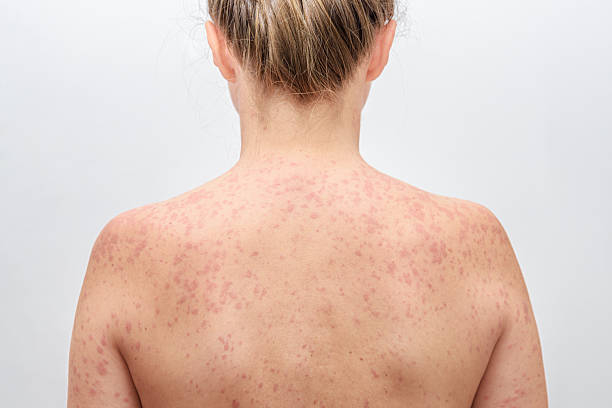
Back acne affects people of every skin type, but it does not respond identically in each. Oily skin tolerates stronger actives; dry skin needs barrier support first. Sensitive skin reacts to ingredients that others use without issue. How to Treat Back Acne (كيفية علاج حب الشباب في الظهر) Combination skin requires different approaches in different areas. Understanding How to Treat Back Acne properly means recognising that your skin type determines which products, frequencies, and techniques will actually work for you.
Why Skin Type Changes Everything
Oil Production Varies
Oily skin produces excess sebum that clogs follicles readily. Dry skin produces too little, compromising the barrier and triggering rebound oil when stripped.
Barrier Resilience Differs
Some skin tolerates strong actives with minimal irritation. Other skin reacts to nearly everything, requiring gentler introduction and lower concentrations.
Healing Speed Varies
Oily skin often heals faster but scars more readily from inflammation. Dry skin heals more slowly and shows texture changes more visibly.
Pigmentation Tendencies Differ
Darker skin tones carry higher risk of post-inflammatory hyperpigmentation. Fairer skin may show redness for longer.
Why This Matters
Anyone researching How to Treat Back Acne should match their routine to their skin type rather than following generic advice.
Oily Skin
Characteristics
Visible shine, enlarged pores, frequent congestion, and breakouts that develop quickly.
Cleansing Approach
Cleanse twice daily with a gel or foaming sulphate-free cleanser, optionally containing salicylic acid. Avoid heavy cream cleansers.
Active Choices
Salicylic acid is ideal because it is oil-soluble and penetrates follicles. Niacinamide regulates oil production. Adapalene helps with congestion.
Moisturising
Use gel or water-based formulas labelled oil-free and non-comedogenic. Skipping moisturiser increases oil production.
What to Avoid
Heavy creams, coconut oil, occlusive balms, and over-washing, which triggers rebound sebum.
Key Tip
Do not try to eliminate oil. Regulate it with consistent gentle care instead.
Dry Skin
Characteristics
Tightness after cleansing, flaking, dullness, and breakouts that coexist with dehydration.
Cleansing Approach
Use a hydrating cream or lotion cleanser with lukewarm water. Avoid foaming cleansers that strip the barrier.
Active Choices
Lactic acid is gentler and hydrating. Azelaic acid suits reactive dry skin. Introduce retinoids slowly with buffering.
Moisturising
Apply a richer non-comedogenic moisturiser containing ceramides and glycerin. Moisturising is central, not optional.
What to Avoid
Hot showers, harsh soaps, alcohol-based toners, and strong concentrations that worsen dehydration.
Key Tip
Treat the barrier first. Dry, compromised skin produces more oil and heals more slowly.
Sensitive Skin
Characteristics
Redness, stinging, reactivity to products, and breakouts that worsen with aggressive treatment.
Cleansing Approach
Use the simplest fragrance-free, sulphate-free formula available. Keep contact brief and water lukewarm.
Active Choices
Azelaic acid, mandelic acid, and gluconolactone are the gentlest effective options. Niacinamide supports tolerance.
Moisturising
Choose soothing formulas with panthenol, allantoin, and ceramides. Apply generously and consistently.
What to Avoid
Fragrance, essential oils, alcohol, physical scrubs, and layering multiple actives.
Key Tip
Introduce one product at a time and allow two weeks before assessing tolerance. A Back acne treatment plan for sensitive skin should prioritise calm over speed.
Combination Skin
Characteristics
Oily in some areas, dry or normal in others. Breakouts may cluster in specific zones while other areas remain clear.
Cleansing Approach
Use a gentle gel cleanser that cleans without stripping. Avoid formulas designed for very oily or very dry skin.
Active Choices
Salicylic acid suits congested areas. Azelaic acid works well across combination skin because it balances oil without excessive drying.
Moisturising
Use lightweight lotions and adjust per area if needed. A gel moisturiser often works well across the back.
What to Avoid
Applying strong actives to dry areas, and heavy creams to oily zones.
Key Tip
Treat zones differently if necessary. There is no rule requiring identical products across the entire back.
Acne-Prone Skin With Pigmentation Concerns
Characteristics
Breakouts leave dark marks that persist long after blemishes heal.
Cleansing Approach
Gentle, fragrance-free cleansing with lukewarm water. Harsh cleansing worsens pigmentation.
Active Choices
Azelaic acid, niacinamide, retinoids, and mandelic acid help fade marks while clearing acne.
Moisturising
Barrier support accelerates healing and reduces new pigmentation. Lightweight non-comedogenic lotion works well.
What to Avoid
Picking, physical scrubs, unprotected sun exposure, and harsh lightening products.
Key Tip
Control active acne first. Fading marks while new breakouts continue produces limited progress.
Mature Skin
Characteristics
Thinner skin, reduced elasticity, slower healing, and breakouts that may coexist with dryness.
Cleansing Approach
Use gentle hydrating cleansers. Avoid anything that leaves skin feeling tight.
Active Choices
Lower concentrations of salicylic acid, azelaic acid, and retinoids introduced slowly. Barrier support is essential.
Moisturising
Richer non-comedogenic moisturisers with ceramides and peptides support skin structure.
What to Avoid
Aggressive exfoliation, high-concentration acids, and over-treatment, which mature skin tolerates poorly.
Key Tip
Patience matters more with mature skin. Healing takes longer, so prevention is especially valuable.
Skin Prone to Fungal Acne
Characteristics
Itchy, uniform bumps that do not respond to standard acne treatments and often worsen in heat and humidity.
Cleansing Approach
Gentle cleansing with fragrance-free formulas. Avoid heavy oils that feed Malassezia.
Active Choices
Standard acne actives may not help. Antifungal ingredients such as zinc pyrithione or ketoconazole may be more appropriate, but require professional confirmation.
Moisturising
Choose lightweight, non-comedogenic formulas free from oils that feed yeast.
What to Avoid
Heavy plant oils, occlusive balms, and assuming standard acne treatment will work.
Key Tip
If breakouts are itchy and uniform, seek professional assessment. A Back acne treatment plan for fungal acne differs significantly from bacterial acne.
Universal Principles Across All Skin Types
Gentle Cleansing
Twice daily plus after sweating. Lukewarm water, brief contact, no scrubbing.
One Active at a Time
Introduce slowly and build tolerance before adding anything else.
Consistent Moisturising
Every skin type benefits from barrier support. Choose texture appropriate to your type.
Prompt Post-Sweat Rinsing
This single habit benefits all skin types and prevents most friction-related breakouts.
Breathable Fabrics
Loose cotton and moisture-wicking materials reduce friction and heat regardless of skin type.
Laundry Hygiene
Fragrance-free detergent, no fabric softener, frequent washing of bedding and towels.
Sun Protection
Prevents pigmentation and protects healing skin across all skin types.
Patience With Timelines
Visible improvement takes four to eight weeks regardless of skin type. Consistency determines outcomes.
When to Seek Professional Help
No Improvement After Twelve Weeks
If consistent care produces no meaningful change, prescription options may be necessary.
Deep or Painful Lesions
Nodular acne requires professional care and carries higher scarring risk.
Suspected Fungal Acne
Itchy, uniform breakouts require different treatment than bacterial acne.
Significant Pigmentation or Scarring
Professional treatments can improve marks and texture once active acne is controlled.
Customised Planning
A Back acne treatment plan should be tailored to your skin type and sensitivity. Dermatologists can recommend options that clear without aggravating.
Final Thoughts: Match the Routine to the Skin
Back acne treatment is not one-size-fits-all. Oily, dry, sensitive, combination, mature, and fungal-prone skin each require different approaches to cleansing, actives, and moisturising. Understand How to Treat Back Acne as a personalised process, and your routine will work with your skin rather than against it.
For those seeking expert guidance and customized aesthetic care, you can book an appointment consultation at the 'Enfield Royal Riyadh(إنفيلد رويال الرياض).
FAQs
Which back acne treatment suits oily skin?
Salicylic acid combined with a lightweight gel moisturiser and gentle twice-daily cleansing.
What works best for dry skin with back acne?
Hydrating cleansers, lactic or azelaic acid, and rich non-comedogenic moisturisers with ceramides.
How should sensitive skin approach back acne?
Use azelaic or mandelic acid, fragrance-free products, and introduce one item at a time slowly.
Can I use the same routine for combination skin?
Often yes, but you may need to treat oily and dry zones differently for best results.
How do I know if I have fungal acne?
Itchy, uniform bumps that do not respond to standard treatments suggest fungal acne, so seek professional assessment.