


BA Integrated Health: UK Degree & Top-Up Guide

BA Integrated Health Your Guide to UK Study
Healthcare is a constantly evolving sector, creating demand for professionals who understand both health and social care. If you already have relevant qualifications or experience and want to progress academically, a BA Integrated Health programme can provide a valuable route towards higher-level study and professional development.
For UK learners, understanding how an integrated health degree works can help when planning the next stage of an education or career journey. Whether your background is in healthcare, social care, community support, or a related field, studying at degree level can help develop knowledge across multiple areas of health and wellbeing.
OLC Europe supports learners looking to explore higher education opportunities and progression routes that align with their professional ambitions.
What Is a BA Integrated Health Degree?
A BA Integrated Health degree typically brings together concepts from health, wellbeing, social care, community services, and related areas. Rather than focusing narrowly on one aspect of healthcare, integrated study encourages learners to consider how different services and professionals can work together to support individuals and communities.
Understanding Integrated Health
Modern healthcare often involves collaboration between different professionals and organisations. A person's wellbeing may involve physical health, mental wellbeing, social circumstances, family support, and community services.
An integrated health programme can help students explore these connections while developing transferable academic and professional skills.
What Can You Study?
The exact modules vary between institutions, but an integrated health degree may cover topics such as:
- Health and wellbeing
- Health and social care practice
- Public health
- Community-based services
- Leadership and management
- Research methods
- Professional development
- Health inequalities
- Safeguarding and person-centred care
Always check the specific course structure and learning outcomes before applying.
Who Can Benefit from BA Integrated Health Study?
A BA Integrated Health pathway can be relevant to learners who already have experience or qualifications in healthcare, social care, community services, or related disciplines.
It may also appeal to professionals who want to strengthen their academic knowledge while preparing for further responsibilities within health and care environments.
Develop Transferable Skills
Degree-level study can help learners build skills that are valuable across many professional settings. These may include communication, critical thinking, research, problem-solving, teamwork, leadership, and reflective practice.
These skills can support career development in a range of health and care-related environments.
Build Academic Confidence
Returning to education after gaining work experience can be a significant step. A structured degree programme can help learners develop their ability to analyse evidence, evaluate professional practices, and communicate ideas effectively.
What Is a Health and Social Care Top Up Degree?
A health and social care top up degree is generally designed for learners who already hold a relevant higher education qualification and want to progress towards a bachelor's degree.
Instead of starting a full undergraduate programme from the beginning, eligible students may be able to complete the remaining level of study required for their degree.
Check Your Existing Qualification
Entry requirements vary between universities and providers. A relevant Level 4 or Level 5 qualification may be considered for certain top-up routes, but acceptance depends on the institution and specific programme.
Before applying, check:
- Your existing qualification and awarding organisation
- Credit value
- Subject relevance
- Entry requirements
- Previous learning
- English language requirements, where applicable
- Assessment and study format
This can help you determine whether a particular health and social care top up degree is appropriate for your academic background.
Benefits of Studying Integrated Health in the UK
Choosing an integrated health programme can provide several academic and professional development opportunities.
Broader Understanding of Health and Care
Healthcare does not operate in isolation. Understanding how health, social care, communities, and support services interact can provide a broader perspective on individual and population wellbeing.
Preparation for Career Progression
A bachelor's degree may support progression towards roles where degree-level knowledge is useful or required. However, specific professional roles can have additional registration, experience, or qualification requirements.
Flexible Progression Opportunities
For learners with previous higher education study, a top-up route may provide a more focused way to achieve a bachelor's degree, subject to eligibility.
How to Choose the Right Programme
Before enrolling on a BA Integrated Health course, compare programmes carefully rather than choosing based solely on the course title.
Review the Course Content
Look at modules, assessments, learning outcomes, teaching methods, and the balance between theory and practical application.
Check Progression and Recognition
Confirm the awarding institution, qualification details, entry requirements, and potential progression routes. If you have a specific career goal, research whether additional professional requirements apply.
Consider Your Study Needs
Think about whether you need full-time, part-time, online, or blended learning. Choosing a format that fits your work and personal commitments can make continuing education more manageable.
Why Consider OLC Europe?
OLC Europe provides learners with opportunities to explore education and professional development pathways. If you are considering a BA Integrated Health programme or a health and social care top up degree, researching course requirements and progression options is an important first step.
Before making an application, review the programme information carefully and confirm that your previous qualifications meet the relevant entry criteria.
Frequently Asked Questions
What is a BA Integrated Health degree?
A BA Integrated Health degree focuses on interconnected areas of health, wellbeing, social care, community services, and professional practice. Course content varies by provider.
Who can apply for a health and social care top up degree?
Eligibility depends on the programme. Applicants generally need a relevant previous higher education qualification, but specific credit and subject requirements vary.
Can I study integrated health after a Level 5 qualification?
A relevant Level 5 qualification may provide a pathway to certain degree top-up programmes. Always confirm the exact entry and credit requirements with the institution.
What careers can a BA Integrated Health support?
Graduates may pursue opportunities across health, social care, community services, administration, support, and related sectors. Specific roles may require additional qualifications or professional registration.
Is a top-up degree shorter than a full bachelor's degree?
A top-up programme can be shorter because it builds on previous higher education study. The duration and eligibility depend on the institution, existing credits, and programme structure.
Take the Next Step with OLC Europe
A BA Integrated Health can provide a broader academic understanding of health, wellbeing, and social care while helping learners develop transferable professional skills. For those who already hold relevant qualifications, a health and social care top up degree may offer a focused route towards bachelor's-level study.
Explore your study options with OLC Europe today. Review available programmes, check your eligibility, and take the next step towards achieving your academic and professional goals in the UK health and social care sector.
Categories
- Artificial Intelligence (AI)
- Technology
- Business
- Education
- Science
- Lifestyle
- Healthcare
- Entertainment
- Politics
- Environment
- Travel
- Finance
- Automobile
- News
- Art
- Causes
- Crafts
- career
- Dance
- Drinks
- Film
- Fitness
- Food
- Games
- Gardening
- Health
- Home
- Literature
- Music
- Networking
- Other
- Party
- Religion
- Shopping
- Sports
- Theater
- Wellness
Read More
Introduction The global Soundproof Curtains Market is witnessing steady growth, driven by increasing urbanization, rising noise pollution, and a growing emphasis on acoustic comfort across residential and commercial spaces. As modern lifestyles demand quieter and more productive environments, soundproof curtains have emerged as a cost-effective and flexible alternative to permanent...

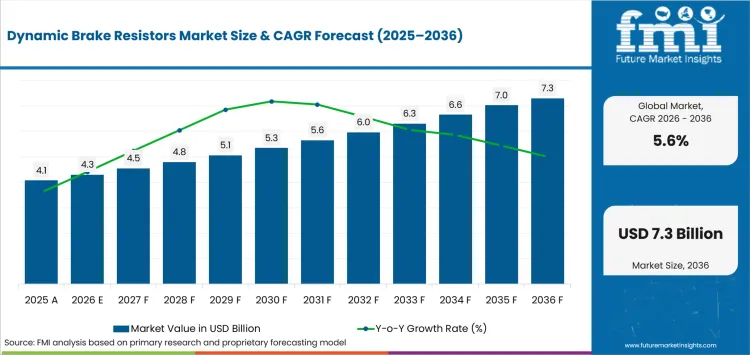
According to Future Market Insights (FMI), the global dynamic brake resistors market is projected to grow from USD 4.3 billion in 2026 to USD 7.3 billion by 2036, expanding at a 5.6% CAGR during the forecast period. Increasing deployment of motor-driven equipment, automated motion systems, and variable frequency drives is creating demand for reliable braking-energy management where...
The France Liquid Biopsy Market represents an evolving segment of the diagnostic healthcare industry, supported by advances in molecular testing and growing interest in personalized medicine. Liquid biopsy can examine tumor-associated biomarkers from biological samples and offers a less invasive alternative to conventional tissue sampling in certain applications. Market Research Future projects...
The acoustic panel market is experiencing steady growth, driven by increasing awareness of noise pollution and the need for improved sound quality across residential, commercial, and industrial spaces. Acoustic panels are widely used to control sound reverberation, reduce noise levels, and enhance overall acoustic comfort. With rapid urbanization and infrastructure development,...

Warm Edge Spacer Bar Market Report Overview The Warm Edge Spacer Bar Industry report delivers a comprehensive assessment of the Warm Edge Spacer Bar market, providing strategic insights into the factors influencing industry growth and long-term development. Built on extensive primary interviews, secondary research, and validated analytical models, the study examines market performance...
