

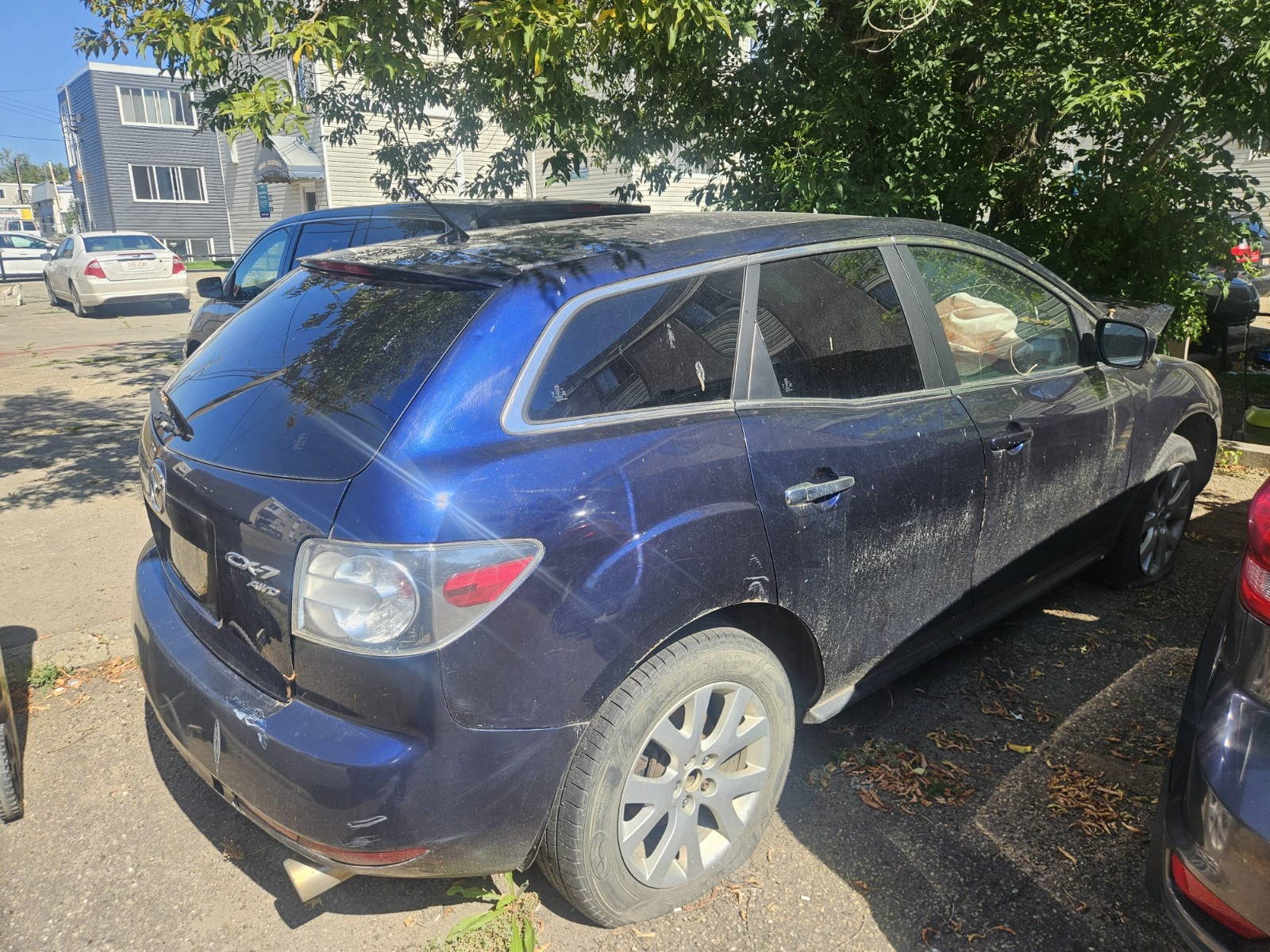

Vehicle age is one of the first details buyers consider when evaluating a car, but it does not tell the whole story. A newer vehicle can sometimes receive a lower cash offer than an older one if it has serious mechanical damage, while an older vehicle in good condition may still have useful parts and strong resale potential.
For Calgary sellers, understanding how age interacts with condition, mileage, parts demand, and overall vehicle value can make it easier to set realistic expectations before requesting an offer. Local cash-for-cars services commonly consider the vehicle year alongside factors such as make and model, condition, mileage, reusable parts, weight, and current market conditions.
Does an Older Car Automatically Get a Lower Offer?
Not necessarily.
Age generally causes a vehicle's market value to decrease over time, but a cash offer is based on the vehicle's current value rather than its age alone.
For example, a 10-year-old vehicle with a strong engine, complete interior, good body condition, and desirable model may still be worth considerably more than an older vehicle that has been badly damaged or stripped of important components.
Similarly, an older truck may retain useful value because of its weight, parts, and demand, even when its age is relatively high.
This is why sellers should avoid calculating a vehicle's value using the year alone.
Why Does Vehicle Age Matter?
As vehicles get older, several things can affect their value.
Older vehicles generally have:
· More accumulated wear
· Greater mileage
· More mechanical maintenance needs
· Older safety and technology features
· Increased risk of component failure
· Greater exposure to rust and weather
· Lower demand in some used-vehicle markets
Depreciation can also reduce what buyers are willing to pay for an older vehicle.
However, depreciation does not mean that every older vehicle becomes a scrap car. A well-maintained older vehicle can continue providing useful transportation, while another vehicle of the same age may be approaching the end of its practical life.
How Does Age Interact With Mileage?
Age and mileage are closely related, but they measure different things.
A 12-year-old car with relatively low mileage may have experienced less driving-related wear than a 12-year-old car with very high mileage. However, low mileage does not guarantee excellent condition.
A vehicle that has barely been driven but has spent years sitting outdoors could still have issues involving tires, seals, battery systems, brakes, or rust.
On the other hand, a higher-mileage vehicle that received regular maintenance may remain mechanically useful.
When requesting a cash offer, provide the mileage if you know it, but also explain the vehicle's actual condition.
Can an Older Car Still Have Valuable Parts?
Yes.
An older vehicle can still contain components that have value to a buyer, recycler, or parts market.
Depending on the make and model, these may include:
· Engine components
· Transmission
· Wheels
· Body panels
· Interior components
· Electronics
· Catalytic converter
· Alternator
· Starter
· Other reusable mechanical parts
The demand for those components can vary considerably between vehicles.
This means two cars from the same year may receive different offers because their parts have different levels of demand.
Does the Make and Model Matter More as a Car Gets Older?
It can.
Vehicle age provides context, but make and model can influence how useful or desirable the vehicle remains.
Some models have strong demand for replacement parts, while others may have fewer buyers or less valuable components.
A common older vehicle with readily available parts can therefore have a different cash value from a less common vehicle of the same age.
Calgary owners can explore cash for cars Calgary options to get an idea of what their older vehicle may be worth based on its current condition.
For sellers, this is another reason not to assume that an old vehicle is worth only its scrap-metal value.
What Happens When an Older Car Stops Running?
A non-running older vehicle can still have value, but its condition becomes especially important.
If the engine has failed, buyers may look at whether other components remain usable. They may also consider the vehicle's weight and recyclable materials.
A non-running vehicle with an intact body, useful parts, and complete components can be evaluated differently from a stripped or severely damaged vehicle.
Calgary cash-for-cars services advertise purchasing both running and non-running vehicles, with offers depending on factors such as year, condition, parts, and materials.
Can a Newer Damaged Car Be Worth Less Than an Older Car?
It is possible.
Consider two hypothetical vehicles:
Vehicle A: A newer car with major mechanical damage, missing components, and severe body damage.
Vehicle B: An older car with a functioning drivetrain, complete components, and relatively good overall condition.
Although Vehicle A is newer, Vehicle B could potentially receive a stronger offer depending on the buyer's evaluation.
This demonstrates why vehicle age should be viewed as one factor rather than a complete valuation formula.
How Does Condition Change the Effect of Age?
Condition can significantly change how age is interpreted.
An older vehicle in excellent condition may still appeal to buyers looking for affordable transportation. An older vehicle in poor condition may instead be evaluated primarily for parts and recyclable materials.
Important condition factors include:
· Engine performance
· Transmission condition
· Body damage
· Rust
· Interior condition
· Tire condition
· Missing parts
· Accident history
· Whether the vehicle starts and moves
The more complete and usable the vehicle is, the more opportunities there may be for it to retain value.
What About an Older Car With High Mileage?
High mileage can reduce the value of an older vehicle because it usually indicates greater accumulated use.
However, mileage should not be considered separately from maintenance and condition.
A high-mileage vehicle with documented maintenance and a healthy drivetrain can have a different value from another high-mileage vehicle with major mechanical problems.
When requesting an offer, provide the actual mileage instead of trying to hide it. An accurate description allows the buyer to evaluate the vehicle more realistically.
Does Age Affect Scrap Value?
It can, but not in exactly the same way it affects used-car value.
When an older vehicle is being sold primarily for scrap, its recyclable metal and overall weight may become more important. Local Calgary buyers describe vehicle weight, materials, reusable parts, and current scrap-market conditions as factors that can affect offers.
As a result, an older vehicle can still have a reasonable scrap-related value even when its resale value as a functioning car has become very low.
Should You Repair an Older Car Before Selling It?
This depends on the vehicle and the expected repair cost.
An expensive repair does not automatically make an older car more valuable by the same amount. If a vehicle needs several major repairs, spending thousands of dollars before selling may not make financial sense.
Before authorizing repairs, find out what the vehicle could be worth in its current condition.
For older vehicles that are no longer practical to repair, scrap car removal Calgary can provide a convenient way to sell the vehicle as-is and clear it from your property.
Then compare that figure with:
· Estimated repair costs
· Parts costs
· Labour
· Expected improvement in resale value
· How long you plan to keep the vehicle
This comparison can help you avoid spending heavily on a vehicle simply because it is still technically repairable.
What Information Should Calgary Sellers Provide?
A buyer will usually need enough information to understand the vehicle being offered.
Useful details include:
· Vehicle year
· Make and model
· Mileage
· Whether it runs
· Engine and transmission condition
· Body damage
· Rust
· Missing parts
· Tire condition
· General location
Clear photographs can also help show the vehicle's actual condition.
Being accurate is important because a cash offer based on incomplete information may change after the vehicle is inspected.
Does Vehicle Age Ever Stop Mattering?
For very old vehicles, age may become less important than condition and material value.
Once a vehicle has reached the end of its useful driving life, buyers may focus more heavily on what remains usable or recyclable.
At that point, questions such as these become more important:
Is the vehicle complete?
Does it contain reusable parts?
How much recyclable material does it contain?
Is the vehicle easy to remove?
These factors can have more practical importance than whether the vehicle is 15, 18, or 20 years old.
Final Thoughts
Vehicle age matters when determining a cash offer in Calgary, but it should never be treated as the only factor.
A newer vehicle may have strong value because of its condition and usable components, while an older vehicle can still be worth money because of its parts, weight, materials, or remaining mechanical value. Calgary cash-for-cars sources specifically identify year alongside condition, mileage, make and model, reusable parts, weight, and market conditions when evaluating vehicles.
If you are selling an older car, provide accurate information about its age and current condition rather than assuming that age alone determines the offer. The most useful comparison is the vehicle's actual value in its present state—not simply the number of years since it was manufactured.

