


Can a Rare Car Still Have Strong Cash Value When It No Longer Runs?
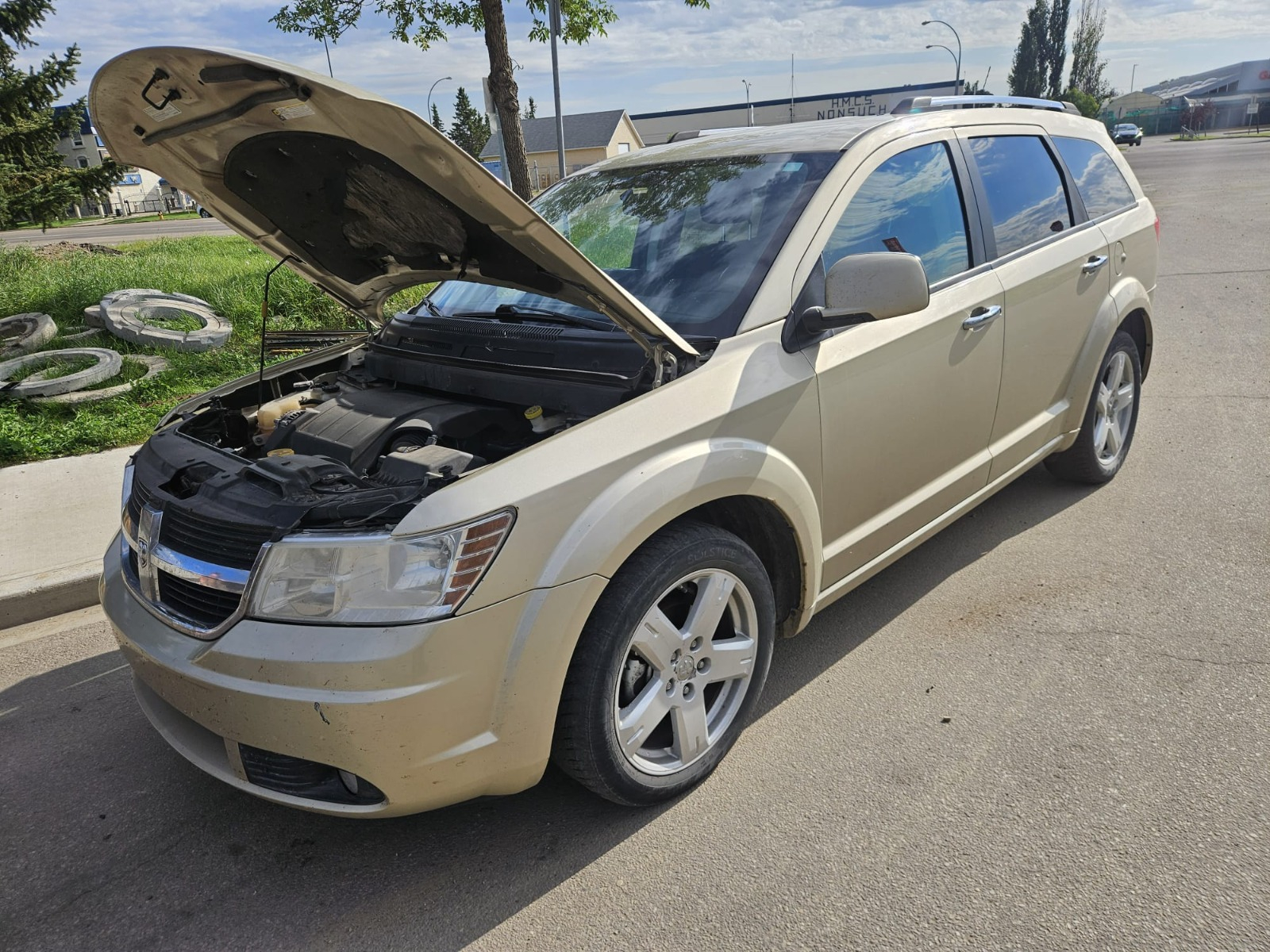
A car does not have to be running perfectly to retain value. This can be especially true when the vehicle is rare, limited-production, historically significant, or difficult to find in the local market. While a non-running ordinary vehicle may be evaluated mainly for its usable components and recyclable materials, a rare car can have another layer of value because collectors and restoration enthusiasts may be interested in preserving it.
However, rarity alone does not guarantee a high cash offer. Condition, originality, completeness, documentation, demand, and the cost of transporting or restoring the vehicle can all influence how a buyer evaluates it. Classic-car valuation guides similarly identify rarity, condition, originality, and market demand as important factors.
Does a Rare Car Lose Most of Its Value When It Stops Running?
Not necessarily.
A non-running engine can reduce the value of almost any vehicle because the buyer may need to diagnose or repair it. But with a rare vehicle, the rest of the car may still be important.
A rare car could retain value through:
· Original body panels
· Factory interior
· Rare trim
· Original wheels
· Special equipment
· Matching or original drivetrain components
· Limited-production specifications
· Historical documentation
· Hard-to-find replacement parts
This means the question is not simply, “Does it run?”
A more useful question is, “What remains valuable about the vehicle despite the mechanical problem?”
Why Rarity Can Make a Difference
A common car may have thousands of similar vehicles available for parts or replacement. A rare model may have far fewer examples remaining.
That scarcity can make certain components more interesting to collectors and restoration shops.
For example, a discontinued trim piece might be inexpensive on an ordinary mass-produced vehicle but difficult to replace on a limited-production model. The same can apply to original interior pieces, badges, wheels, glass, body panels, and factory equipment.
The value therefore comes from more than the vehicle's weight as scrap metal.
Calgary owners can explore cash for cars Calgary options to have a rare non-running vehicle evaluated based on its current condition and potential value.
Is a Non-Running Rare Car Automatically a Collector Car?
No.
An old vehicle is not automatically a collectible simply because it is rare.
Collectors may consider several factors, including:
· Production numbers
· Originality
· Model significance
· Factory specifications
· Condition
· Restoration potential
· Documentation
· Current collector demand
A vehicle can be uncommon without being highly desirable.
For example, a model may have had low production numbers but little current demand. Another vehicle might have a much larger production run but be highly sought after because of its historical importance or performance reputation.
This is why sellers should research the exact year, model, trim, and specifications rather than relying only on the word “rare.”
Does Originality Matter?
It can matter significantly.
A rare car with many original components may attract different interest from a heavily modified example.
Important original features can include:
· Engine
· Transmission
· Interior
· Wheels
· Dashboard
· Badges
· Factory paint
· Special-option equipment
This does not mean every modification reduces value. Some period-correct modifications may be desirable to particular buyers.
The important point is to document what the vehicle currently has instead of assuming that every part is original.
What If the Engine Is Completely Dead?
A failed or seized engine does not necessarily erase the vehicle's other sources of value.
A buyer may consider whether the engine can be rebuilt, whether another engine is available, or whether the original engine itself is valuable as part of an authentic restoration.
The transmission, body, interior, suspension components, glass, wheels, and other parts may also remain useful.
Non-running vehicles are commonly evaluated according to the condition and demand for the components that remain usable, rather than simply being treated as worthless because they cannot currently be driven.
Can Body Condition Matter More Than the Engine?
Sometimes.
Imagine a rare vehicle with a non-running engine but a solid, mostly complete body. Restoring the mechanical components may be possible while preserving valuable original panels and interior pieces.
Now compare that with the same model suffering from severe structural corrosion, missing trim, missing interior components, and extensive body damage.
Both cars may have the same engine problem, but their overall value can be very different.
For a rare vehicle, preserving hard-to-replace original components can be particularly important.
Does Documentation Increase Confidence in the Car's Value?
Documentation can help establish what the vehicle actually is.
Useful records may include:
· Original purchase documents
· Old registration records
· Service receipts
· Restoration records
· Factory documentation
· Photographs
· Original manuals
· Documentation showing special options
A clear VIN and legitimate ownership paperwork are also important when selling a vehicle.
Documentation does not automatically add a specific dollar amount to an offer, but it can make it easier for a buyer to verify the vehicle's history and specifications.
What If the Car Has Been Sitting for Years?
Long-term storage can create additional problems.
A rare vehicle that has been parked for years may develop:
· Rust
· Tire deterioration
· Brake problems
· Battery failure
· Moisture damage
· Wiring issues
· Interior deterioration
· Seized mechanical components
This can reduce the vehicle's condition even if its rarity remains unchanged.
If you own a rare non-running car, it is therefore useful to document its condition carefully before requesting an offer. Clear photos of the body, interior, engine bay, wheels, VIN area, and any visible damage can help a potential buyer understand what is actually being offered.
Should You Repair a Rare Car Before Selling It?
There is no universal answer.
A major repair can make sense in some situations, but spending heavily on restoration does not guarantee that you will recover the cost when selling.
Before paying for repairs, consider:
1. What is the vehicle worth in its current condition?
2. What exactly needs to be repaired?
3. How much will the repair cost?
4. Are replacement parts available?
5. Is there genuine demand for this particular model?
6. Would the repair make the vehicle easier to sell?
For a rare vehicle, obtaining an opinion from someone familiar with collectible or specialty cars may be more useful than relying only on a standard scrap-car estimate.
Should You Sell It as a Whole Car or for Parts?
This depends heavily on the vehicle.
Dismantling a rare vehicle can destroy some of the value that comes from keeping the car complete. A collector or restoration buyer may prefer a complete project rather than a collection of individual components.
Before removing parts, compare the potential value of the complete vehicle with the value of selling components separately.
If the vehicle is no longer practical to keep or restore, scrap car removal Calgary can provide a convenient option for selling and removing it as-is.
A rare car may be one of the situations where preserving completeness is particularly important.
How Should You Describe a Rare Non-Running Car?
Be specific.
Instead of simply saying:
“Rare car, doesn't run.”
Provide details such as:
· Exact year
· Make and model
· Trim
· Engine
· Transmission
· Mileage
· How long it has been inactive
· Known mechanical problem
· Body condition
· Interior condition
· Original or modified components
· Available documentation
· Missing parts
This gives buyers a much clearer picture and reduces misunderstandings during the valuation process.
What Can Lower the Cash Offer?
Even a rare vehicle can receive a lower offer when important value has been lost.
Factors that may work against the vehicle include:
· Severe structural rust
· Extensive accident damage
· Missing original components
· Incomplete interior
· Unknown ownership history
· Missing documentation
· Heavy modifications
· Long-term deterioration
· Difficult access for removal
Rarity can create potential, but the vehicle still has to be evaluated as it actually exists today.
Final Thoughts
A rare car can still have meaningful cash value even when it no longer runs. Its value may come from rarity, originality, desirable specifications, usable components, restoration potential, and collector demand rather than simply its ability to drive.
At the same time, rare does not automatically mean valuable. Condition, completeness, documentation, and current demand can make a major difference. Classic-car valuation sources emphasize these factors rather than relying on age or rarity alone.
If you have a rare non-running vehicle, document exactly what you have before making major repairs or removing parts. Understanding the car's complete condition can help you determine whether it should be evaluated as a collector project, specialty vehicle, parts source, or conventional salvage vehicle.
Categories
- Artificial Intelligence (AI)
- Technology
- Business
- Education
- Science
- Lifestyle
- Healthcare
- Entertainment
- Politics
- Environment
- Travel
- Finance
- Automobile
- News
- Art
- Causes
- Crafts
- career
- Dance
- Drinks
- Film
- Fitness
- Food
- Games
- Gardening
- Health
- Home
- Literature
- Music
- Networking
- Other
- Party
- Religion
- Shopping
- Sports
- Theater
- Wellness
Read More
Market Overview and Growth Outlook The automotive coatings market entered its forecast cycle from a USD 16.3 billion base in 2024 and is projected to reach USD 23.09 billion by 2032. The market is expected at USD 17.08 billion in 2025, following 4.7% year-over-year growth in 2024 and projected annual growth of 4.8% in 2025. The automotive coatings market is expected to grow at a CAGR of...

Financial planning is one of the most important decisions a family can make, and finding the right LIC insurance advisor Pune residents can genuinely rely on is the first step toward long-term security. Insurance is not just about buying a policy — it's about building a plan that protects your loved ones, grows your savings, and adapts as your life changes. What Makes a Good LIC Insurance...

The Instant Cold Brew Coffee Market is entering a new phase of growth as evolving consumer expectations reshape the global coffee industry. Modern coffee drinkers increasingly seek premium beverages that combine convenience, consistency, and exceptional flavor. Instant cold brew coffee addresses these expectations by delivering smooth, refreshing coffee experiences without requiring expensive...

A clean home is more than a pleasant place to live—it supports your family's health, protects your investment, and makes everyday life more enjoyable. Yet between demanding work schedules, school activities, and personal commitments, keeping every room spotless can quickly become overwhelming. Dust accumulates, kitchens become harder to manage, and bathrooms often need more attention than...

In today's digital world, accessing accurate and timely information is more important than ever. For Matka enthusiasts, staying updated with the latest charts, results, historical records, and market insights can make a significant difference. That's where Matka Play Pro comes in. Matka Play Pro is a dedicated online Matka information platform designed to provide users with reliable, fast, and...

