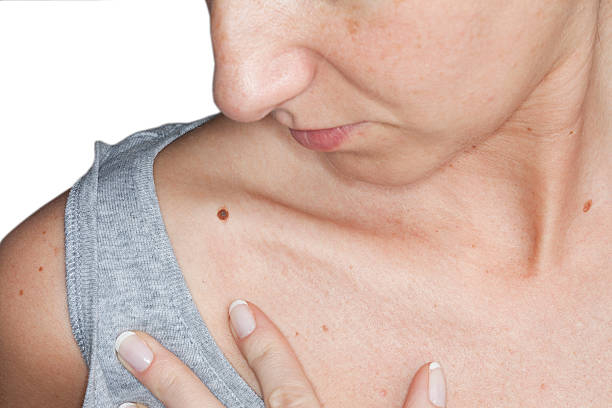
Most mole removal discussions centre on appearance. But there is another category of concern entirely—moles that are new, have changed, or display features that warrant medical attention. Mole Removal in Riyadh(إزالة الشامات في الرياض) These situations require a different approach, one where assessment comes before any decision about removal, and where tissue analysis may matter more than cosmetic outcome. Understanding Mole Removal in Riyadh properly means understanding when a mole should be evaluated rather than simply removed, and why that distinction protects your health.
Why New and Changing Moles Need Attention
New Moles Can Appear at Any Age
While most moles develop during childhood and early adulthood, new moles can appear later in life. A new mole in adulthood warrants professional assessment.
Change Is the Key Warning Sign
A mole that changes in size, shape, colour, or texture is the most important signal to seek evaluation. Change suggests activity that requires investigation.
Symptoms Matter
Bleeding, itching, crusting, tenderness, or pain in a mole should prompt prompt assessment.
Not All Changes Indicate Cancer
Most changing moles are benign. However, distinguishing benign changes from concerning ones requires professional evaluation, not guesswork.
Why This Matters
Anyone researching Mole Removal in Riyadh for a changing mole should understand that evaluation comes before removal, not after.
Recognising Concerning Features
The ABCDE Criteria
Asymmetry, Border irregularity, Colour variation, Diameter greater than six millimetres, and Evolution over time all warrant professional evaluation.
The Ugly Duckling Sign
A mole that looks distinctly different from your other moles deserves attention, even if it does not meet ABCDE criteria.
Additional Warning Signs
Bleeding, crusting, itching, tenderness, or rapid growth require prompt assessment.
Personal and Family History
A history of skin cancer, significant sun exposure, or many atypical moles increases the importance of regular monitoring.
Why This Matters
Recognising these features allows early assessment, when treatment is simplest.
Why Assessment Must Precede Removal
Appearance Is Not Diagnostic
Even experienced practitioners cannot always determine whether a mole is benign by sight alone. Dermatoscopy provides magnified inspection that improves accuracy.
Cosmetic Removal Prevents Analysis
Methods that destroy tissue—laser, cryotherapy, shave removal—do not allow laboratory examination. If a mole is suspicious, this is a serious limitation.
Excision Allows Diagnosis
Surgical excision preserves the tissue for analysis, ensuring that any concerning features are identified and addressed.
Timing Affects Outcomes
If a mole does require treatment, early detection makes intervention far simpler and more effective.
Why This Matters
A Laser mole removal price should never influence the decision to biopsy a mole that warrants evaluation.
What Professional Evaluation Involves
Visual Examination
Your practitioner examines the mole under good lighting, noting size, shape, colour, border, and texture.
Dermatoscopy
A dermatoscope provides magnified, illuminated inspection, revealing structures beneath the skin surface that are invisible to the naked eye.
Full-Body Skin Check
Often, other moles are examined at the same time, establishing a baseline and identifying anything else worth monitoring.
Medical History Review
Medications, previous skin treatments, and personal or family history of skin cancer are all discussed.
Documentation
Photographs may be taken to track changes over time, particularly for moles being monitored rather than removed.
Why This Matters
Thorough evaluation provides the information needed to make safe decisions.
When Removal Is Recommended
Suspicious Features Present
If evaluation reveals features suggesting malignancy, removal with tissue analysis is advised.
Symptomatic Moles
Bleeding, itching, or repeated irritation warrant removal.
Moles in Friction-Prone Areas
Moles that catch on clothing or jewellery may be removed to prevent ongoing irritation.
Documented Change
A mole that has changed over time should be removed and analysed.
Patient Preference After Assessment
Benign moles may be removed for cosmetic reasons once safety is confirmed.
Why This Matters
Removal recommendations follow assessment, not precede it.
Removal Methods for Concerning Moles
Surgical Excision
The preferred method when medical assessment is needed. The mole is removed with a small margin, and tissue is sent for laboratory analysis.
Advantages: Allows diagnosis, lowest regrowth risk, complete removal.
Scarring: A fine line scar that matures over several months.
Shave Removal
Suitable only for clearly benign, raised moles. Does not allow full tissue analysis.
Laser Removal
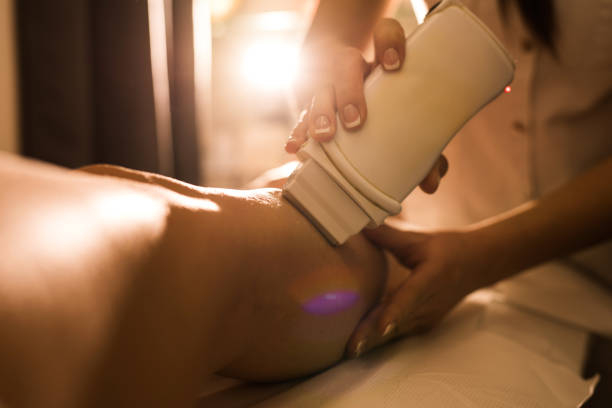
Suitable only for clearly benign, superficial moles. Does not allow tissue analysis.
Cryotherapy
Suitable only for small, clearly benign lesions. Does not allow tissue analysis.
Why This Matters
When a mole is concerning, only excision with analysis is appropriate. Cosmetic methods should not be used.
What to Expect During Removal
Anaesthesia
Local anaesthetic ensures comfort. You remain awake but will not feel pain in the treated area.
The Procedure
The mole is removed with a small margin of surrounding skin. Most procedures take between ten and thirty minutes.
Closure
Sutures are typically used. These are removed at a follow-up appointment, usually within one to two weeks.
Laboratory Analysis
The tissue is sent for examination. Results are typically available within one to two weeks.
Why This Matters
Understanding the process reduces anxiety and helps you plan.
Healing After Excision
Immediate Aftercare
Keep the area clean and dry, follow dressing instructions, and avoid picking at scabs or crusts.
Healing Timeline
Sutures are typically removed within one to two weeks. The scar continues maturing over several months.
Scarring Considerations
A fine line scar is expected. Proper aftercare minimises its appearance.
Sun Protection
Freshly healed skin is highly photosensitive. Protecting the area prevents darkening and improves scar appearance.
Why This Matters
Aftercare significantly influences the final cosmetic result.
Aftercare That Supports Healing
Keep the Area Clean
Follow your practitioner's instructions for cleansing and dressing changes.
Avoid Picking and Scratching
Manipulating the healing area increases scarring risk and may cause infection.
Protect From Sun
Ultraviolet exposure darkens fresh scars. Use sunscreen and cover the area where possible.
Attend Follow-Ups
These allow assessment of healing and discussion of results.
Report Concerns Promptly
Increasing redness, pain, discharge, or unusual healing requires professional assessment.
Why This Matters
Diligent aftercare protects both health and appearance.
Ongoing Skin Monitoring
Regular Self-Examination
Monthly checks using the ABCDE criteria help you notice changes early.
Professional Skin Checks
Annual examinations are recommended for most adults, and more frequently for higher-risk individuals.
Protect New and Existing Moles
Daily sun protection reduces the risk of changes developing.
Monitor After Removal
Regrowth or unusual healing at the removal site should be reported.
Why This Matters
Removal addresses one mole; monitoring protects the rest of your skin.
Questions to Ask Your Practitioner
Does This Mole Need Analysis?
Ask whether biopsy is advisable before proceeding.
Which Method Is Appropriate?
For concerning moles, excision with analysis is typically required.
How Long Until Results Are Available?
Laboratory results typically take one to two weeks.
What Should I Watch For After Removal?
Regrowth, unusual healing, or new changes should be reported.
How Often Should I Be Checked?
Frequency depends on your risk profile and history.
Why This Matters
Informed patients participate more actively in their own skin health.
When to Seek Urgent Assessment
Rapid Changes
Sudden growth or change in appearance warrants prompt evaluation.
Bleeding or Crusting
These signs require professional assessment.
New Symptoms
Itching, pain, or tenderness in a previously stable mole should be evaluated.
Why This Matters
Early assessment of suspicious moles is far simpler than treating advanced skin cancer.
Final Thoughts: Assessment Protects Health
New, changing, or concerning moles require a different approach than cosmetic removal. Evaluation comes first, dermatoscopy improves accuracy, and excision with tissue analysis ensures nothing serious is missed. Understand Mole Removal in Riyadh as a decision that prioritises assessment over appearance when a mole raises concern, and your health will remain protected.
For those seeking expert guidance and customized aesthetic care, you can book an appointment consultation at the 'Enfield Royal Riyadh(إنفيلد رويال الرياض).
FAQs
When should a mole be checked?
If it is new, has changed in size, shape, or colour, or if it bleeds, itches, or crusts.
Can a concerning mole be removed with laser?
No, laser does not allow tissue analysis. Suspicious moles require excision with laboratory examination.
How long do biopsy results take?
Laboratory results are typically available within one to two weeks.
Will removal leave a scar?
Some scarring is expected, but proper aftercare minimises its appearance.
How often should I have my skin checked?
Annually for most adults, more frequently if you have a history of skin cancer or many atypical moles.