


Q-Switched Laser Treatment: A Beginner’s Guide

If you are new to laser skincare, understanding how the treatment works and what it can address is an important first step. Q-switched Laser Treatment in Riyadh is a laser-based procedure that delivers very short, concentrated pulses of energy to target specific pigments in the skin. It may be used for concerns such as certain dark spots, freckles, pigmentation, and tattoo ink, depending on the individual's skin and treatment needs.
For beginners, the idea of laser treatment can seem complicated, but the basic concept is relatively straightforward. Q-Switched Laser Treatment in Riyadh targets selected pigment using rapid pulses of laser energy, helping break pigment into smaller particles that the body can gradually clear. Because different skin concerns and pigment types respond differently, treatment should be planned following a professional assessment.
What Is Q-Switched Laser Treatment?
Q-switched laser technology is designed to produce high-energy laser pulses over extremely short periods. This allows the laser to interact with targeted pigment while limiting prolonged heating of the surrounding skin.
What Does It Target?
Depending on the specific laser wavelength and treatment approach, Q-switched lasers can target certain types of pigmentation and tattoo ink. The appropriate wavelength is selected according to the pigment and skin characteristics being treated.
How Is It Different From Regular Laser Treatment?
Q-switched lasers are distinguished by their ability to deliver energy in very short pulses. This rapid energy delivery is particularly useful when the goal is to target pigment rather than continuously heat a larger area of tissue.
How Does Q-Switched Laser Work?
The laser produces short bursts of concentrated energy that are absorbed by the targeted pigment. The energy can cause pigment particles to break into smaller fragments.
The body then gradually processes and clears these fragmented particles through its natural mechanisms. Because this process takes time, improvement generally develops progressively rather than immediately after the procedure.
What Skin Concerns Can It Address?
Q-switched laser treatment may be considered for several pigment-related concerns, although suitability depends on the specific condition and individual skin characteristics.
Dark Spots and Certain Pigmentation
Some superficial or localized pigmentation concerns may respond to appropriately selected laser treatment. A professional evaluation can help determine whether Q-switched laser technology is suitable for the particular type of pigmentation.
Freckles
Certain freckles may be treated using pigment-targeting laser technology. However, sun exposure can contribute to the recurrence or development of pigmentation, making ongoing sun protection an important part of skincare.
Tattoo Ink
Q-switched laser technology can also be used in tattoo removal. Laser energy targets tattoo pigment, breaking it into smaller particles that the body can gradually clear. Multiple sessions are often required because ink can vary in color, depth, and density.
What Happens During a Q-Switched Laser Session?
A treatment usually begins with an assessment and preparation of the area. The skin is cleansed, and appropriate protective measures are used.
During the procedure, the practitioner directs the laser toward the selected area and delivers a series of rapid pulses. Patients may experience brief snapping, tingling, or stinging sensations. The length of the session depends on the size and location of the treatment area.
After treatment, temporary redness, mild swelling, warmth, or sensitivity may occur. The skin's response can vary depending on the treatment settings and individual characteristics.
How Many Sessions Might You Need?
There is no fixed number of sessions suitable for every patient. The required number depends on the concern being treated, pigment depth, pigment concentration, skin type, treatment area, and individual response.
Some concerns may show noticeable improvement after an early treatment, while others require a series of sessions. Tattoo removal, in particular, generally takes multiple treatments because the body needs time to clear fragmented ink between appointments.
Is There Downtime?
Recovery varies according to the treatment and individual skin response. Mild redness or sensitivity may occur temporarily, while some treatments may produce other short-term changes in the appearance of the treated area.
Taking Care of Treated Skin
Following the recommended aftercare can help support recovery. Patients are generally advised to avoid unnecessary rubbing, scratching, or picking of the treated area.
Protecting Against the Sun
Sun protection is especially important after pigment-targeting laser treatment. Excessive ultraviolet exposure can contribute to unwanted pigmentation changes and may affect the appearance of the treated skin.
Is Q-Switched Laser Suitable for Everyone?
Not everyone is automatically a suitable candidate for laser treatment. Skin type, active skin irritation, recent tanning, previous cosmetic procedures, pigmentation characteristics, and medical history may all be relevant when determining suitability.
A professional consultation allows the treatment area to be examined and helps identify potential factors that could influence the procedure. It also provides an opportunity to discuss realistic expectations and possible side effects.
What Should Beginners Know Before Treatment?
First-time patients should understand that laser treatment is not a guaranteed instant solution. Results can develop gradually, and the response can differ between individuals.
It is also important to follow the recommended treatment schedule rather than assuming that more frequent sessions will produce faster improvement. The skin needs adequate recovery time, while the body may need additional time to process targeted pigment.
What Should You Expect From Your Results?
Results depend on the condition being treated and the characteristics of the pigment. Some patients may notice gradual fading or improvement, while others may require additional sessions.
Q-Switched Laser Treatment in Riyadh can be customized according to the individual's skin and treatment goals, but realistic expectations are essential. A practitioner can explain what type of improvement may be achievable after evaluating the treatment area.
How Can You Prepare for Your First Session?
Before treatment, discuss your skincare routine, previous procedures, recent sun exposure, and any relevant skin concerns with your practitioner. Avoid unnecessarily irritating the treatment area and follow any specific preparation instructions provided during your consultation.
Arriving with clean skin may also be recommended, particularly when treating facial areas. Your provider will explain which products or activities should be avoided before the appointment.
Book a Q-Switched Laser Consultation
If you are considering your first laser treatment for pigmentation, dark spots, freckles, or tattoo ink, a professional consultation can help you understand whether Q-switched laser technology is appropriate for you. At Royal Clinic Saudia, patients can discuss their concerns and receive personalized guidance about preparation, treatment, recovery, and aftercare.
FAQs
Is Q-switched laser treatment suitable for beginners?
It may be suitable for many patients, but suitability depends on the skin type, concern being treated, treatment area, and individual circumstances. A professional assessment should come before treatment.
Does Q-switched laser treatment hurt?
Patients may experience brief snapping, tingling, or stinging sensations during the laser pulses. The level of discomfort varies depending on the treatment area and individual sensitivity.
How quickly will I see results?
Results usually develop gradually as the body processes the targeted pigment. The timeline depends on the type of concern, treatment settings, and individual response.
Can Q-switched laser treat all pigmentation?
No. Different pigmentation conditions can have different causes and may respond differently to treatment. A professional evaluation is important to determine whether Q-switched laser treatment is appropriate.
Categories
- Artificial Intelligence (AI)
- Technology
- Business
- Education
- Science
- Lifestyle
- Healthcare
- Entertainment
- Politics
- Environment
- Travel
- Finance
- Automobile
- News
- Art
- Causes
- Crafts
- career
- Dance
- Drinks
- Film
- Fitness
- Food
- Games
- Gardening
- Health
- Home
- Literature
- Music
- Networking
- Other
- Party
- Religion
- Shopping
- Sports
- Theater
- Wellness
Read More
According to Future Market Insights (FMI), the global gantry machining centers market is projected to grow from USD 3.2 billion in 2026 to USD 5.6 billion by 2036, expanding at a 5.7% CAGR during the forecast period. Rising demand for large-part machining, increasing aerospace manufacturing activity, and the need to consolidate machining operations are supporting investment in large-envelope...

According to the latest report published by Data Bridge Market Research, the Esoteric Testing Market CAGR Value The global esoteric testing market size was valued at USD 20.87 billion in 2024 and is expected to reach USD 52.62 billion by 2032, at a CAGR of 12.25 % during the forecast periodThe large scale Esoteric Testing Marketing report studies and evaluates market drivers,...
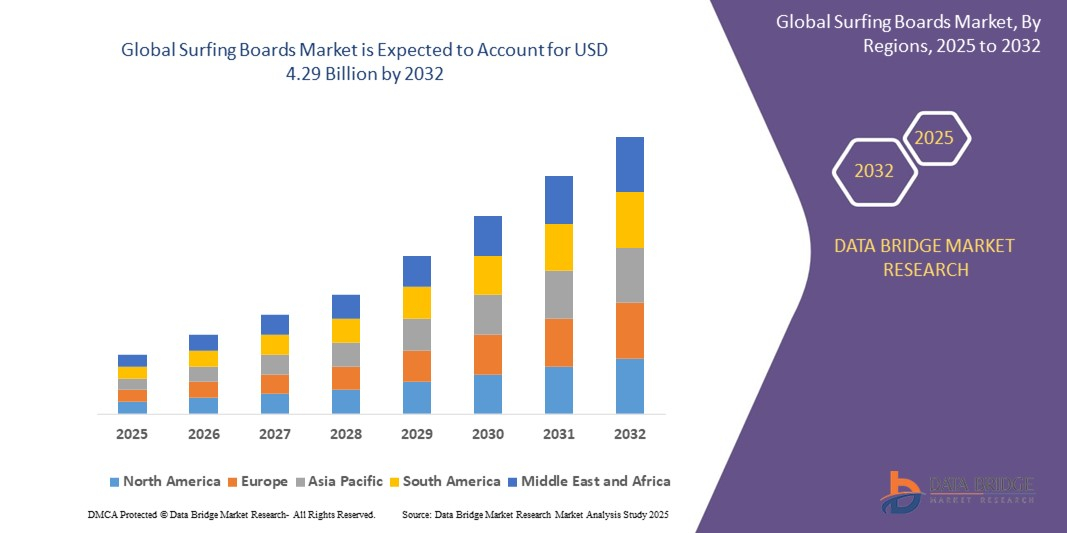
According to the latest report published by Data Bridge Market Research, the Surfing Boards Market CAGR Value The global surfing boards market size was valued at USD 2.61 billion in 2024 and is expected to reach USD 4.29 billion by 2032, at a CAGR of 6.40% during the forecast period Attaining maximum return on investment (ROI) is one of the most wannabe goals for...
As per Market Research Future analysis, the armored vehicles upgrade and retrofit market was estimated at USD 28.21 billion in 2024 and is projected to grow from USD 29.26 billion in 2025 to USD 42.16 billion by 2035, at a CAGR of 3.72%. Military spending is one of the most critical factors influencing market growth. A key driver in this segment is the increasing allocation of defense budgets...

The US Clear Aligners Market is experiencing gradual expansion as technological innovation and changing attitudes toward orthodontic treatment influence consumer demand. Clear aligners have become increasingly recognized as a discreet option for people seeking solutions for dental alignment. Market Research Future estimates the US clear aligners market at USD 1.092 billion in 2024 and forecasts...
