

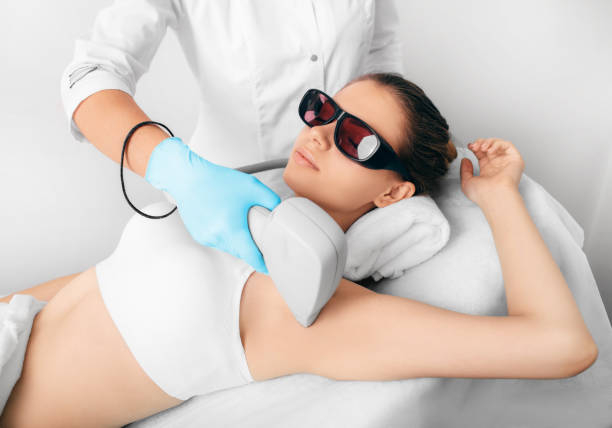
Laser hair removal is a widely used aesthetic treatment designed to reduce unwanted hair by targeting the follicles beneath the skin. Unlike shaving or waxing, which temporarily remove visible hair, laser treatment focuses on the follicle to interfere with future hair growth. Understanding how Laser Hair Removal in Riyadh (إزالة الشعر بالليزر في الرياض) works can help beginners know what happens during treatment and why multiple sessions are usually recommended.
The procedure uses controlled light energy that is absorbed by pigment within the hair. This energy is converted into heat and directed toward the hair follicle, helping reduce its ability to produce new hair. Laser Hair Removal in Riyadh can be performed on various body areas, but the treatment approach depends on factors such as skin tone, hair color, hair thickness, and the area being treated.
What Is Laser Hair Removal?
Laser hair removal uses specialized laser technology to deliver concentrated light energy to unwanted hair. The pigment in the hair absorbs this energy, allowing heat to reach the follicle while the surrounding skin is carefully protected.
The objective is not simply to remove hair from the surface. Instead, the treatment works beneath the skin to reduce the follicle's ability to support continued hair growth.
How Does the Laser Target Hair?
The process depends on a principle called selective photothermolysis. In simple terms, the laser is designed to target a specific pigment while limiting unnecessary exposure to the surrounding tissue.
Light Absorption
The laser emits a specific wavelength of light that is absorbed by melanin, the pigment responsible for hair color. Darker hair generally contains more pigment that can absorb the laser energy.
Conversion Into Heat
Once absorbed, the light energy is converted into heat. This heat travels toward the hair follicle and can damage structures responsible for producing new hair.
Gradual Hair Reduction
Because hair grows in different phases, not every follicle is equally responsive during one treatment. Repeated sessions allow treatment to target additional hairs as they enter an appropriate growth phase.
Why Are Multiple Sessions Needed?
One of the most important things for beginners to understand is that laser hair removal is a gradual process. Hair follicles naturally move through different stages of growth.
Active Growth Phase
Laser treatment is generally most effective when the hair is in an active growth stage because the connection between the hair and follicle allows the laser energy to reach the targeted structures more effectively.
Different Hair Growth Cycles
Not all hairs enter this phase at the same time. This is why a series of treatments is commonly recommended instead of relying on a single appointment.
The exact treatment schedule depends on the area being treated, hair characteristics, skin type, and individual response.
What Happens During a Laser Hair Removal Session?
Before treatment begins, the skin is typically examined and prepared. The treatment area is cleaned, and the laser device is selected and adjusted according to the individual's characteristics.
The device is then passed over the treatment area, delivering controlled pulses of light. Patients may experience warmth, mild tingling, or brief snapping sensations during the procedure.
Cooling and Skin Protection
Many modern laser systems incorporate cooling features or other methods designed to help protect the skin and improve treatment comfort. The specific technology used depends on the device and treatment plan.
Which Factors Affect Laser Hair Removal?
Laser hair removal does not work identically for everyone. Several factors can influence how the treatment responds.
Hair Color
Hair with more pigment can generally absorb laser energy more effectively. Very light, gray, or white hair may respond differently because of its lower melanin content.
Skin Tone
Skin tone is an important consideration when selecting laser technology and treatment settings. A qualified professional can choose an appropriate approach based on the patient's skin characteristics.
Hair Thickness
Thicker hairs may respond differently from fine hairs. As treatment progresses, remaining hair may become finer and require adjustments to the treatment approach.
What Areas Can Be Treated?
Laser hair removal can be used on many areas of the body when considered appropriate.
Facial Areas
Common areas include the upper lip, chin, jawline, and sideburn region. Facial hair can sometimes be influenced by hormonal factors, which may affect treatment response.
Body Areas
The underarms, arms, legs, chest, back, and bikini area are also commonly treated. The duration and treatment settings vary according to the size and characteristics of each area.
How Should You Prepare?
Preparation can help reduce unnecessary irritation and support a smoother treatment experience.
Avoid Waxing and Plucking
Waxing and plucking remove the hair from the follicle, which can interfere with the target needed for laser treatment. Shaving is generally preferred when hair removal is needed before an appointment.
Limit Sun Exposure
Sun exposure and tanning can affect the skin's sensitivity to laser treatment. Following professional advice about sun protection is important before and after treatment.
Follow Professional Instructions
Your provider may give specific preparation instructions based on your skin type, treatment area, medications, and previous skincare procedures.
What Happens After Treatment?
Temporary redness, warmth, or mild sensitivity may occur after a session. These effects usually settle as the skin recovers.
Patients are generally advised to protect the treated area from excessive sun exposure and avoid activities or products that may irritate the skin immediately afterward, according to their provider's instructions.
When Does Hair Start to Reduce?
Hair does not necessarily disappear immediately after laser treatment. Treated hairs may gradually shed over the following days or weeks, depending on the treatment area and individual response.
With repeated sessions, many people notice that hair becomes less dense, finer, or slower to grow. Results vary, so treatment expectations should be based on individual characteristics rather than a guaranteed outcome.
Is Laser Hair Removal Permanent?
Laser hair removal is generally considered long-term hair reduction rather than guaranteed permanent removal of every hair. Hormonal changes and individual biology can contribute to future hair growth.
Some people may benefit from maintenance treatments depending on their response and ongoing hair growth.
Book Your Appointment at Royal Clinic Saudia
If you are considering Laser Hair Removal in Riyadh, Royal Clinic Saudia ( عيادات رويال كلينك ) can assess your skin and hair characteristics and help determine an appropriate treatment approach. A professional consultation can also explain preparation, expected results, treatment intervals, and aftercare.
FAQs:
How does laser hair removal target hair follicles?
The laser's light is absorbed by pigment in the hair and converted into heat, which can affect structures within the follicle responsible for hair growth.
Why are several laser hair removal sessions needed?
Hair grows in different cycles, so multiple sessions help target follicles when they are in a suitable growth phase.
Can laser hair removal treat facial hair?
Yes, certain facial areas can be treated when appropriate. Hormonal factors may influence facial hair growth and treatment response.
Can I shave between laser hair removal sessions?
Shaving is generally compatible with laser treatment because it removes hair from the skin's surface without pulling it out from the follicle.

