


Commercial Solar Permit Services: Installers Win Approvals Faster
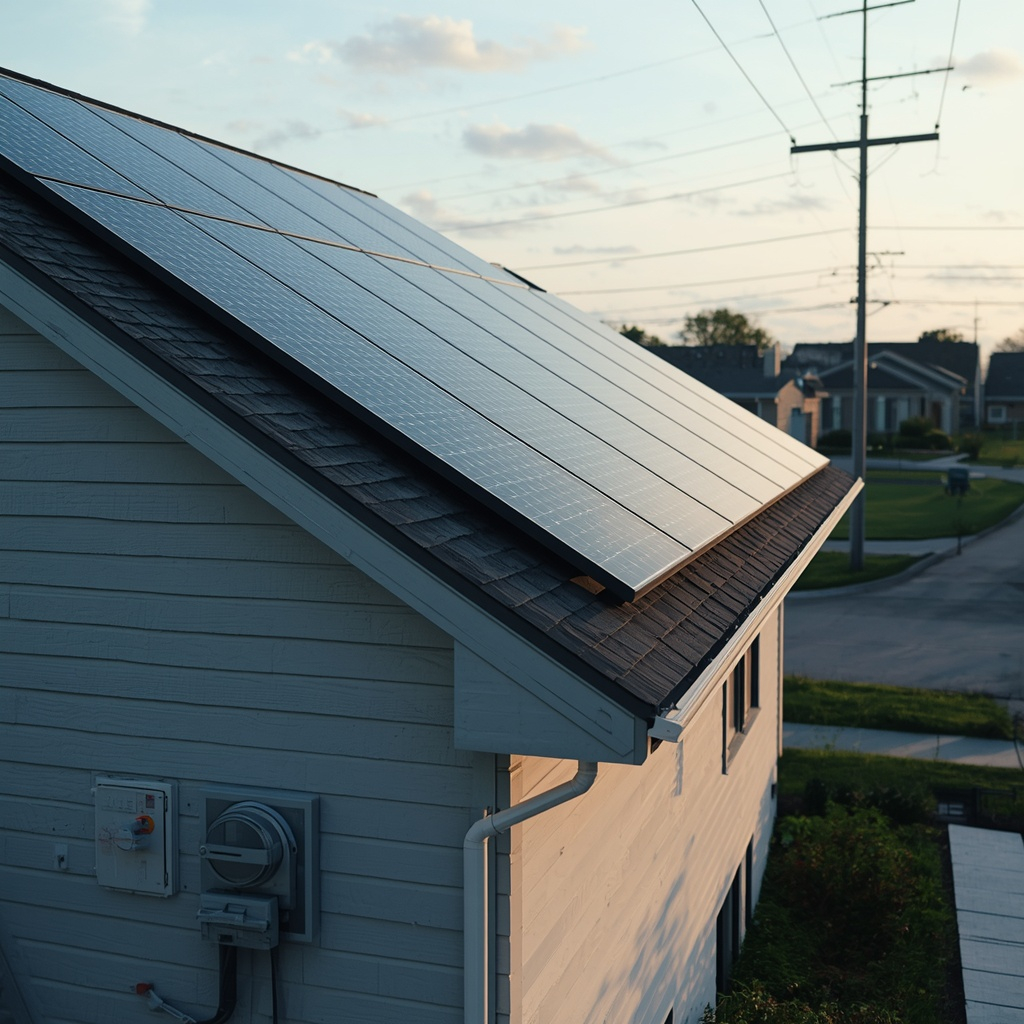
Commercial solar demand keeps climbing across the United States. However, no large array goes up without a permit. Therefore, dependable commercial solar permit services protect your schedule, your budget, and your client relationships. In this guide, PTO Edge explains what reviewers look for, which documents carry the most weight, and how to move from contract to energization with fewer delays. Moreover, you will see how design, engineering, and utility steps fit into one clear process.
Have a commercial project stuck in review? Request a project review and get a clear path to approval.
Why Commercial Solar Permit Services Protect Your Schedule
Commercial projects carry high stakes. Large systems involve bigger budgets, tighter financing deadlines, and more stakeholders. As a result, a single permit delay can ripple through the entire build.
Professional commercial solar permit services reduce that risk. They organize every document the way reviewers expect. Additionally, they catch conflicts between sheets before the building department does.
Timing drives cash flow. Late permits push back procurement, crew scheduling, and payment milestones. Therefore, a clean first submission keeps money moving.
Reputation grows with every approval. Plan checkers remember contractors who file complete packages. Similarly, owners remember teams that hit their dates. Over time, both groups bring repeat work.
How Commercial Projects Differ From Residential Jobs
Commercial permits demand more than residential ones. First, electrical designs use three-phase power and larger equipment. Second, structural reviews often involve flat roofs, ballast, and older buildings.
Fire rules change as well. For example, large arrays may need additional pathways, signage, and shutdown details. Meanwhile, the fire marshal may join the review.
Utility requirements also grow. Larger systems often trigger detailed interconnection applications and protection studies. Consequently, timelines run longer than they do for homes.
Automated permitting rarely covers large systems. Most commercial files still go through manual plan review. So, each sheet must be complete and precise.
Who Reviews Your Commercial Solar Permit Services Package
Two groups control most approvals. First, the Authority Having Jurisdiction, or AHJ, issues building and electrical permits. Second, the utility approves the grid connection.
The AHJ checks code compliance. It reviews electrical design, structural loads, and fire access. Additionally, it inspects the finished installation before approval.
The utility checks interconnection details. It reviews inverter settings, protection schemes, and metering. Therefore, your documents must satisfy both parties.
Federal resources give useful background. For example, the U.S. Department of Energy solar office shares research on permitting and soft costs. In addition, the National Renewable Energy Laboratory publishes studies on deployment and interconnection. Together, these sources help you understand industry direction.
Local practice still decides your result. For instance, this California county permitting walkthrough shows how one large jurisdiction structures its requirements. Likewise, it explains why local knowledge saves time.
Documents Inside Commercial Solar Permit Services
A complete package prevents repeated resubmissions. Use this checklist on every job.
- Cover sheet: project details, code references, and sheet index.
- Site plan: property lines, building location, and equipment placement.
- Roof plan: module layout, setbacks, walkways, and obstructions.
- Single-line diagram: modules, inverters, disconnects, and utility connection.
- Electrical calculations: conductor sizing, overcurrent protection, and voltage drop.
- Structural package: racking details, attachment spacing, and load calculations.
- Equipment datasheets: module, inverter, and racking specifications.
- Labels and placards: required warnings and rapid shutdown signs.
Each item must agree with the others. For example, the inverter count on the site plan must match the line diagram. Otherwise, reviewers issue corrections right away.
Drawing Standards for Commercial Solar Permit Services
Plan sets form the core of every submission. They show what you will build and how you will build it. Therefore, drawing quality matters from the first sheet.
Start with verified site data. Collect roof measurements, photos, and equipment locations. Then, build the drawings from that information.
Commercial sheets need more detail than residential sets. Multiple inverters, large conduit runs, and three-phase systems require clear notation. Additionally, reviewers expect legible labels and consistent symbols.
Clean drafting saves review time. With that in mind, code-compliant commercial solar drawings give reviewers organized sheets that follow NEC and local rules. As a result, you receive fewer correction notices.
Electrical Design Under the NEC
Reviewers focus heavily on electrical design. Your single-line diagram must show every major component. Moreover, it must list ratings, sizes, and protection devices.
NEC Article 690 covers photovoltaic systems. Article 705 covers interconnected power sources. Additionally, rapid shutdown rules affect layout and equipment choices.
Adoption dates vary. Some jurisdictions use the 2020 NEC, while others use the 2023 edition. Therefore, confirm the adopted version before you start.
Calculations must support the drawing. Engineers apply temperature correction and conduit fill adjustments. In addition, they check short-circuit ratings and equipment interrupting capacity. Clear notes help reviewers verify each value quickly.
Structural Review for Commercial Solar Permit Services
Structural review protects the building. Engineers calculate dead loads, wind uplift, and snow loads. Then, they compare those results with the roof's capacity.
Commercial roofs create unique challenges. Flat roofs often use ballasted racking. Meanwhile, older buildings may have limited reserve capacity. Consequently, engineers need accurate roof data.
Standards guide the process. Many engineers reference ASCE 7 for wind and snow calculations. Additionally, they review membrane type, deck condition, and attachment method.
Documentation matters as much as the math. State every assumption clearly. Furthermore, include racking manufacturer data. Reviewers approve faster when they can trace each number.
Engineering Review and Stamped Sets
Many commercial projects need a licensed engineer's stamp. Even when the AHJ does not require it, owners and lenders often do. Therefore, plan for engineering review early.
A licensed engineer checks the design, calculations, and code references. As a result, the package carries more credibility. Furthermore, the review catches mistakes before the AHJ finds them.
State licensing adds complexity. Generally, the engineer needs a license in the project's state. So, confirm coverage before you submit. If your project needs this step, licensed solar engineering review provides verified support for eligible projects.
Connecting Sales Data to Commercial Solar Permit Services
Sales and engineering must share the same data. Otherwise, proposals promise what drawings cannot deliver. Therefore, give both teams the site data from day one.
For example, accurate roof area limits array size. Likewise, correct shading data produces believable energy estimates. Consequently, commercial buyers trust your numbers.
Buyers also compare risk. They want clear costs, savings, and timelines. With that goal, solar proposals that close turn technical data into confident decisions.
After signing, the same data feeds your drawings. Thus, you avoid rework and protect your margins.
Mistakes That Slow Commercial Solar Permit Services
Most rejections come from avoidable errors. Learn these mistakes and you will save weeks.
- Mismatched counts: sheets show different inverter or module totals.
- Missing calculations: reviewers cannot verify conductor or breaker sizes.
- Outdated datasheets: listed equipment no longer matches current models.
- Weak roof data: obstructions and roof condition are missing.
- Wrong code edition: the design cites an outdated NEC year.
- Poor labeling: placards lack required wording.
- Ignored utility limits: the design conflicts with interconnection rules.
Additionally, teams often rush the final check. Therefore, use a review checklist every time. A second reviewer catches many issues.
Furthermore, answer correction notices quickly. Slow replies push your file back in the queue. In contrast, fast answers keep approval moving.
A Repeatable Workflow for Commercial Solar Permit Services
A steady workflow produces steady results. Follow these steps on every project.
- Gather site data. Collect measurements, photos, roof details, and electrical information.
- Confirm local rules. Identify the AHJ, code edition, and utility requirements.
- Draft the layout. Place modules, inverters, and pathways.
- Design the electrical system. Size conductors, breakers, and disconnects.
- Complete structural checks. Verify loads and attachment details.
- Review internally. Compare every sheet for consistency.
- Submit and track. Upload the package and monitor status.
- Resolve comments. Revise sheets and resubmit fast.
Consequently, each project follows the same proven path. Your team spends less time guessing and more time building.
Realistic Timelines for Commercial Solar Permit Services
Timelines vary widely. Small commercial rooftops may clear review in a few weeks. Meanwhile, large ground-mount projects can take months.
Several factors drive the schedule. Package quality matters most. Additionally, AHJ workload, utility queues, and project complexity all play a role.
You can influence speed. First, submit complete documents. Next, respond to comments within hours. Finally, track your file every day.
Active follow-up makes a real difference. For example, teams that speed up solar approvals monitor status daily and fix comments immediately. As a result, files never sit idle.
Utility Interconnection and Permission to Operate
Approval does not stop at the building permit. After construction, the utility must approve the system. Only then can the owner energize it.
Commercial interconnection often takes longer. Utilities may require studies, protection settings, and detailed one-line diagrams. Additionally, some require witness testing.
Errors delay activation. Consequently, owners wait longer for savings. Therefore, prepare utility documents while permitting is still active.
Clean applications matter most. With that goal, fast utility PTO approval support helps your team avoid rejected files. In turn, projects reach activation sooner.
Also check net metering and tariff rules. Policies vary by state and utility. However, they change often. So, confirm current terms before you quote savings.
Software That Supports Commercial Solar Permit Services
Modern software cuts drafting time. Design tools place modules, check shading, and estimate production. Moreover, they generate consistent sheets from one data set.
Automation reduces errors. For example, a tool updates the line diagram when you change the module count. As a result, sheets stay aligned.
Integrated platforms go further. They connect design, proposals, and permit files in one place. Therefore, your team avoids copying data between programs. With that in mind, a design and permitting platform combines both steps in a single workflow.
Industry trends also shape engineering. For a wider view, read about solar design technology advances and how they affect commercial projects.
Outsourcing Commercial Solar Permit Services
Many firms ask whether they should hire designers or outsource. Both models work. However, each fits a different stage of growth.
In-house teams give you control. They learn your standards and respond quickly. On the other hand, they add payroll, software, and training costs.
Outsourcing adds flexible capacity. You pay for completed work, not idle hours. Moreover, specialists bring experience from many jurisdictions. Consequently, busy seasons no longer overwhelm your staff.
Cost and speed deserve careful review. This article explains when to outsource engineering and how each model affects quality and price. Likewise, it helps you plan your next hire or partnership.
Many companies use a hybrid model. They keep sales and field work internal. Meanwhile, they outsource drawings and paperwork. As a result, they scale without slow hiring.
Lessons From High-Volume Markets
Busy markets build strong habits. Contractors there face many rejections. Therefore, they invest in design quality early.
For example, Florida contractors deal with strict wind rules and many local offices. These Sunshine State permit strategies show how careful preparation reduces revisions. You can apply the same approach in any state.
Consistency wins in every market. Use templates, checklists, and clear review steps. Then, improve them after each submission.
Best Practices for Commercial Solar Permit Services
Use these habits on every project.
- Confirm the adopted code edition before design begins.
- Match every number across drawings, calculations, and datasheets.
- Use current, listed equipment with valid documentation.
- Build templates for each AHJ you serve.
- Log every correction notice and its resolution.
- Train your team on common rejection reasons.
- Save approved packages as future references.
Additionally, focus on clarity. Use clean labels, readable fonts, and logical sheet order. Reviewers appreciate drawings they can scan fast.
Communication counts as well. Answer reviewer questions politely and quickly. Moreover, keep owners informed about status changes. Transparent updates build long-term trust.
Experience and Trust in Commercial Solar Permit Services
Commercial approvals reward experience. Engineers who review many packages know what reviewers reject. Therefore, they prevent problems before submission.
Compliance also protects your business. Permitted systems meet safety expectations. Unpermitted systems risk fines, removal orders, and insurance issues.
Trust signals help you win larger contracts. Clear processes, licensed review, and consistent results show owners you take quality seriously. Consequently, referrals and repeat work grow.
PTO Edge supports installers, EPCs, and developers with proposals, plan sets, engineering review, permitting, and utility submissions. Our workflow connects each step in one process. Accordingly, your team spends less time on paperwork and more time on construction.
Final Thoughts on Commercial Solar Permit Services
The commercial solar market offers strong opportunity. However, opportunity means little without approval. Dependable commercial solar permit services turn signed contracts into permitted, connected, and operating systems.
To summarize, gather accurate site data first. Next, confirm local code and utility rules. Then, prepare consistent drawings and calculations. Finally, submit clean packages and follow through to Permission to Operate.
Additionally, choose partners who understand your workflow. Reliable support shortens timelines and lowers stress. As a result, you close more projects with fewer delays.
Whether you build rooftop or ground-mount systems, quality documentation pays off. Therefore, invest in it early. PTO Edge stands ready to help you build that foundation.
Ready to move your project forward? Start your commercial permit package today and get approval-ready documents for your next build.
Commercial Solar Permit Services FAQs
1. What do commercial solar permit services include?
They include plan sets, engineering support, and AHJ submissions. Additionally, they cover reviewer comments and utility paperwork. The goal is faster approval.
2. Do commercial solar projects need a PE stamp?
Many do, depending on the jurisdiction and project size. Owners and lenders may also require one. Therefore, confirm requirements early.
3. How long does commercial solar permitting take?
Timelines vary by AHJ, system size, and package quality. Complete documents move faster. Meanwhile, missing details cause repeated corrections.
4. Why do commercial solar permits get rejected?
Common causes include mismatched sheets, missing calculations, and outdated code references. Additionally, weak roof data triggers corrections. A careful review prevents most rejections.
5. Can I outsource commercial solar permitting?
Yes, many installers outsource drawings and paperwork. Consequently, they gain capacity and expert support. Choose a partner with proven AHJ and utility experience.
Categories
- Artificial Intelligence (AI)
- Technology
- Business
- Education
- Science
- Lifestyle
- Healthcare
- Entertainment
- Politics
- Environment
- Travel
- Finance
- Automobile
- News
- Art
- Causes
- Crafts
- career
- Dance
- Drinks
- Film
- Fitness
- Food
- Games
- Gardening
- Health
- Home
- Literature
- Music
- Networking
- Other
- Party
- Religion
- Shopping
- Sports
- Theater
- Wellness
Read More
The high performance coating market demonstrates significant regional diversity, with North America maintaining the largest market and Asia-Pacific emerging as the fastest-growing region. Regional demand is influenced by industrialization, infrastructure development, aerospace activity, automotive production, and environmental regulations. North America was valued at approximately USD 15.0...

Digital innovation is reshaping the Post-Operative Pain Management Market. Telemedicine platforms, mobile health applications, and remote monitoring tools are enabling personalized pain management plans and real-time patient follow-up after discharge. This digital health integration empowers patients to actively participate in their recovery while allowing clinicians to adjust therapies based...
The global power grid relies on advanced distribution substation equipment to ensure reliable electricity delivery to homes, businesses, and industries. According to Market Research Future, the Distribution Substation Market was valued at $35.14 billion in 2024, with projections reaching $65.63 billion by 2035 at a compound annual growth rate of 5.84%. This growth reflects the...
The e-KYB (Electronic Know Your Business) Market is rapidly transforming the way financial institutions, fintech companies, payment providers, and regulated businesses verify corporate customers. As digital onboarding becomes the norm and regulatory requirements continue to evolve, organizations are increasingly adopting automated e-KYB solutions to streamline business verification,...
The Canada Edtech Market forecasts signal sustained expansion driven by digital adoption, AI innovation, and increasing demand for flexible education models. As the industry moves toward 62.31 USD Billion by 2035, institutions are prioritizing scalable and secure digital platforms. The overview emphasizes investments in AI-driven personalization, analytics integration, and immersive...
