


Understanding Angina
Angina is chest pain or discomfort caused by reduced blood flow to the heart muscle. It is a common symptom of coronary artery disease, which occurs when arteries that supply the heart become narrowed or blocked by plaque buildup. Angina can be stable, occurring predictably with exertion or stress and relieved by rest, or unstable, occurring unexpectedly and indicating a higher risk of heart attack. Understanding angina is essential for recognizing heart disease and seeking appropriate care.
Symptoms of angina include pressure, squeezing, or heaviness in the chest. Pain may radiate to the arms, neck, jaw, or back. Some patients experience shortness of breath, sweating, or nausea. Women, older adults, and people with diabetes may have atypical symptoms, making diagnosis more challenging. Evaluation includes medical history, physical examination, electrocardiography, stress testing, and imaging. These tests help determine the cause and severity of angina and guide treatment. The Angina Market reflects the demand for diagnostic tools, medications, and procedures used to manage this condition.
Treatment aims to relieve symptoms, prevent complications, and improve quality of life. Medications include nitrates, beta-blockers, calcium channel blockers, and antiplatelet agents. Lifestyle changes, including diet, exercise, and smoking cessation, are essential. In some cases, procedures such as angioplasty and stenting or coronary artery bypass surgery are needed to restore blood flow. As the population ages and cardiovascular risk factors increase, demand for angina diagnosis and treatment continues to grow, supporting market expansion.
People Also Ask
What is angina?
It is chest pain or discomfort caused by reduced blood flow to the heart, usually due to coronary artery disease, and can be stable or unstable.
What is the difference between stable and unstable angina?
Stable angina occurs predictably with exertion and is relieved by rest, while unstable angina occurs unexpectedly and signals higher risk of heart attack.
Tags: #Angina #HeartDisease #Cardiology #ChestPain #CoronaryArteryDisease #CardiovascularHealth
Categories
- Artificial Intelligence (AI)
- Technology
- Business
- Education
- Science
- Lifestyle
- Healthcare
- Entertainment
- Politics
- Environment
- Travel
- Finance
- Automobile
- News
- Art
- Causes
- Crafts
- career
- Dance
- Drinks
- Film
- Fitness
- Food
- Games
- Gardening
- Health
- Home
- Literature
- Music
- Networking
- Other
- Party
- Religion
- Shopping
- Sports
- Theater
- Wellness
Read More
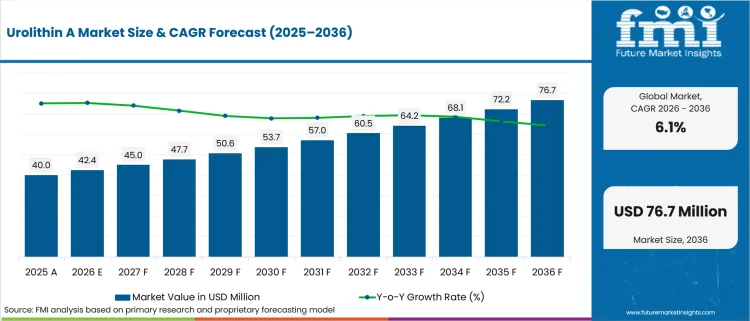
NEWARK, Del., August 7, 2026 — The global Urolithin a Market is expected to witness steady growth as interest in mitochondrial health, anti-aging applications, and evidence-based dietary supplements continues to expand. According to Future Market Insights (FMI), the market is projected to grow from USD 42.4 million in 2026 to USD 76.7 million by 2036, registering a CAGR of 6.1% during the...
According to a new report from Intel Market Research, the global Hood Cleaning Machine Market was valued at USD 1.02 billion in 2025 and is projected to reach USD 1.48 billion by 2034, growing at a robust CAGR of 4.7% during the forecast period (2025–2034). The Hood Cleaning Machine Market is expanding as commercial kitchens, institutional food-service operators, and industrial facilities...

The Epidermal Growth Factor Market has promising opportunities as healthcare continues to move toward regenerative and biologically focused solutions. EGF has attracted scientific interest because of its involvement in cellular proliferation and tissue repair. Future growth may be supported by increasing research into advanced wound-care therapies. Healthcare providers and researchers are...
According to a new report from Intel Market Research, the global Automotive Chemicals market was valued at USD 31.2 billion in 2025 and is projected to reach USD 38.5 billion by 2034, growing at a steady CAGR of 2.3% during the forecast period (2026–2034). This growth is driven by expanding vehicle production volumes, increasingly stringent environmental regulations, and a rapid shift...

According to the latest report published by Data Bridge Market Research, the Seaweed Proteins Market CAGR Value As per Data Bridge Market Research Analysis the global seaweed proteins market size was valued at USD 868.62 million in 2025 and is expected to reach USD 2,342.09 million by 2033, at a CAGR of 13.20% during the forecast period...
