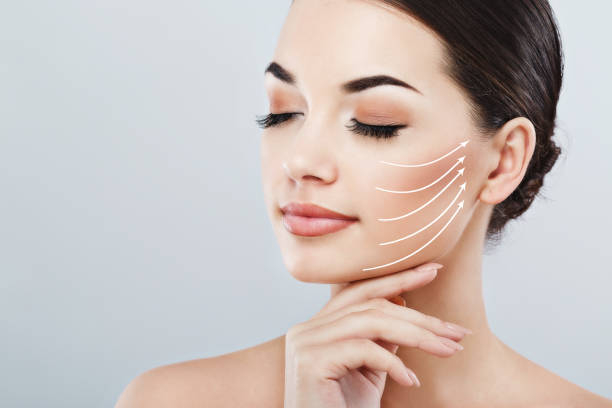
Facial aging can gradually affect the skin, cheeks, jawline, and neck, leading to sagging, folds, and changes in facial definition. A facelift is a surgical procedure designed to address visible signs of aging by repositioning facial tissues and removing selected excess skin. Understanding the procedure, candidacy, recovery, and expected results can help you make informed decisions about Facelift Surgery in Riyadh (جراحة شد الوجه في الرياض).
What Is Facelift Surgery?
A facelift, medically known as rhytidectomy, is a surgical procedure designed to improve visible signs of facial aging. Depending on the technique, it may address sagging skin around the cheeks, lower face, jawline, and neck.
Rather than simply pulling the skin tighter, modern facelift techniques may involve repositioning deeper facial tissues to create a more balanced and natural-looking appearance.
What Concerns Can a Facelift Address?
Facelift surgery can be customized according to a patient's facial anatomy and aging concerns. Common concerns include loose facial skin, deeper folds around the nose and mouth, jowls, and reduced definition along the jawline.
Lower-Face Sagging
As skin and underlying tissues lose firmness, the lower face can appear less defined. A facelift may improve sagging around the cheeks and jawline by repositioning tissues and managing excess skin.
Jawline and Jowls
Jowls can develop as facial tissues gradually descend with age. Depending on the individual's anatomy, facelift surgery may help create a clearer transition between the lower face and jawline.
Neck Aging
Some facelift approaches also address the upper neck. If there is significant neck laxity or excess tissue, the surgeon may recommend a technique that includes neck contouring as part of the overall treatment plan.
Who May Be a Candidate?
Age alone does not determine suitability for facelift surgery. Candidates are generally assessed based on their overall health, skin condition, degree of facial aging, medical history, and expectations.
A consultation allows the surgeon to determine whether a facelift addresses the patient's concerns or whether another procedure or non-surgical treatment may be more appropriate.
Importance of Realistic Expectations
A facelift can improve certain visible signs of aging, but it does not stop the natural aging process. Understanding what surgery can and cannot change is an important part of planning.
Understanding Different Facelift Approaches
There is no single facelift technique that is appropriate for every patient. The surgical approach may vary depending on the amount and location of skin laxity, facial anatomy, and the desired degree of correction.
Traditional Facelift
A traditional facelift generally addresses the lower and mid-face and may extend toward the neck. It can involve repositioning underlying tissues and removing carefully selected excess skin.
Limited or Mini Facelift
A more limited approach may be considered for patients with less extensive sagging. The suitability of this technique depends on individual anatomy and treatment goals.
Neck-Focused Techniques
When neck laxity is a major concern, a surgeon may recommend a procedure that specifically addresses the neck or combines neck treatment with facelift surgery.
What Happens During a Facelift Consultation?
The consultation is an important step before surgery. The surgeon evaluates facial structure, skin quality, tissue laxity, and areas of concern.
Medical history, previous procedures, medications, allergies, smoking or nicotine use, and general health may also be reviewed. Patients can discuss their desired appearance and ask questions about the surgical approach, anesthesia, recovery, risks, and expected results.
Preparing for Facelift Surgery
Preparation varies according to individual circumstances and the surgeon's instructions. Patients may be advised to arrange transportation, organize assistance at home, and adjust certain medications or supplements under medical guidance.
Preparing Your Recovery Space
Having a comfortable place to rest at home can make the early recovery period easier. Keep commonly used items nearby and arrange help with household tasks that may require bending, lifting, or strenuous activity.
Following all preoperative instructions carefully can support a safer surgical experience.
What Is Recovery Like?
Recovery varies between individuals and depends on the extent of surgery. Swelling, bruising, tightness, and temporary changes in sensation can occur during the healing process.
Early Recovery
During the initial period, patients generally need to rest and avoid strenuous activities. The surgeon will provide instructions regarding wound care, medications, sleeping positions, and follow-up appointments.
As healing progresses, swelling and bruising gradually improve. The final appearance takes time to develop as the tissues settle.
What Results Can You Expect?
A facelift can improve sagging and restore definition to selected areas of the face and neck. The goal is generally to create a refreshed appearance while maintaining facial characteristics rather than making the face look completely different.
Results vary according to age, skin quality, anatomy, surgical technique, and healing. Maintaining a stable weight and following postoperative instructions can help support the outcome.
Safety and Choosing a Qualified Surgeon
Like other surgical procedures, facelift surgery has potential risks, including bleeding, infection, scarring, changes in sensation, asymmetry, and complications related to anesthesia. Your surgeon should explain the risks relevant to your individual circumstances.
Choosing a properly qualified and experienced surgeon and having surgery in an appropriate medical facility are important parts of the process. A thorough consultation should include discussion of both benefits and limitations.
Book Your Appointment at Royal Clinic Saudia
If you are considering Facelift Surgery in Riyadh, Royal Clinic Saudia ( عيادات رويال كلينك ) can provide a personalized consultation to discuss your facial aging concerns, treatment goals, and suitable surgical options. An individualized assessment can help you understand the procedure, preparation, recovery, and expected results.
FAQs:
What does facelift surgery treat?
It primarily addresses sagging facial tissues, loose skin, jowls, and selected signs of aging around the lower face and neck.
Does a facelift remove wrinkles completely?
A facelift can improve some wrinkles and folds caused by tissue laxity, but it does not eliminate every line or prevent future aging.
How long does facelift recovery take?
Recovery varies by patient and procedure. Swelling and bruising generally improve gradually, while final results can take longer to become apparent.
Is facelift surgery suitable for everyone?
No. Suitability depends on overall health, facial anatomy, skin condition, medical history, and individual treatment goals.