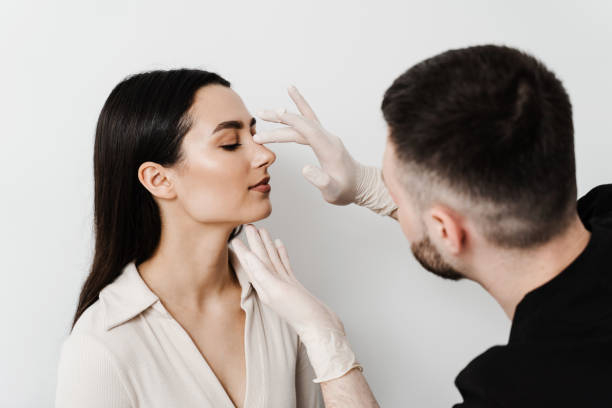
Rhinoplasty is a surgical procedure used to change the shape, size, or proportions of the nose while, in some cases, addressing functional concerns such as breathing difficulties. Because the nose is central to facial balance, even subtle changes can influence the overall appearance. Rhinoplasty in Riyadh (عملية تجميل الأنف في الرياض) may be considered by individuals who want to address concerns such as a nasal hump, wide or uneven nostrils, a drooping or broad tip, or an appearance that feels disproportionate to the rest of the face.
What Is Rhinoplasty?
Rhinoplasty, commonly called nose reshaping surgery, involves modifying the nasal structures to achieve an appropriate shape and proportion. Depending on the patient's goals, the procedure may involve the nasal bones, cartilage, septum, or surrounding tissues.
Cosmetic Rhinoplasty
Cosmetic rhinoplasty focuses on changing aspects of the nose's appearance. Possible concerns include the nasal bridge, tip, nostril shape, width, or overall proportion.
Functional Rhinoplasty
Functional rhinoplasty may address structural issues that contribute to breathing difficulties. Septal deviation, internal nasal narrowing, or other structural concerns may be evaluated during consultation.
In some cases, cosmetic and functional goals can be considered together.
Common Reasons People Consider Nose Reshaping
Nasal concerns vary significantly from person to person. A consultation helps determine which structures contribute to the appearance or function of the nose.
Nasal Hump
A prominent bridge or dorsal hump can affect the profile of the nose. Rhinoplasty may involve carefully modifying the nasal bridge to create a more balanced profile.
Nasal Tip Concerns
Some patients are concerned about a bulbous, drooping, wide, or asymmetric nasal tip. Tip refinement may involve reshaping or repositioning cartilage while maintaining appropriate structural support.
Wide or Uneven Nostrils
Nostril width and asymmetry can affect overall nasal proportions. In selected cases, surgical techniques may be used to modify the appearance of the nostrils.
Deviated Nose
A nose that appears crooked or deviated may involve both cosmetic and structural factors. The surgeon evaluates the nasal framework and septum to determine an appropriate approach.
How Rhinoplasty Is Planned
A successful rhinoplasty begins with individualized planning. The surgeon evaluates facial proportions, nasal anatomy, skin characteristics, breathing, and the patient's specific concerns.
Facial Proportion
The nose should be considered in relation to the forehead, cheeks, lips, chin, and jawline. A change that looks appropriate on one face may not produce the same effect on another.
Nasal Structure
Bone and cartilage structure influence what can safely be changed. Maintaining adequate structural support is an important part of surgical planning.
Skin Characteristics
Nasal skin thickness can influence how clearly changes become visible after surgery. Thicker skin may respond differently from thinner skin during healing.
Open and Closed Rhinoplasty
Rhinoplasty can generally be performed using open or closed surgical approaches, depending on the procedure and surgeon's assessment.
Open Rhinoplasty
Open rhinoplasty involves a small incision across the columella, the tissue between the nostrils, along with internal incisions. This approach can provide broader visibility of the nasal structures.
Closed Rhinoplasty
Closed rhinoplasty uses incisions inside the nostrils. It may be appropriate for selected cases where the planned changes can be performed through an internal approach.
The choice depends on the patient's anatomy, surgical goals, and the surgeon's preferred technique.
What Happens During Rhinoplasty?
Before surgery, the nose and surrounding facial areas are assessed and marked according to the surgical plan. Anesthesia is administered before the procedure begins.
The surgeon then modifies the relevant bone, cartilage, septum, or soft tissue structures according to the agreed plan. The incisions are closed carefully, and appropriate dressings or nasal support may be applied.
The exact steps vary considerably depending on the type of rhinoplasty being performed.
Recovery After Nose Reshaping
Recovery is an important part of the rhinoplasty process. Swelling, bruising, congestion, and temporary changes in sensation can occur during the early healing period.
Early Recovery
During the first days, patients may need to rest and avoid activities that could put pressure on the nose. Instructions about sleeping position, medications, wound care, and nasal care should be followed carefully.
Gradual Healing
Visible swelling gradually decreases, but subtle swelling can remain for longer as the nasal tissues settle. The final appearance develops progressively rather than immediately after surgery.
What Can Rhinoplasty Achieve?
Rhinoplasty can modify specific aspects of nasal shape and proportion, but the outcome depends on individual anatomy and healing.
Possible goals include improving nasal symmetry, refining the tip, modifying the bridge, adjusting nostril proportions, or creating a more balanced relationship between the nose and surrounding facial features.
For patients with functional concerns, structural changes may also be planned to support nasal airflow when appropriate.
Choosing a Qualified Rhinoplasty Surgeon
Selecting a qualified surgeon is an important part of the process. During consultation, ask about the surgeon's training, experience with rhinoplasty, surgical approach, potential risks, recovery, and expected results.
It is also useful to discuss whether your goals are realistic based on your existing nasal structure and facial proportions.
Potential Risks and Considerations
Like other surgical procedures, rhinoplasty carries potential risks. These may include bleeding, infection, changes in sensation, breathing difficulties, asymmetry, scarring, dissatisfaction with the appearance, or the possibility of revision surgery.
Individual risks vary, so they should be discussed directly with the surgeon before treatment.
Setting Realistic Expectations
Rhinoplasty is not simply about creating a particular nose shape. The goal should be to develop an appearance that fits the individual's facial proportions while maintaining appropriate nasal function and structural support.
During a consultation for Rhinoplasty in Riyadh, patients can discuss their concerns, desired changes, breathing, previous nasal injuries or surgeries, and realistic expectations.
Book Your Appointment at Royal Clinic Saudia
If you are considering Rhinoplasty in Riyadh, Royal Clinic Saudia ( عيادات رويال كلينك ) can provide a consultation to discuss your nasal concerns, facial proportions, breathing, surgical options, and recovery expectations. A personalized assessment can help determine an appropriate approach to nose reshaping.
FAQs:
What is rhinoplasty used for?
Rhinoplasty can reshape the nose for cosmetic reasons and may also address certain structural concerns affecting nasal breathing.
Can rhinoplasty correct a nasal hump?
Yes. Depending on the nasal structure, surgery may modify a prominent bridge or dorsal hump to create more balanced proportions.
How long does rhinoplasty recovery take?
Early swelling and bruising generally improve gradually, while subtle swelling and final nasal refinement can continue for a longer period.
Can rhinoplasty improve breathing?
It may help when breathing problems are caused by structural nasal issues. A proper assessment is needed to determine the underlying cause.