


Planning a Safer Approach to Bee Removal and Relocation
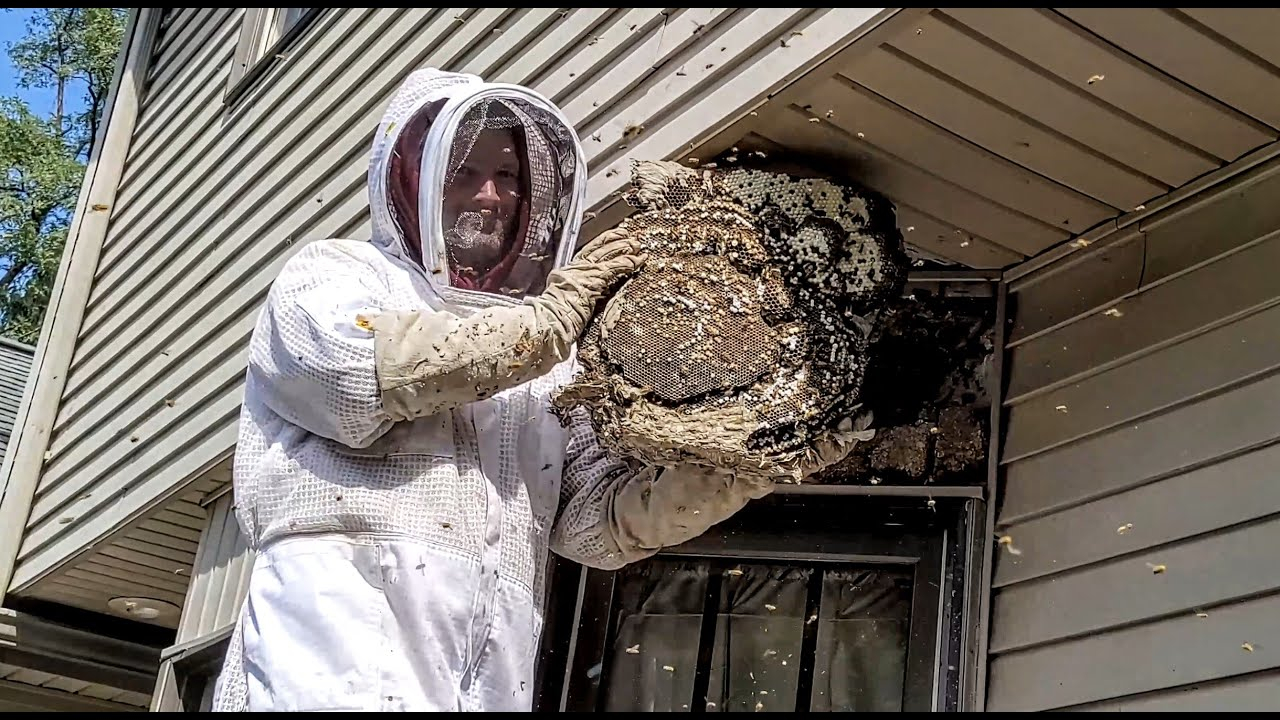
Understanding What You Are Seeing
A sudden concentration of bees around a property can be difficult to evaluate without knowing whether they are temporarily gathering or have established a colony. Their location, activity level, and proximity to occupied areas all matter. Taking time to understand the situation before disturbing the insects can help create a safer and more organized response.
Locating the Established Colony
Bee Removal and Relocation Services in Upland CA may begin with identifying where the colony is actually located. Visible bees may only represent part of the activity when a nest is inside a wall, attic, roof cavity, tree, or other protected space. Finding the nesting area allows the removal process to be planned around accessibility and surrounding property conditions.
Identifying the Species Correctly
Not every stinging insect should be handled in the same way. Honey bees, bumble bees, wasps, and other insects can differ considerably in behavior and nesting habits. Accurate identification can help determine an appropriate response. When a honey bee colony can be safely relocated, preserving the colony may be considered instead of immediately relying on chemical treatment.
Creating Distance From the Activity
People and pets should be kept away from areas where bees are concentrated until the situation has been properly assessed. This is particularly important when colonies are close to doors, walkways, patios, children's play areas, or frequently used rooms. Limiting unnecessary activity around the nest can reduce disturbance while providing a safer environment for inspection.
Evaluating How the Nest Can Be Reached
A colony in an open tree may be relatively accessible, while one inside a wall or roof can require more planning. The surrounding structure should be examined before work begins, including siding, insulation, roofing, wiring, vents, and other materials. Careful planning can help provide access to the colony while limiting unnecessary disturbance to the property.
Protecting Bees During Pest Management
Bee protection is an important consideration whenever pesticides are being evaluated. EPA guidance recommends practices that reduce pesticide exposure to bees and other pollinators, including appropriate application timing and following product-label requirements. Targeted treatment can also reduce unnecessary exposure to beneficial insects when chemical control is genuinely needed.
Addressing Broader Pest Concerns
Pest Control Services in Upland CA may be useful when bee activity exists alongside other pest issues or property conditions that encourage insects. A broader inspection can identify accessible openings, sheltered areas, moisture concerns, or other factors that may contribute to recurring activity. EPA recommends considering integrated pest management and choosing professionals experienced with IPM when assistance is needed.
Dealing With the Nest After Removal
Relocating the bees may not be the final step when a colony has occupied a building. Honeycomb, wax, honey, and other nesting materials can remain inside structural cavities. Depending on the location, leaving these materials behind may create additional maintenance concerns or attract other insects. The affected space should therefore be evaluated once the colony has been removed.
Sealing Future Entry Points
After confirming that the colony has been addressed, potential access points can be inspected and repaired where appropriate. Gaps around roof edges, vents, siding, eaves, and utility penetrations may provide opportunities for another colony to enter. Closing suitable openings can make the structure less attractive to future nesting without interfering with active colonies that have not yet been removed.
Using Chemical Treatments Responsibly
Chemical treatment should be approached carefully when bees are present. EPA advises using pesticides only when necessary, treating specific areas that require control, and following label instructions. Its guidance also identifies timing restrictions and other mitigation measures intended to reduce risks to pollinators. These precautions are especially relevant around flowering plants and areas where bees actively forage.
Checking for Continued Activity
Follow-up observation can help determine whether the original colony has been successfully handled. Persistent activity around a previous entrance could indicate that bees remain inside, another access point exists, or a separate colony is nearby. Checking the structure and surrounding landscape after removal provides an opportunity to identify unresolved issues before they become more difficult to manage.
Maintaining the Surrounding Property
Routine exterior maintenance can reduce potential nesting opportunities. Damaged screens, open vents, gaps in exterior materials, and sheltered cavities should be checked periodically. At the same time, ordinary bee activity around flowers and landscaping does not necessarily indicate a property problem. The focus should be on preventing colonies from establishing in locations where they could create safety or structural concerns.
Taking a Long-Term Approach
Responsible bee management requires attention to safety, property conditions, and pollinator protection. Inspection, careful removal, relocation when practical, nest cleanup, structural maintenance, and monitoring can form a complete management process. EPA's pollinator guidance emphasizes reducing unnecessary pesticide exposure and using best management practices, supporting a more targeted approach when pest control is required.
Categories
- Artificial Intelligence (AI)
- Technology
- Business
- Education
- Science
- Lifestyle
- Healthcare
- Entertainment
- Politics
- Environment
- Travel
- Finance
- Automobile
- News
- Art
- Causes
- Crafts
- career
- Dance
- Drinks
- Film
- Fitness
- Food
- Games
- Gardening
- Health
- Home
- Literature
- Music
- Networking
- Other
- Party
- Religion
- Shopping
- Sports
- Theater
- Wellness
Read More
Ceramic Inkjet Ink Market Report Overview The Ceramic Inkjet Ink Market report provides a comprehensive and analytically structured examination of the Ceramic Inkjet Ink market. Based on rigorous primary and secondary research methodologies, it evaluates competitive dynamics, technological advancements, regulatory environments, and evolving consumer expectations. The study delivers a...

The world of designer toys has experienced remarkable growth, and Labubu Doll Canada has become one of the most searched collectibles among enthusiasts. Across Canada, collectors are embracing the charm, creativity, and uniqueness of Labubu Doll figures, making them one of the most desirable vinyl collectibles available today. Whether we are seasoned collectors or newcomers discovering the...

Masturbation is a common part of sexual wellness and can be a way for adults to learn more about their bodies, preferences, and relaxation patterns. When approached comfortably and privately, it may help with stress relief, relaxation, and personal body awareness. This guide shares general male masturbation tips with a focus on comfort, hygiene, healthy habits, and understanding personal...

According to the latest report published by Data Bridge Market Research, the Aircraft Exterior Lighting Market CAGR Value The global aircraft exterior lighting market size was valued at USD 166.37 billion in 2024 and is expected to reach USD 247.68 billion by 2032, at a CAGR of 5.10% during the forecast period An all inclusive Aircraft...

The North America Facial Aesthetics Market is experiencing robust growth, driven by increasing demand for minimally invasive cosmetic procedures, rising consumer awareness of aesthetic treatments, and a growing aging population seeking facial rejuvenation solutions. The region benefits from advanced healthcare infrastructure, rapid adoption of innovative aesthetic technologies, and the presence...
