

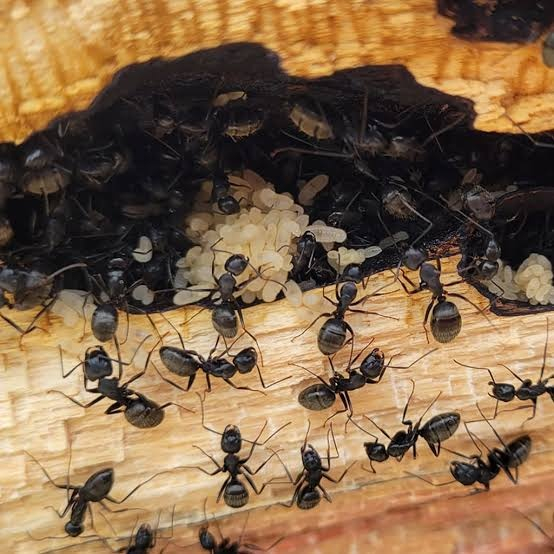

Pest control Pickering can help property owners understand how to identify common pests prevent infestations and choose suitable treatment methods. Mice rats insects and other pests can enter properties through small openings while searching for food water and shelter. Understanding the signs of pest activity can help you respond before the problem becomes more difficult to manage. Professional inspection can also help identify hidden activity and possible entry points around your property.
What Does Pest Control Pickering Involve
Pest control Pickering involves identifying unwanted pests and understanding the conditions that allow them to enter and remain around a property. Effective pest management can include inspection prevention treatment and follow up monitoring.
Different pests require different approaches. Mice can enter through surprisingly small openings and may hide inside walls attics and storage areas. Rats can use larger gaps and may create nests near food sources. Insects may enter through windows doors cracks and other openings.
Correct pest identification is important because treatment methods should be selected according to the pest and the conditions found at the property.
How To Identify Pest Problems In Pickering
Identifying pest activity early can make prevention and treatment easier. Regularly inspect areas where pests commonly enter hide or search for food.
Look for droppings damaged food packaging nesting materials unusual sounds odors nests and repeated sightings. Some pests may remain hidden for long periods, so indirect signs can be important.
What Signs Can Indicate Pest Activity
Different pests leave different evidence. Mice may leave small droppings, gnaw marks and nesting materials. Rats may leave larger droppings, damaged materials and signs of movement.
Insects can leave nests, shed skins, trails or visible insects around food and moisture sources.
Repeated signs in kitchens, basements, garages, attics or storage areas can indicate that further inspection may be useful.
Why Pests Enter Properties
Pests commonly enter properties in search of food, water, warmth and shelter.
Small gaps around doors, windows, foundations, utility lines and vents can provide access. Food waste, uncovered garbage and moisture can also create attractive conditions.
Reducing these conditions can make a property less suitable for many common pests.
How To Find Pest Entry Points
Start by inspecting the outside of the building. Check around doors, windows, foundation walls, vents and utility openings.
Look for gaps, cracks, damaged screens and spaces beneath doors. Also inspect areas where pipes and cables enter the building.
Sealing appropriate openings can help reduce potential access, although the correct repair method depends on the location and type of opening.
When To Schedule A Professional Inspection
Professional inspection can be useful when pest activity continues despite basic prevention efforts. It can also help when the type of pest is uncertain.
Repeated sightings, property damage, droppings or nesting evidence may indicate that professional assessment is appropriate.
An inspection can help identify where pests are entering and where they may be hiding.
How Pest Control Pickering Helps Prevent Infestations
Effective pest control Pickering involves more than removing pests that are already visible. Prevention can help reduce the conditions that allow pests to survive and reproduce.
Property owners can reduce pest risks by managing food, moisture, garbage, clutter and potential entry points.
What Food Sources Attract Pests
Food residue, uncovered food, pet food and improperly stored garbage can attract many pests.
Store food in suitable sealed containers and clean spills promptly. Keep garbage containers closed and clean areas where food is prepared.
These steps can reduce available food sources for insects and rodents.
Why Moisture Control Matters
Water can attract pests and create favorable conditions for some insects. Leaking pipes, dripping faucets, damp basements and standing water should be addressed.
Improve ventilation where appropriate and repair plumbing issues promptly.
Keeping areas dry can support broader pest prevention efforts.
How Outdoor Maintenance Can Help
Outdoor areas can provide food and shelter for pests. Keep garbage properly contained and remove unnecessary standing water.
Maintain vegetation around the building and inspect sheds, garages and other exterior structures.
Regular outdoor maintenance can help identify potential pest problems before they move indoors.
When To Reduce Clutter
Clutter can create hiding places for insects and rodents. Storage areas, basements, garages and attics should be kept reasonably organized.
Use suitable storage containers and avoid allowing unnecessary materials to accumulate around walls and corners.
A more organized property also makes it easier to inspect for pest activity.
How To Manage Mouse Problems In Pickering
Mice can enter buildings through small openings and may remain hidden behind walls, appliances, furniture and stored materials.
If you notice droppings, gnaw marks, scratching noises or nesting materials, inspect nearby areas carefully.
What Attracts Mice
Mice can be attracted by accessible food, water and shelter. Pet food, crumbs, garbage and stored food can provide convenient sources.
Keep food in sealed containers and clean areas where food is prepared or stored.
Reducing access to food can support other mouse prevention measures.
Why Mice Hide Inside Buildings
Indoor spaces can provide protection from weather and predators. Wall cavities, attics, basements and storage areas can offer suitable hiding places.
Mice may move between rooms through wall voids and other concealed areas.
This is one reason why seeing a mouse in one room does not necessarily mean that activity is limited to that location.
How To Find Mouse Entry Points
Inspect foundation areas, doors, windows, utility openings and other exterior locations for small gaps.
Pay particular attention to areas where pipes and wires enter the structure.
Appropriate exclusion work can help reduce future entry after active pest issues have been addressed.
When To Contact A Mouse Exterminator Toronto
If you are searching for a mouse exterminator toronto, look for information about inspection, pest identification, exclusion and prevention.
Although the keyword refers to Toronto, the same basic mouse management principles can be relevant to properties in Pickering and nearby communities.
Professional assistance can be useful when mouse activity continues, signs are widespread or entry points are difficult to identify.
What Is The Difference Between Mouse Control Toronto And Rat Removal Toronto
mouse control toronto and rat removal toronto both relate to rodent management, but mice and rats have different behaviors, sizes and nesting patterns.
A mouse can enter through a very small opening and may remain hidden inside walls, cabinets and other areas. Rats generally require larger access points and may create nests in attics, basements, outdoor areas or other protected locations.
The phrase rat removal toronto is commonly used for services focused on identifying and managing rat activity in Toronto.
Although these keywords are geographically focused on Toronto, rodent prevention principles can also be useful for property owners in Pickering.
What Is Different About Mice And Rats
Mice are smaller and can access narrow openings. Rats are larger and can cause different types of property damage.
Both rodents can contaminate food and leave droppings or nesting evidence.
Correct identification is important because the inspection and control strategy should reflect the species involved.
Why Rodent Identification Matters
Knowing whether you have mice or rats can help determine where to inspect and which prevention measures are appropriate.
An incorrect assumption may result in attention being focused on the wrong areas.
Professional identification can help clarify the type of rodent and possible sources of activity.
How To Reduce Rodent Entry
Seal suitable openings around the exterior of the property and maintain doors and windows properly.
Keep food securely stored and garbage containers closed. Remove unnecessary outdoor food sources and maintain storage areas.
Rodent prevention works best when access, food and shelter are addressed together.
When Professional Rodent Control Is Useful
Professional assistance can be helpful when rodents continue appearing despite basic prevention.
It may also be useful when there are signs of activity inside walls, ceilings or other inaccessible areas.
A professional inspection can help identify potential entry points and areas of activity.
How To Choose A Pest Control Service
Choosing a pest control provider involves understanding the pest problem and the service being offered.
Ask what pest has been identified, which areas were inspected and what treatment or prevention approach is recommended.
What Questions Should You Ask
Ask whether an inspection is included and what evidence was found. You can also ask what preparation is required and whether follow up monitoring is recommended.
Understanding the service before treatment can help property owners make informed decisions.
Why Professional Experience Matters
Different pests behave differently and require different management strategies.
A professional can help identify hiding areas and potential entry points that may not be obvious during a basic household inspection.
How To Prepare For Pest Treatment
Preparation depends on the pest and treatment method. You may need to secure food, remove clutter or provide access to specific areas.
Always follow the instructions provided by the pest control professional.
When Follow Up Treatment May Be Needed
Some pest problems require monitoring or additional service because pests may remain hidden after an initial treatment.
Follow up requirements depend on the pest, infestation level, property conditions and treatment method.
Frequently Asked Questions About Pest Control Pickering
What Is Pest Control Pickering
Pest control Pickering refers to pest prevention, inspection and management services designed to address unwanted insects rodents and other pests around Pickering properties.
How Can I Prevent Mice From Entering My Home
Seal suitable exterior openings, store food securely, keep garbage closed and reduce clutter around potential hiding areas.
What Are Common Signs Of Rats
Common signs can include droppings, gnaw marks, nesting materials, damaged food packaging and unusual sounds around walls or storage areas.
Can Pest Control Prevent Rodents Completely
Prevention can reduce the risk of rodent activity by addressing entry points, food and shelter. However, no prevention method can guarantee that rodents will never enter a property.
When Should I Contact A Pest Control Professional
Professional assistance may be useful when pest activity continues, signs appear in multiple areas or the source of the infestation cannot be identified.
What Is The Difference Between Mouse Control And Rat Removal
Mouse control focuses on mice and their behavior, while rat removal focuses on rat activity. Both require identification, inspection and appropriate prevention measures.
How Can I Keep Pests Out Of My Property
Maintain clean food storage, control moisture, manage garbage, reduce clutter and inspect the exterior for potential entry points.
How Long Does Pest Control Treatment Take
Treatment time varies depending on the pest, property size, infestation level and selected treatment method. Some situations may require follow up visits.
Final Verdict
Pest control Pickering is most effective when prevention, identification, inspection and appropriate treatment are considered together. Property owners can reduce pest risks by storing food correctly, managing moisture, keeping areas organized and addressing potential entry points.
Rodent problems deserve particular attention because mice and rats can remain hidden while leaving signs around kitchens, walls, attics, basements and storage areas. Searches such as mouse exterminator toronto, mouse control toronto and rat removal toronto can help property owners learn about rodent management, but the correct approach should always depend on the pest identified at the property.
When pest activity continues or becomes difficult to manage, professional inspection can help identify possible sources and determine suitable next steps.
For professional pest control information and assistance, contact Pestbye Pest Control Canada at 1915 Denmar Rd, Pickering, ON L1V 3E1. You can call (647) 244 4326 or email info@pestbye.ca for information about pest inspection, prevention and pest management services.

