Bilirubin Total Test: A Complete Guide to Understanding Your Results
Receiving a blood test report can be confusing, especially when a result is outside the laboratory's reference range. If your report includes a Bilirubin Total Test in Dubai, you may wonder what bilirubin means, whether your level is normal, and what a high or low result could indicate.
Bilirubin is a yellow substance produced when old red blood cells are broken down. The liver processes bilirubin and helps remove it from the body through bile. Because bilirubin levels can be affected by red blood cell breakdown, liver function, and bile flow, this test can provide useful clinical information.
This guide explains how to read a total bilirubin result, what the different bilirubin measurements mean, and when an abnormal result may require further evaluation.
Start With the Number: What Does Your Total Bilirubin Result Mean?
The first step is to look at the total bilirubin value on your laboratory report and compare it with the reference range provided by that laboratory.
For many adult laboratories, total bilirubin is commonly reported within a range of approximately 0.2 to 1.2 mg/dL, although reference intervals can differ according to the laboratory, testing method, and patient population.
Therefore, your laboratory's stated range should take priority over a general reference value.
A result outside the reference range does not automatically mean you have liver disease. Bilirubin levels must be interpreted in context, including your symptoms, medical history, other laboratory findings, and whether the increase involves direct or indirect bilirubin.
What Exactly Does a Total Bilirubin Test Measure?
Total bilirubin represents the overall amount of bilirubin in the blood. It generally reflects two forms:
-
Unconjugated bilirubin, also called indirect bilirubin
-
Conjugated bilirubin, also called direct bilirubin
These forms develop at different stages of bilirubin metabolism.
When old red blood cells are broken down, hemoglobin is processed and bilirubin is produced. The initial bilirubin is unconjugated and is transported to the liver. The liver converts it into conjugated bilirubin, which can be released into bile and eventually eliminated through the digestive system.
A bilirubin blood test can therefore provide clues about where a problem may be occurring.
Total, Direct, and Indirect Bilirubin: Why the Difference Matters
If your report includes more than one bilirubin measurement, the pattern can be more informative than the total value alone.
Total Bilirubin
This is the combined amount of bilirubin measured in the bloodstream.
Direct Bilirubin
Direct bilirubin mainly represents conjugated bilirubin, which has been processed by the liver.
Indirect Bilirubin
Indirect bilirubin mainly represents unconjugated bilirubin. It is often calculated from total and direct bilirubin rather than measured separately.
Doctors may examine the relationship between these values when investigating an elevated bilirubin level.
For example, predominantly indirect hyperbilirubinemia can have different causes from predominantly direct hyperbilirubinemia. The distinction can help guide further testing.
What Does a Normal Bilirubin Result Tell You?
A bilirubin result within the laboratory's reference interval generally means that the measured bilirubin level is not elevated at the time of testing.
However, a normal bilirubin level does not independently prove that every aspect of liver function is normal.
The liver performs many different functions, and bilirubin is only one part of a broader assessment. Other tests, including ALT, AST, alkaline phosphatase, albumin, and other laboratory markers, may be used when evaluating suspected liver or bile duct problems.
In other words, bilirubin should be viewed as one piece of the overall clinical picture.
What Does a High Bilirubin Result Mean?
An elevated total bilirubin level is known as hyperbilirubinemia.
There are several possible explanations, and the meaning depends partly on which type of bilirubin is increased.
Increased Red Blood Cell Breakdown
When red blood cells are broken down faster than usual, the body can produce more bilirubin than the liver can process efficiently.
Conditions involving increased red blood cell destruction, known as hemolysis, can therefore cause predominantly indirect bilirubin elevation.
Liver-Related Causes
The liver is responsible for processing bilirubin. Liver inflammation, injury, or certain liver diseases can interfere with normal bilirubin handling.
Bilirubin may therefore be elevated along with other abnormal liver function test results.
Problems With Bile Flow
After bilirubin is processed by the liver, it is transported through bile. Problems involving the gallbladder or bile ducts can interfere with this process.
Depending on the underlying condition, direct bilirubin may become elevated.
Inherited Conditions
Some inherited conditions affect how bilirubin is processed. Gilbert syndrome, for example, is a common and generally mild condition associated with intermittent increases in unconjugated bilirubin.
The presence of elevated bilirubin does not automatically identify the cause. Additional information is often needed.
What Symptoms Can Occur With High Bilirubin?
Bilirubin itself may not cause noticeable symptoms at mildly elevated levels. More significant accumulation can contribute to jaundice, which causes yellowing of the skin and whites of the eyes.
Other symptoms may include:
-
Dark urine
-
Pale or clay-colored stools
-
Itching
-
Abdominal discomfort
-
Nausea
-
Reduced appetite
-
Fatigue
-
Fever in some conditions
The combination of symptoms matters. For example, jaundice accompanied by severe abdominal pain or fever may require prompt medical evaluation.
Can You Have High Bilirubin Without Liver Disease?
Yes.
An elevated bilirubin level does not necessarily mean that the liver is damaged.
Gilbert syndrome is one example in which bilirubin can be elevated without significant liver injury. Increased red blood cell breakdown is another possible explanation.
This is why interpreting bilirubin in isolation can lead to unnecessary concern. Healthcare professionals consider the bilirubin pattern and other laboratory results before determining whether additional investigation is needed.
What Does a Low Bilirubin Result Mean?
A low total bilirubin level is generally not considered clinically concerning.
Unlike a significant bilirubin elevation, a low value usually does not point toward a specific medical condition. If other test results are normal and there are no concerning symptoms, a low bilirubin result commonly requires no specific treatment.
The laboratory's reference range and the overall clinical context should still be considered.
Why Would a Doctor Order a Bilirubin Total Test?
A bilirubin test may be ordered for several clinical reasons.
It can be part of an evaluation for:
-
Jaundice
-
Abnormal liver blood tests
-
Suspected liver disease
-
Gallbladder or bile duct problems
-
Certain blood disorders
-
Unexplained changes in urine or stool color
-
Monitoring an existing medical condition
Bilirubin testing is also commonly used when assessing newborn jaundice. In newborns, bilirubin interpretation is different from adult testing and depends on factors such as the baby's age and clinical condition.
How Is the Bilirubin Test Performed?
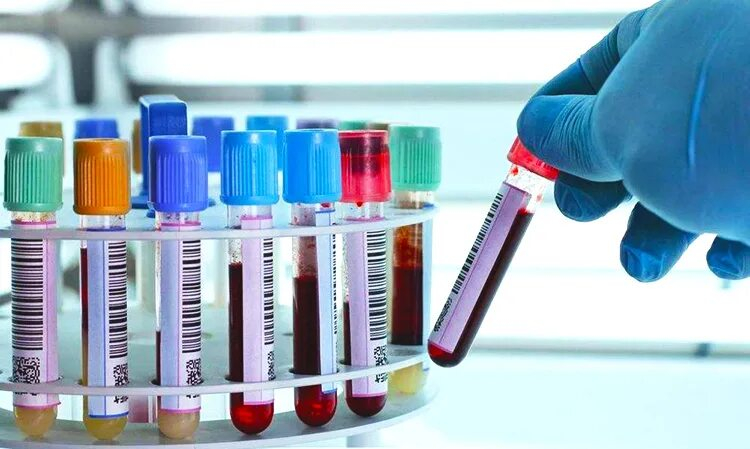
The test usually requires a small blood sample obtained from a vein.
A healthcare professional cleans the skin, inserts a needle into the vein, collects the blood into a tube, and sends the specimen to a laboratory.
The blood draw generally takes only a few minutes. Mild soreness or bruising can occur afterward.
Whether you need to fast depends on what other tests are being performed at the same time. Bilirubin testing alone does not always require fasting, so follow the preparation instructions provided by your healthcare professional.
How Doctors Read Bilirubin Alongside Other Tests?
A bilirubin result becomes more useful when considered alongside related laboratory findings.
Depending on the situation, your healthcare provider may review:
ALT and AST: These enzymes can provide information about liver cell injury.
Alkaline phosphatase: This may be useful when evaluating bile duct or cholestatic patterns.
Albumin: This provides information about a protein produced by the liver and can be relevant to broader liver assessment.
Complete blood count: This may help identify anemia or other blood-related findings when red blood cell breakdown is being considered.
Direct and indirect bilirubin: The distribution of bilirubin can help narrow possible causes.
No single result should be used to diagnose a liver disorder without appropriate clinical context.
What Can Temporarily Affect Bilirubin Levels?
Bilirubin values can fluctuate.
Factors that may influence levels in some people include fasting, dehydration, illness, strenuous physical stress, certain medications, and inherited differences in bilirubin metabolism.
A person with Gilbert syndrome, for example, may notice bilirubin fluctuations during periods of illness, fasting, or other physiological stress.
Because of this variability, an isolated result may not tell the complete story.
What Happens If Your Result Is Abnormal?
An abnormal bilirubin result does not automatically mean that treatment is required.
Your healthcare provider may first review your symptoms, medical history, medications, previous laboratory results, and the pattern of other blood tests.
Depending on the findings, further evaluation might include repeat blood testing, direct and indirect bilirubin measurements, blood tests for specific conditions, imaging, or other investigations.
The appropriate next step depends on the suspected cause rather than the bilirubin number alone.
When Should You Seek Medical Attention?
Contact a healthcare professional if you develop unexplained yellowing of the skin or eyes, particularly if it is persistent or accompanied by other symptoms.
More urgent assessment may be appropriate when jaundice occurs with severe abdominal pain, fever, confusion, persistent vomiting, or significant weakness.
For newborns, jaundice should be assessed according to pediatric guidance because very high bilirubin levels can require timely treatment.
Frequently Asked Questions:
Is a bilirubin total test the same as a liver function test?
No. Bilirubin is commonly included in liver evaluations, but it is only one component of liver-related testing. Other blood tests assess different aspects of liver and biliary function.
What bilirubin level is considered high?
The definition depends on the laboratory's reference range, the patient's age, and the clinical situation. A result above the laboratory's stated upper limit is generally considered elevated.
Does high bilirubin always cause jaundice?
No. Mild bilirubin elevation may occur without obvious yellowing of the skin or eyes. More substantial elevations are more likely to produce visible jaundice.
Can bilirubin levels return to normal?
Yes. Whether they return to normal depends on the underlying cause. Temporary elevations may resolve, while inherited or chronic conditions may cause recurring or persistent changes.
Can medications affect bilirubin?
Some medications can influence bilirubin metabolism, liver function, or bile flow. Always tell your healthcare provider about prescription medicines, over-the-counter products, and supplements you use.
The Bottom Line: How to Understand Your Bilirubin Report
A Bilirubin Total Lab tests measures the overall amount of bilirubin in your bloodstream and can provide valuable information when evaluating jaundice, liver-related conditions, bile flow problems, and certain blood disorders.
The most important point is that the bilirubin number should not be interpreted by itself. Your laboratory's reference range, direct and indirect bilirubin levels, other liver tests, symptoms, medical history, and previous results all help determine what the finding means.
A high bilirubin result is a laboratory finding rather than a diagnosis. If your result is outside the expected range, discussing the report with a qualified healthcare professional is the safest way to understand its significance and determine whether additional testing is appropriate.
Categories
- Artificial Intelligence (AI)
- Technology
- Business
- Education
- Science
- Lifestyle
- Healthcare
- Entertainment
- Politics
- Environment
- Travel
- Finance
- Automobile
- News
- Art
- Causes
- Crafts
- career
- Dance
- Drinks
- Film
- Fitness
- Food
- Games
- Gardening
- Health
- Home
- Literature
- Music
- Networking
- Other
- Party
- Religion
- Shopping
- Sports
- Theater
- Wellness
Read More
The India Diabetes Market is becoming an important segment of the healthcare industry as the prevalence of diabetes continues to increase and demand for effective disease-management solutions expands. The broader Diabetes Market was valued at USD 6.86 billion in 2024 and is projected to reach USD 13.77 billion by 2035, growing at a CAGR of 6.54% during 2025–2035. India represents an...

Social media is no longer just a platform for posting photos, videos, and company updates. In 2026, businesses are using social media to build trust, generate leads, understand customer behavior, and turn online attention into real revenue. But many businesses face the same problem: their social media pages get views and followers, but very few people actually become customers. The issue is...

The global Embedded Insurance Market is experiencing rapid growth as businesses increasingly integrate insurance products directly into customer purchase journeys. From e-commerce platforms and travel booking websites to fintech applications and digital marketplaces, embedded insurance is reshaping how consumers access protection products. According to M2Square Consultancy, the market...
Yoga classes in Nashville TN support relaxation, flexibility, mindfulness, and wellness through different yoga styles, routines, and community-based activities across the city. Introduction The interest in yoga classes in Nashville TN has steadily increased as more individuals focus on health, mindfulness, and balanced living. Yoga is widely recognized for combining physical movement, breathing...

According to Market Research Future®, the Dry Mix Mortar Market was valued at USD 24.21 billion in 2024 and is projected to grow from USD 25.36 billion in 2025 to USD 40.3 billion by 2035, registering a compound annual growth rate (CAGR) of 4.74% during the forecast period (2025–2035). Rising investments in residential construction, commercial real estate, transportation...