


Who Is a Good Candidate for PRP Hair Treatment?
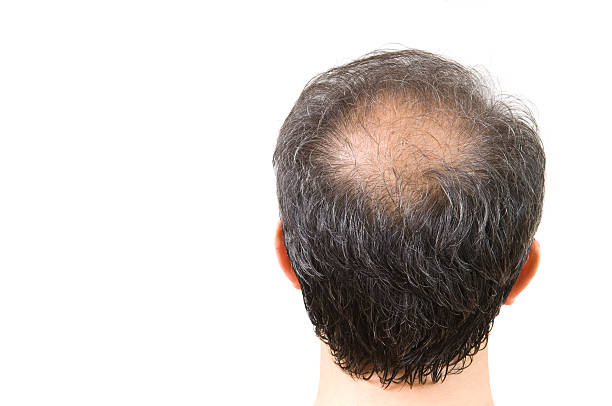
Hair thinning does not affect everyone in the same way, and the right treatment depends largely on why the hair is becoming thinner in the first place. PRP Hair Treatment in Riyadh may be considered by people who still have active hair follicles but are experiencing reduced density, increased shedding, or early-stage thinning. Because platelet-rich plasma works by supporting existing follicles rather than transplanting new ones, understanding your individual hair-loss pattern is an important first step.
Who May Be a Good Candidate for PRP?
A suitable candidate is generally someone with a type of hair loss where existing follicles may still respond to regenerative support. People noticing gradual thinning, reduced hair density, or early signs of hereditary hair loss may be evaluated for PRP. A consultation allows a specialist to examine the scalp, review the progression of hair loss, and determine whether the treatment matches the person's needs and expectations.
People With Early Hair Thinning
PRP may be considered when hair is becoming noticeably thinner but follicles are still present. Early intervention can be discussed when a person notices increased shedding, a widening part, reduced density around the crown, or gradual changes in the hairline. The condition of the follicles is more important than simply the amount of hair being lost.
Individuals With Pattern Hair Loss
Hereditary or pattern hair loss is one situation in which PRP may be evaluated as part of a broader hair-management plan. It commonly develops gradually and can affect both men and women. Since pattern hair loss can progress over time, identifying it early helps a specialist discuss appropriate treatment options.
People With Thinning Hair Rather Than Complete Baldness
PRP is generally intended to support existing follicles, so people with areas of thinning hair may be more suitable candidates than those with completely inactive or scarred areas. Where follicles are no longer viable, stimulating them with PRP may not produce the expected response. A professional scalp examination can help clarify this distinction.
What Makes Someone Suitable for PRP?
Several factors can influence candidacy. These include the cause of hair loss, the condition of the scalp, the presence of functioning follicles, general health, and realistic expectations. PRP Hair Treatment in Riyadh should be approached as an individualized treatment rather than a universal solution for every type of hair loss.
A Clearly Identifiable Hair-Loss Pattern
Understanding the reason behind hair loss is essential. Temporary shedding caused by stress or illness may require a different approach from hereditary thinning or certain scalp conditions. A clinician may ask about when the shedding started, whether it is progressing, and whether other family members have experienced similar hair loss.
Healthy Scalp and Hair Follicles
The scalp should be assessed for inflammation, infection, scarring, or other conditions that could affect treatment. PRP is intended to work around existing follicles, so the condition of the scalp and follicles can influence whether treatment is appropriate.
Realistic Expectations
PRP does not guarantee instant or complete hair restoration. Hair growth occurs gradually, and individual responses vary. A good candidate should understand that the purpose of treatment is to support existing hair follicles and potentially improve hair density and quality over time.
Who May Need Another Treatment Approach?
Not every person experiencing hair loss is an appropriate candidate for PRP. Advanced baldness with extensive loss of viable follicles may require discussion of other options. Likewise, sudden or unexplained hair loss should be medically evaluated before beginning a cosmetic treatment. Conditions involving significant scalp inflammation, infection, or scarring may also need to be addressed first.
Why a Hair Assessment Is Important
Hair loss can result from genetics, hormonal changes, nutritional deficiencies, stress, medications, medical conditions, or scalp disorders. Treating the visible symptom without identifying its cause may not address the underlying problem. During a consultation, a specialist can evaluate the scalp and hair pattern and discuss whether PRP is suitable or whether another treatment should be considered.
What Happens During the Consultation?
A consultation usually begins with questions about your hair-loss history and previous treatments. The scalp and areas of reduced density can then be examined to understand the pattern and extent of thinning. Based on these findings, the specialist can explain the potential benefits, limitations, treatment process, and expected progression of results.
Can Men and Women Have PRP?
Yes, both men and women may be evaluated for PRP when their type of hair loss is considered appropriate for the treatment. However, the causes and patterns of thinning can differ between individuals. PRP Hair Treatment in Riyadh can therefore be customized according to the patient's scalp condition, hair-loss pattern, and treatment objectives.
What Should You Discuss Before Treatment?
Before starting PRP, tell your provider about medications, supplements, allergies, bleeding or clotting concerns, scalp problems, previous hair treatments, and any recent changes in hair shedding. Providing complete information helps the clinician determine whether PRP is appropriate and whether any additional evaluation is necessary.
Book an Appointment at Royal Clinic Saudia
If you are noticing progressive thinning or increased hair shedding, PRP Hair Treatment in Riyadh can be discussed during a personalized consultation at Royal Clinic Saudia. A professional assessment can help identify the likely cause of your hair concerns and determine whether PRP is a suitable option for you.
FAQs:
Is PRP suitable for everyone with hair loss?
No. Suitability depends on the cause and pattern of hair loss, the condition of the scalp and follicles, and individual health factors. A professional assessment is recommended.
Can people with advanced baldness have PRP?
PRP primarily aims to support existing hair follicles. When an area has extensive loss of viable follicles, another treatment approach may be more appropriate.
Can women receive PRP for hair thinning?
Yes. Women experiencing certain types of hair thinning may be evaluated for PRP. The underlying cause should be identified before treatment.
Should I see a specialist before having PRP?
Yes. A specialist can assess your scalp and hair-loss pattern, identify possible contributing factors, and determine whether PRP is appropriate for your particular situation.
Categories
- Artificial Intelligence (AI)
- Technology
- Business
- Education
- Science
- Lifestyle
- Healthcare
- Entertainment
- Politics
- Environment
- Travel
- Finance
- Automobile
- News
- Art
- Causes
- Crafts
- career
- Dance
- Drinks
- Film
- Fitness
- Food
- Games
- Gardening
- Health
- Home
- Literature
- Music
- Networking
- Other
- Party
- Religion
- Shopping
- Sports
- Theater
- Wellness
Read More
The US Infusion Pumps Market is undergoing a significant transformation, with projections indicating a market size of approximately $9,300 million by 2035, reflecting a robust compound annual growth rate (CAGR) of 6.82%. This growth is driven primarily by technological advancements that enhance the functionality and precision of infusion pumps, ultimately leading to improved patient outcomes....

Behind every consumer product containing palm oil lies a complex logistics network that connects remote plantations to refineries, ports, and end‑user factories. Managing this network effectively is now a top priority for the entire sector, as inefficiencies, quality deterioration, and transparency gaps can erode profit margins and damage sustainability credentials. As per Market Research...
The Barbecue Sauce Market Size was valued at 3,370 USD Million in 2024. The Barbecue Sauce Market is expected to grow from 3,500 USD Million in 2025 to 5.1 USD Billion by 2035. The Barbecue Sauce Market CAGR (growth rate) is expected to be around 3.8% during the forecast period (2025 - 2035). This sustained growth trend is reflective of evolving consumer preferences, rising demand for...
According to a report by Intel Market Research, the global Pharma Grade Diethyl Malonate Market was valued at USD 608 million in 2025 and is estimated to reach USD 643 million in 2026, before growing to USD 1,007 million by 2034, representing a 5.8% CAGR during 2026-2034. The study places the market within its broader industrial value chain and examines the commercial factors that shape demand,...
Strontium Market Summary As per Market Research Future® analysis, the Strontium Market Size was projected to reach USD 0.9381 Billion by 2035, growing at a CAGR of 4.8% from 2025 to 2035. This growth will provide significant opportunities for the market during the forecast period, driven by increasing demand, technological...
